
Understanding Emergency First Aid in Public Incidents
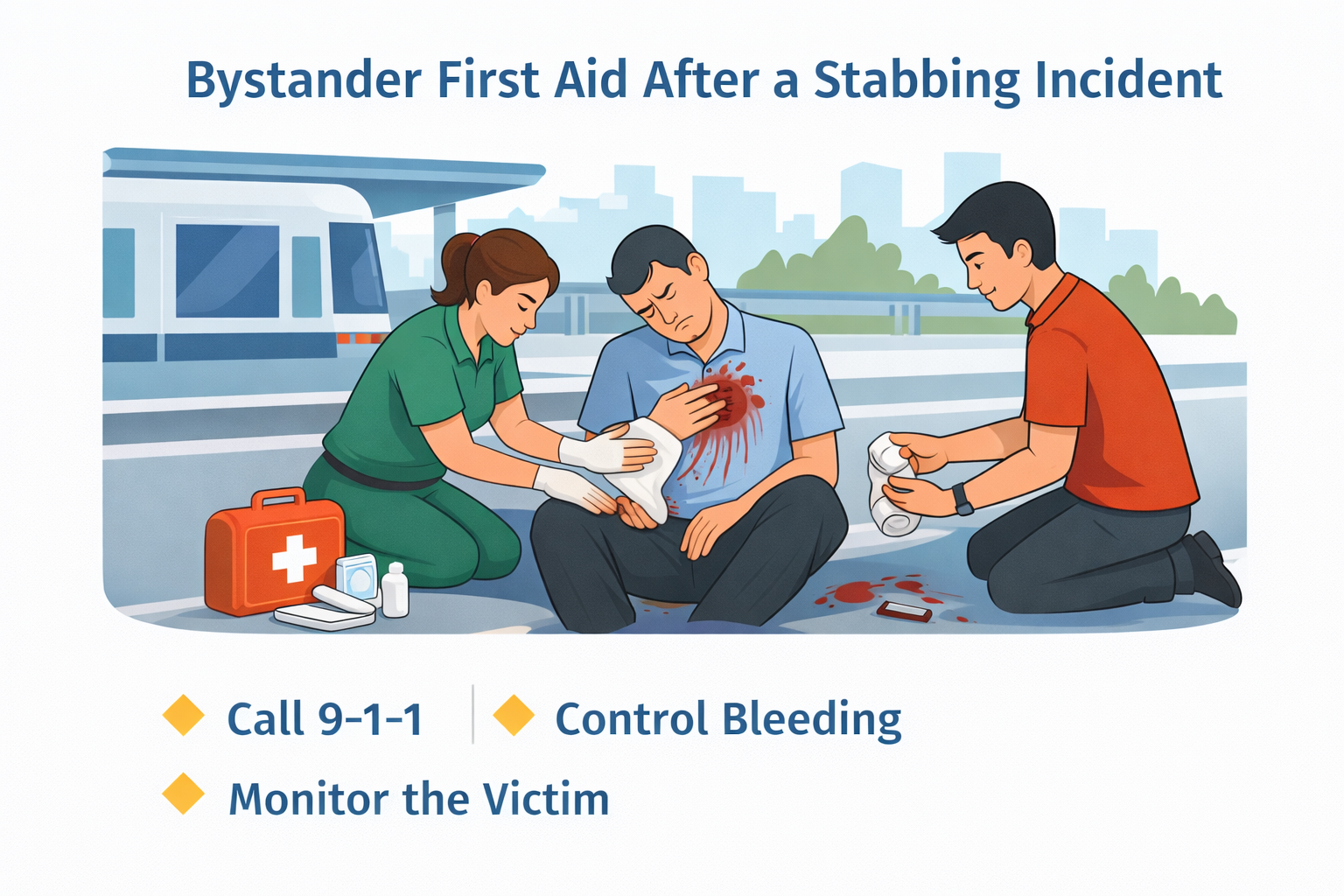 Emergency first aid refers to the immediate care given to someone who has been injured or suddenly become ill before professional medical responders arrive. In situations involving serious injuries such as stab wounds, early assistance from nearby individuals can help stabilize the injured person and support survival until paramedics take over.
Across Canada, including British Columbia and the Vancouver region, first aid and CPR training are encouraged in workplaces, schools, and public organizations. Incidents that occur in public places—such as transit stations, sidewalks, or workplaces—often rely on the quick actions of bystanders who understand basic emergency response principles.
First Aid and Workplace Relevance in Vancouver and British Columbia
Transit systems, public facilities, and workplaces in Vancouver and throughout British Columbia are busy environments where unexpected injuries can occur. Occupational health and safety practices often encourage staff members to complete first aid training so they can assist if an emergency happens nearby.
When individuals know how to respond calmly during emergencies—such as controlling bleeding or monitoring someone’s condition—they can help support a safer environment until emergency medical services arrive.
Scenario: Emergency Response on a Busy Train Platform
In one reported incident in Edmonton, a man was seriously injured during the morning rush hour on a light rail transit platform. Witnesses reported that the victim sustained several stab wounds to the chest during an attack.
According to reports, nearby bystanders quickly intervened. Some individuals helped move the attacker away from the victim while others focused on providing emergency first aid. Their actions included assisting the injured man and monitoring his condition while waiting for emergency responders.
Police later reported that the attack occurred at the South Campus light rail station and was followed by additional criminal incidents involving the suspect. The victim was transported to hospital for treatment.
Authorities later acknowledged the quick response of the bystanders, noting that their immediate assistance likely helped stabilize the victim during a critical period before paramedics arrived.
Signs of Serious Injury
Severe injuries involving penetrating wounds may present several visible signs that require urgent attention, including:
-
Significant bleeding
-
Difficulty breathing
-
Pale or clammy skin
-
Weakness or confusion
-
Loss of consciousness or reduced responsiveness
Recognizing these signs quickly can help bystanders understand that immediate emergency response is necessary.
Causes and Mechanisms of Severe Bleeding Injuries
Penetrating injuries such as stab wounds can damage tissues, blood vessels, and organs beneath the skin. These injuries may lead to:
-
Rapid blood loss
-
Reduced oxygen delivery to vital organs
-
Breathing complications if the chest is affected
-
Shock due to severe trauma
Emergency responders typically assess injuries carefully and transport the individual to hospital for further medical care.
First Aid and Emergency Management
In public emergencies involving serious injuries, the first priority is to ensure personal safety and alert emergency services. Bystanders who have first aid training may help support the injured person until paramedics arrive.
General first aid responses often focus on:
-
Calling emergency services immediately
-
Applying firm pressure to control visible bleeding
-
Keeping the injured person as still and calm as possible
-
Monitoring breathing and responsiveness
-
Reassuring the injured individual while waiting for professional care
Paramedics and medical professionals provide further assessment and treatment once they arrive on scene.
Prevention and Workplace Safety Considerations
Although violent incidents are unpredictable, many workplaces and public environments focus on preparedness and safety planning.
Helpful safety practices include:
-
Providing staff with first aid and CPR training
-
Maintaining clear emergency response procedures
-
Encouraging awareness of surroundings in public environments
-
Supporting workplace safety programs that emphasize emergency readiness
-
Ensuring employees understand how to contact emergency services
Prepared individuals can help create safer communities by responding effectively when unexpected events occur.
Frequently Asked Questions
Why is bystander first aid important during emergencies?
Bystanders are often the first people present when an injury occurs. Early assistance—such as controlling bleeding or monitoring breathing—can help stabilize the injured person until paramedics arrive.
Can first aid training help during incidents in public places like transit stations?
Yes. Emergencies can occur anywhere, including transit systems, workplaces, or community spaces. First aid knowledge helps individuals respond calmly and safely while waiting for professional medical responders.
What should someone do first if they witness a serious injury?
The first step is to ensure personal safety and call emergency services. Once help is on the way, trained individuals may assist the injured person using basic first aid principles.
Do workplaces in British Columbia encourage first aid training?
Many workplaces follow occupational health and safety guidelines that include trained first aid attendants and emergency response procedures.
Why do authorities sometimes acknowledge bystanders after emergencies?
Quick assistance from nearby individuals can support stabilization of injured people before paramedics arrive. Authorities often recognize these actions because early intervention can improve outcomes.
Educational Note
This article is intended for general public education about emergency awareness and the role of first aid during unexpected incidents. Learning first aid and CPR can help individuals respond more confidently in workplaces, communities, and public spaces.
About The Author

Mark Kascha
First Aid Instructor Trainer with 30+ years of experience in CPR, emergency response, and safety training across Canada.
👉 [View full credentials]🔗 View LinkedIn Profile
Last reviewed: March 2026