
Understanding Cardiac Arrest in Emergency Situations
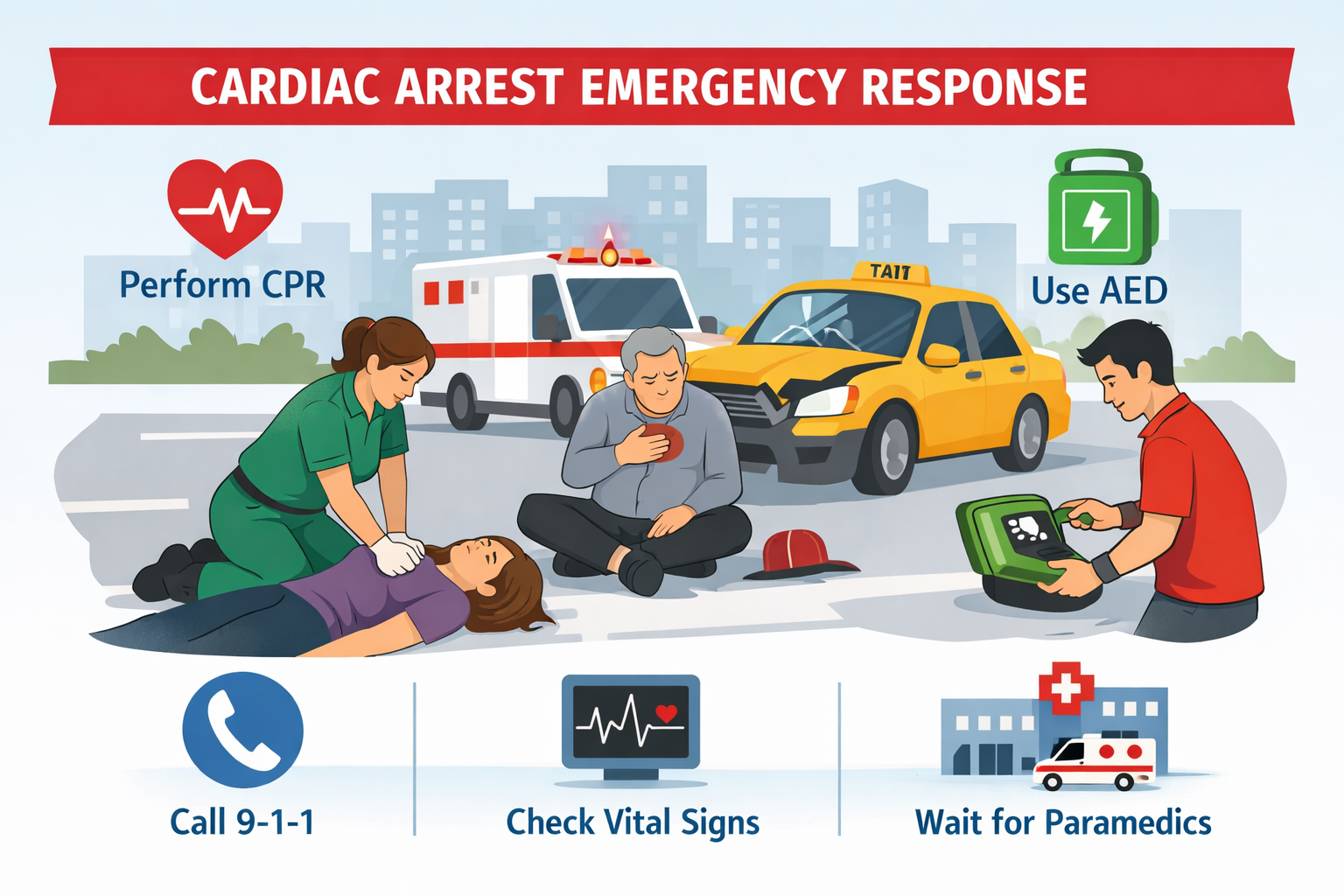 Cardiac arrest occurs when the heart suddenly stops pumping blood effectively, preventing oxygen from reaching the brain and other vital organs. Without immediate assistance, this condition can quickly become life-threatening. Learning how cardiac arrest happens and how bystanders can respond is an important part of public safety education.
In Canada, including British Columbia and the Vancouver area, first aid and CPR training are commonly encouraged in workplaces, community organizations, and public settings. Knowing how to recognize cardiac arrest and begin cardiopulmonary resuscitation (CPR) can help maintain circulation until professional medical responders arrive.
First Aid and Workplace Relevance in Vancouver and British Columbia
Public incidents such as traffic collisions can happen anywhere—including busy urban streets, workplaces, or public sidewalks. In cities like Vancouver, where pedestrians, cyclists, and vehicles frequently share roadways, emergency preparedness and CPR awareness can make a meaningful difference.
Many workplaces in British Columbia include first aid training and emergency response planning as part of occupational safety practices. Employees who understand CPR and basic emergency response can help stabilize someone experiencing cardiac arrest or severe injury while waiting for paramedics.
Scenario: A Sudden Street Emergency
In one reported incident, a woman in her 60s was standing on a sidewalk on Elgin Street when a taxi unexpectedly struck her during the morning hours. Emergency responders arrived shortly afterward.
Paramedics reported that the woman was found in cardiac arrest at the scene. Immediate resuscitation efforts began, including CPR and airway support. After continued emergency care, her heartbeat returned and she was transported to a hospital with serious injuries.
The driver of the taxi, a man in his 50s, was also taken to a healthcare facility due to a medical emergency that may have contributed to the collision. Emergency personnel assessed him using standard medical monitoring such as vital signs and heart rhythm checks. A passenger in the taxi experienced minor chest discomfort related to the seatbelt and was transported as a precaution.
Situations like this highlight how multiple people may require medical assessment during a single incident, and how rapid emergency response plays a critical role.
Symptoms of Cardiac Arrest
Cardiac arrest often occurs suddenly and may present with several noticeable signs, including:
-
Sudden collapse
-
Unresponsiveness
-
Absence of normal breathing or gasping breaths
-
Lack of detectable pulse
-
Skin becoming pale or bluish due to reduced oxygen circulation
These symptoms indicate a medical emergency requiring immediate assistance.
Possible Causes or Mechanisms
Cardiac arrest can occur for several reasons. In emergency incidents such as traffic collisions, contributing factors may include:
-
Pre-existing heart conditions affecting the driver or victim
-
Trauma from impact injuries
-
Sudden disruption of heart rhythm (arrhythmia)
-
Lack of oxygen to the heart or brain
-
Severe physical stress or shock
Emergency responders often perform assessments such as monitoring vital signs and reviewing heart rhythm patterns to better understand what may have happened.
First Aid and Emergency Management
When someone experiences cardiac arrest, rapid intervention is essential. In community settings, trained bystanders may assist until paramedics arrive.
General emergency response steps often include:
-
Calling emergency services immediately
-
Beginning CPR to help circulate oxygenated blood
-
Using an automated external defibrillator (AED) if available
-
Continuing resuscitation efforts until trained responders take over
Paramedics may also provide advanced airway management and additional medical support during transport to hospital.
Prevention and Workplace Safety Considerations
While some emergencies cannot be predicted, several safety practices can help reduce risks and improve response outcomes:
-
Encouraging employees to complete first aid and CPR training
-
Maintaining accessible automated external defibrillators (AEDs) in workplaces and public spaces
-
Supporting workplace health awareness programs
-
Promoting safe driving practices and regular medical checkups for drivers
-
Ensuring emergency response procedures are understood by staff
Preparedness helps individuals and workplaces respond calmly and effectively if an emergency occurs.
Frequently Asked Questions
What is the difference between cardiac arrest and a heart attack?
A heart attack occurs when blood flow to part of the heart muscle is blocked. Cardiac arrest happens when the heart suddenly stops beating effectively. A heart attack can sometimes trigger cardiac arrest, but they are different medical events.
Why is CPR important during cardiac arrest?
CPR helps circulate oxygenated blood to the brain and other organs when the heart is not pumping effectively. This can help maintain vital functions until advanced medical care is available.
Can cardiac arrest happen outside of hospitals or healthcare settings?
Yes. Cardiac arrest frequently occurs in public places, workplaces, homes, or community spaces. Because of this, bystander awareness and CPR training are widely encouraged.
Do workplaces in British Columbia require first aid training?
Many workplaces in British Columbia follow occupational health and safety requirements that include having trained first aid attendants and emergency procedures in place.
Why might paramedics check heart rhythm and vital signs after an incident?
Monitoring vital signs and heart rhythm can help emergency responders understand what may have caused the medical emergency and guide further treatment decisions.
Educational Note
This article is intended for general public education about emergency awareness, cardiac arrest recognition, and the importance of first aid and CPR training. Learning these skills can help individuals respond more confidently during unexpected emergencies in workplaces and community settings.
About The Author

Mark Kascha
First Aid Instructor Trainer with 30+ years of experience in CPR, emergency response, and safety training across Canada.
👉 [View full credentials]🔗 View LinkedIn Profile
Last reviewed: March 2026