Infant CPR Awareness: How First Aid Training Can Help Parents Respond to Emergencies
Understanding Breathing Emergencies in Infants
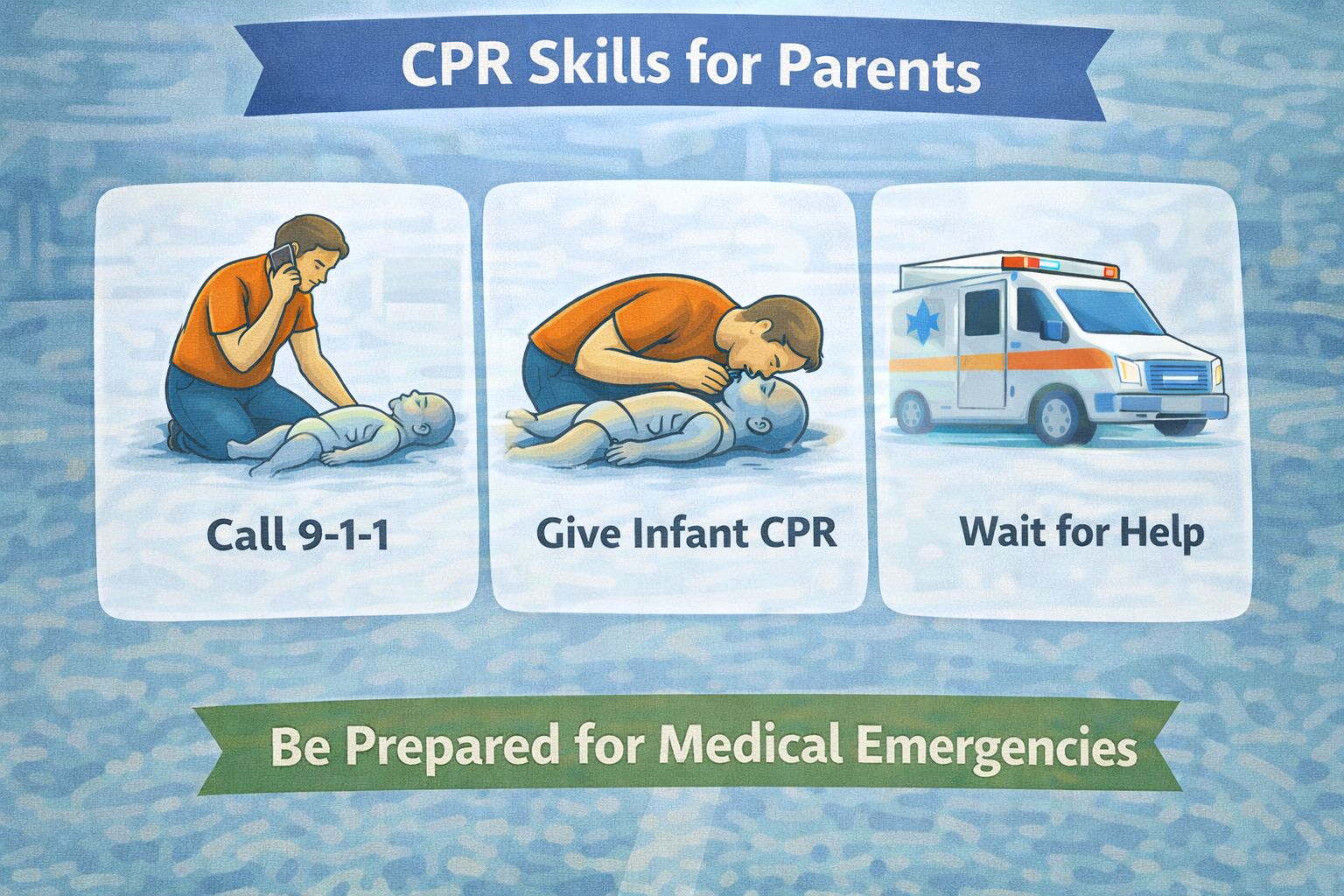 Infants can experience breathing difficulties for many reasons, including illness, airway obstruction, or sudden medical events. When a baby stops breathing or becomes unresponsive, immediate action is critical while emergency medical services are contacted.
Across Canada, including Vancouver and communities throughout British Columbia, many parents, caregivers, and childcare providers choose to complete infant first aid and CPR training. These courses help adults recognize emergencies and respond quickly while waiting for professional medical help.
First Aid and Workplace Safety Relevance in Vancouver and British Columbia
In Vancouver and throughout BC, first aid education is commonly encouraged not only in workplaces but also in family and childcare environments. Many childcare providers, teachers, and parents take CPR and first aid training so they feel prepared to respond if a child experiences a medical emergency.
Because infants and young children may not be able to communicate symptoms clearly, caregivers benefit from learning how to recognize breathing problems and other warning signs early.
Scenario: A Father Responds to a Breathing Emergency
In a reported incident on the Hebridean Island of Mull, a father used recently learned first aid skills when his eight-month-old son stopped breathing at home.
The father, Alec Brown, had recently completed a first aid workshop. When the unexpected emergency occurred, he quickly recognized that his child was not breathing and was turning blue.
Brown immediately called for an ambulance and began responding using the steps he had learned during training.
He checked the infant’s airway and ensured there was no obstruction. When the baby remained unresponsive, he began CPR while continuing to monitor his condition.
After a short time, the infant coughed, became sick, and then began crying—signs that breathing had returned.
Emergency services arrived about 20 minutes later, and the child was transported for further medical assessment. The infant was later airlifted to the Royal Hospital for Children in Glasgow, where he remained under observation for several days.
Medical professionals later suggested the episode may have been related to a viral illness. The child recovered and was able to return home.
Following the experience, the father encouraged other parents and caregivers to consider learning first aid and CPR skills, explaining that training helped him remain calm and respond quickly during the emergency.
Recognizing Signs of a Breathing Emergency in Infants
Breathing problems in infants can develop quickly and may require immediate attention. Warning signs can include:
-
Difficulty breathing or unusual breathing sounds
-
Bluish or pale skin colour
-
Lack of responsiveness
-
Weak crying or inability to cry
-
Sudden limpness or unusual stillness
When these symptoms occur, emergency services should be contacted immediately.
First Aid Awareness: Infant CPR
First aid courses that cover infant emergencies teach caregivers how to recognize when a baby is not breathing normally and how to respond while waiting for medical help.
Training often includes learning how to:
-
Call emergency services immediately
-
Check the infant’s airway and breathing
-
Begin CPR if the baby is unresponsive and not breathing normally
-
Continue providing assistance until emergency responders arrive
Because infants require different techniques than adults, specialized infant CPR training is recommended for caregivers.
Prevention and Preparedness for Families
Parents and caregivers can take several steps to improve emergency preparedness in the home.
Helpful safety measures may include:
-
Completing infant first aid and CPR training
-
Keeping emergency phone numbers easily accessible
-
Learning how to recognize choking or breathing difficulties
-
Ensuring caregivers and family members know basic emergency procedures
-
Discussing emergency plans with childcare providers or babysitters
Across Canadian communities, many organizations offer family-focused first aid courses designed specifically for parents and caregivers.
Frequently Asked Questions
Why is CPR training recommended for parents and caregivers?
Infants and young children can experience sudden medical emergencies. CPR training helps caregivers respond quickly and confidently while waiting for emergency services.
Are infant CPR techniques different from adult CPR?
Yes. Infant CPR uses different hand positioning and pressure compared with adult techniques, which is why specialized training is recommended.
What should a caregiver do if a baby stops breathing?
Emergency services should be contacted immediately. Caregivers trained in first aid may begin CPR if the infant is unresponsive and not breathing normally.
Why might an infant suddenly have breathing difficulties?
Breathing problems in infants may be related to illness, airway obstruction, or other medical conditions that require evaluation by healthcare professionals.
How can families prepare for medical emergencies at home?
Learning first aid and CPR, maintaining emergency contact information, and discussing response plans with caregivers can help families feel more prepared.
Educational Note
This article is intended for general first aid awareness and family emergency preparedness education. Medical emergencies involving infants require professional medical evaluation and care. Learning infant CPR and first aid awareness can help caregivers respond more confidently during unexpected situations.
About The Author

Mark Kascha
First Aid Instructor Trainer with 30+ years of experience in CPR, emergency response, and safety training across Canada.
Last reviewed: March 2026
 Support local, Canadian-owned businesses, with no connections to American corporations or partnerships.