CPR in Emergencies: Understanding Response Efforts in Unresponsive Individuals
Understanding CPR and Emergency Situations
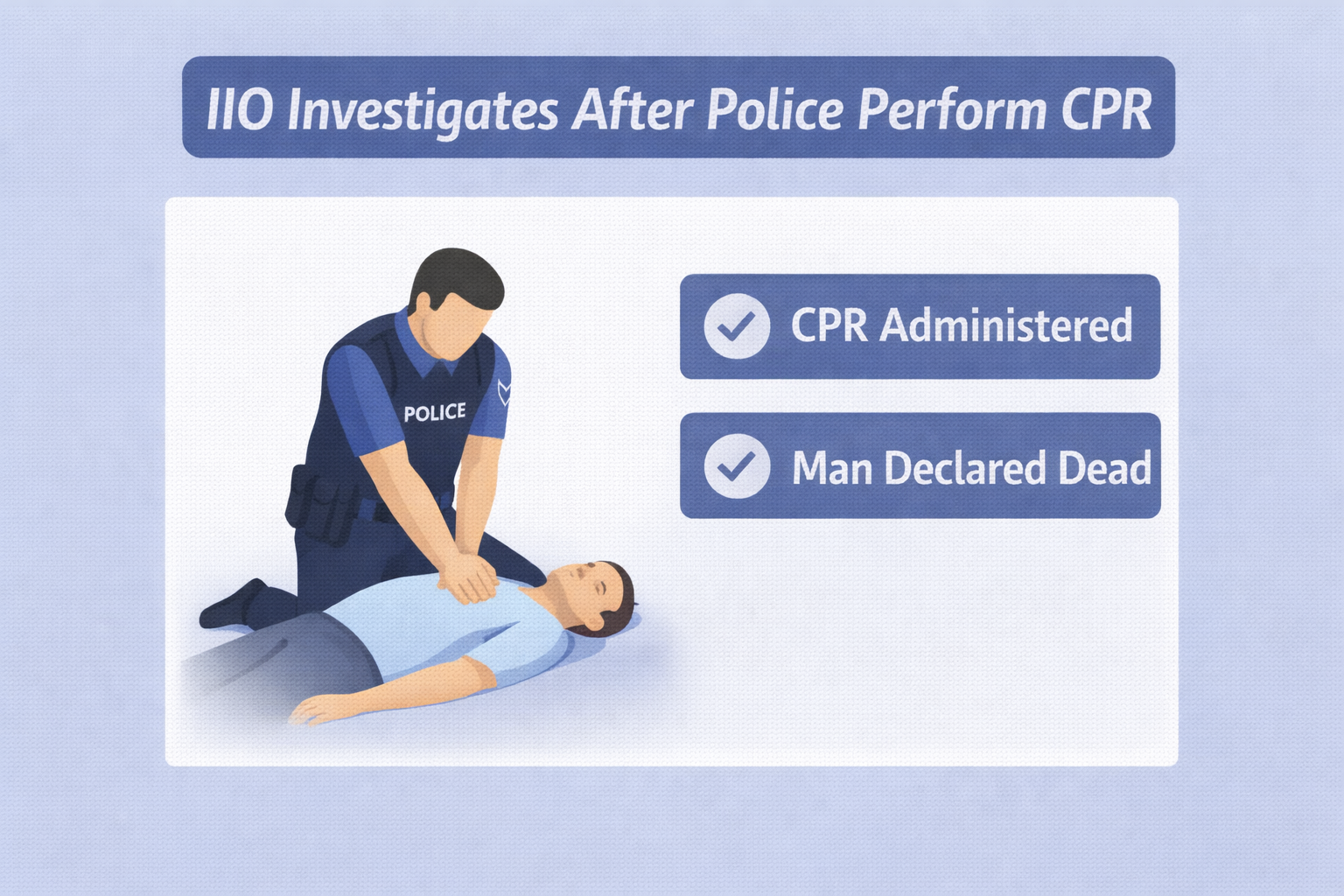 Cardiopulmonary resuscitation (CPR) is an emergency procedure used when a person is unresponsive and not breathing normally. It helps maintain blood flow to the brain and vital organs until advanced medical care arrives. CPR is a critical part of emergency response in situations such as cardiac arrest, trauma, or other serious medical events.
Even when CPR is performed promptly and correctly, outcomes can vary depending on the individual’s condition and the cause of the emergency.
First Aid & Workplace Relevance in Vancouver and the Lower Mainland
Across Abbotsford, Vancouver, Surrey, Burnaby, and the Lower Mainland, emergency situations can occur in workplaces, retail locations, and public spaces. Employees, security personnel, and bystanders are often the first to respond before paramedics arrive.
Having individuals trained in CPR and first aid helps ensure that immediate support is provided during critical moments, regardless of the setting.
A Realistic Scenario
At a busy commercial area in Abbotsford, a person collapses outside a storefront following a disturbance. Staff and nearby individuals quickly notice the situation. Someone calls 911 while another checks responsiveness and breathing. CPR is started right away and continued until emergency responders arrive and take over care.
This type of response demonstrates how bystanders and staff can play an important role in emergency situations.
Signs That CPR May Be Needed
CPR may be required if a person:
-
Is unresponsive
-
Is not breathing normally
-
Shows no signs of circulation
Recognizing these signs quickly allows for faster intervention.
Common Causes of Sudden Unresponsiveness
An individual may become unresponsive due to:
-
Cardiac arrest
-
Severe medical conditions
-
Trauma or injury
-
Breathing emergencies
The exact cause may not always be immediately known, but early action remains essential.
First Aid Response: When and How CPR Is Used
If someone is unresponsive and not breathing normally:
-
Call 911 immediately
-
Check breathing and responsiveness
-
Begin CPR (chest compressions) if trained
-
Continue CPR until emergency responders arrive
-
Use an AED if available and follow instructions
CPR helps maintain circulation while waiting for advanced medical care.
Understanding Outcomes and Emergency Response
In some cases, despite immediate and appropriate first aid, the person may not survive. This can depend on several factors, including:
-
The underlying cause of the emergency
-
How quickly help was initiated
-
The individual’s overall health
Emergency responders, including police, firefighters, and paramedics, are trained to provide CPR and coordinate care during these situations.
Prevention and Workplace Safety Considerations
To improve emergency readiness:
-
Provide CPR and first aid training to staff
-
Ensure clear emergency response procedures
-
Maintain access to AEDs where possible
-
Encourage awareness of emergency signs and response steps
Preparedness supports faster and more effective action in critical situations.
Frequently Asked Questions
When should CPR be started?
CPR should be started when a person is unresponsive and not breathing normally.
Can CPR be performed by someone without medical training?
Yes. Basic CPR training prepares individuals to provide assistance until professionals arrive.
Does CPR always save a life?
CPR improves the chances of survival, but outcomes can vary depending on the situation.
Who can perform CPR in an emergency?
Anyone who is trained—or guided by emergency dispatch—can provide CPR.
Why is early response important?
Early CPR helps maintain blood flow to the brain and vital organs, which is critical in the first few minutes.
Educational Note
This article is intended for general first aid awareness and workplace safety education in Canada. CPR training helps individuals respond more effectively and confidently during emergencies.
Serving the Vancouver Lower Mainland with the lowest priced, highest quality safety, CPR, food safe and first aid training since 2010.
 Support local, Canadian-owned businesses, with no connections to American corporations or partnerships.