CPR Response in Water Emergencies: Lessons from a Quarry Lake Incident
Understanding Drowning Emergencies and CPR
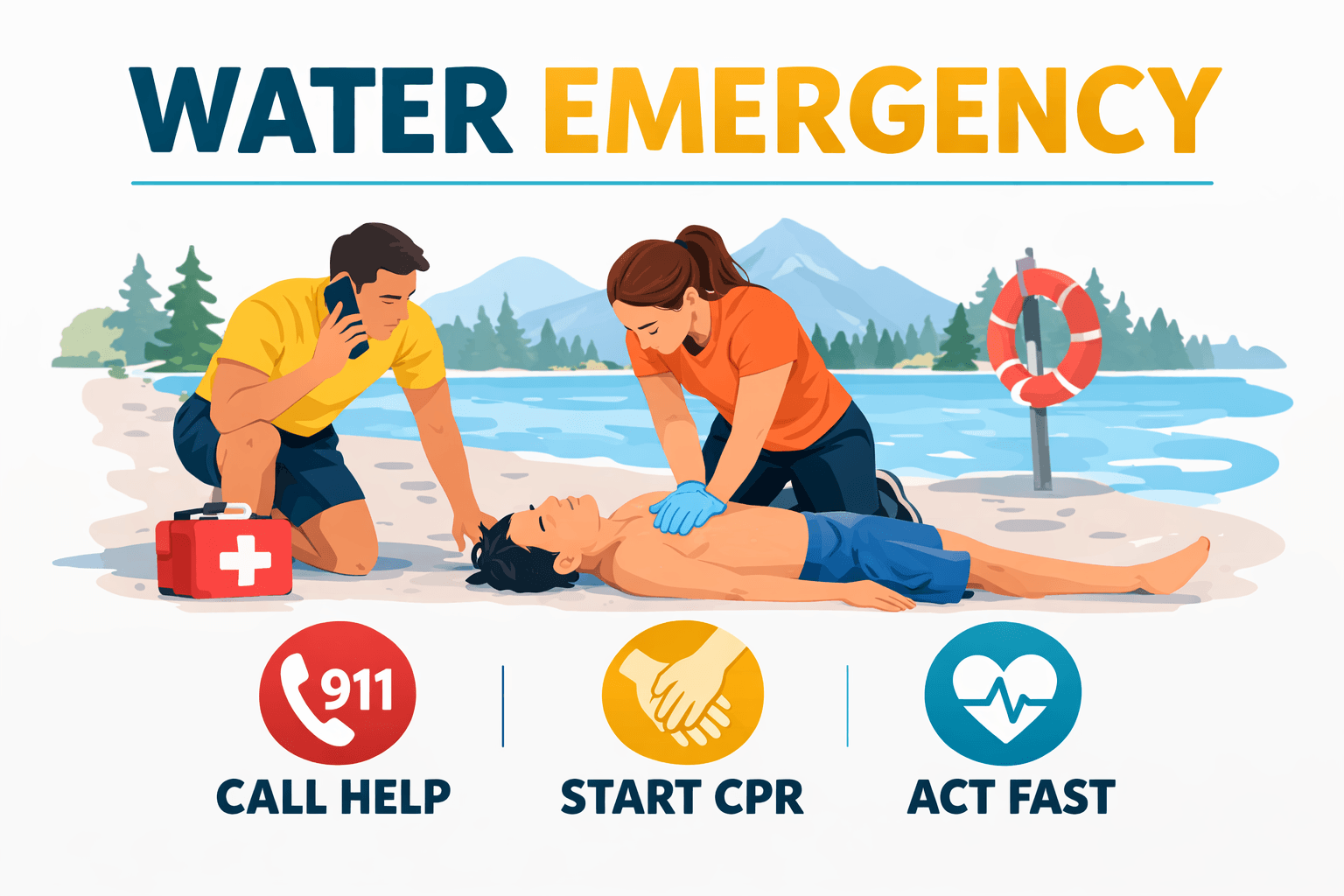 Drowning emergencies occur when a person experiences breathing difficulties after being submerged in water. Without immediate assistance, oxygen levels in the body can fall quickly, making rapid rescue and first aid response critical.
Across Canada, including Vancouver and British Columbia, CPR training is widely included in workplace safety programs and community first aid courses. These programs teach participants how to respond to breathing emergencies that may occur in environments such as pools, lakes, beaches, or recreational areas.
When someone becomes unresponsive after being rescued from water, CPR may be attempted while waiting for emergency medical services to arrive.
Water Safety in Canadian Recreational Areas
Many Canadians enjoy outdoor activities such as swimming, kayaking, and paddleboarding at lakes and rivers during warmer months. Public recreation areas often encourage visitors to follow safety guidelines and remain aware of water conditions.
First aid and CPR training programs often emphasize that water-related emergencies can develop quickly. Having individuals nearby who recognize distress signals and contact emergency services can help improve response times.
Preparedness and water safety awareness are important parts of outdoor recreation.
A Swimming Incident at Quarry Lake in Canmore
A tragic incident at Quarry Lake in Canmore involved a swimmer who experienced distress while in the water.
Kyu-Heon Sim, a 28-year-old supervisor at a Calgary retail store, had been spending his day off at the popular recreation area when emergency crews received calls reporting a swimmer in trouble.
Witnesses reported that the man called out for help before slipping beneath the surface of the water.
Rescuers and bystanders quickly responded, and Sim was pulled from the lake shortly afterward. When emergency medical services arrived, he was unresponsive and CPR was started.
Despite continued medical efforts and transport to hospital, he was later declared deceased.
Community members later described Sim as friendly and easygoing, remembering him as someone who was known for his positive attitude.
Recognizing Signs of a Water Emergency
A person experiencing distress in the water may show several warning signs, including:
-
Struggling to stay above water
-
Calling for help or waving arms
-
Sudden submersion beneath the surface
-
Weak or uncoordinated movements
-
Unresponsiveness after being removed from the water
Recognizing these signs quickly allows bystanders to alert lifeguards or emergency services and begin rescue efforts if it is safe to do so.
Why CPR May Be Used After Water Rescue
If a person becomes unresponsive after being removed from the water and is not breathing normally, CPR may be performed.
CPR helps maintain circulation of oxygen-rich blood to the brain and vital organs while emergency medical care is on the way.
Emergency response organizations across Canada emphasize that early CPR combined with rapid emergency response can improve survival outcomes in certain drowning emergencies.
Prevention and Water Safety Awareness
Communities and recreational facilities often promote several safety practices for swimming areas:
-
Swimming with companions whenever possible
-
Remaining within designated swimming zones
-
Paying attention to posted safety warnings
-
Supervising swimmers carefully in open water environments
-
Learning CPR and basic first aid skills
Prepared individuals may be better equipped to recognize emergencies and respond quickly.
Frequently Asked Questions
What should someone do if they see a swimmer in distress?
If it is safe to do so, alert lifeguards or emergency services immediately. Bystanders should avoid putting themselves in danger and seek assistance from trained responders when possible.
When might CPR be used in water emergencies?
CPR may be used when a person rescued from the water is unresponsive and not breathing normally.
Why is quick rescue important in drowning incidents?
Oxygen levels can decrease rapidly when breathing stops. Early rescue and emergency response can help reduce the risk of severe complications.
Are lakes and natural swimming areas riskier than pools?
Natural water environments may present additional hazards such as cold water, uneven terrain, or limited supervision compared to controlled pool environments.
Where can people learn CPR in Canada?
CPR training is widely available through workplace safety programs, community organizations, and certified first aid training providers across Canada.
Educational Note
This article is intended for general first aid awareness and public safety education. Learning CPR and first aid can help individuals better understand how to respond during emergencies while waiting for trained emergency medical services.
About The Author

Mark Kascha
First Aid Instructor Trainer with 30+ years of experience in CPR, emergency response, and safety training across Canada.
Last reviewed: March 2026
 Support local, Canadian-owned businesses, with no connections to American corporations or partnerships.