
 Drowning can occur quickly, especially in open water where currents, waves, or cold temperatures may make swimming more difficult. When a person becomes submerged and is unable to breathe, oxygen levels in the body can drop rapidly.
Cardiopulmonary resuscitation (CPR) is a first aid technique used when someone is unresponsive and not breathing normally. Across Canada, including Vancouver and British Columbia, CPR training is commonly taught through workplace safety programs and community first aid courses.
These programs help people recognize emergencies and understand how to respond while waiting for professional medical care.
Water Safety in Lakes and Open Water
Swimming in lakes and large bodies of water can present additional risks compared with controlled swimming environments. Strong currents, cold water, and distance from shore or safety equipment may increase the difficulty of returning to safety.
Public safety organizations often encourage individuals to:
-
Wear personal flotation devices when boating
-
Avoid swimming alone in open water
-
Be aware of water currents and changing conditions
-
Ensure someone nearby can assist in an emergency
-
Learn CPR and basic first aid skills
These precautions help reduce the risk of water-related emergencies.
A Drowning Incident in Lac St-Louis
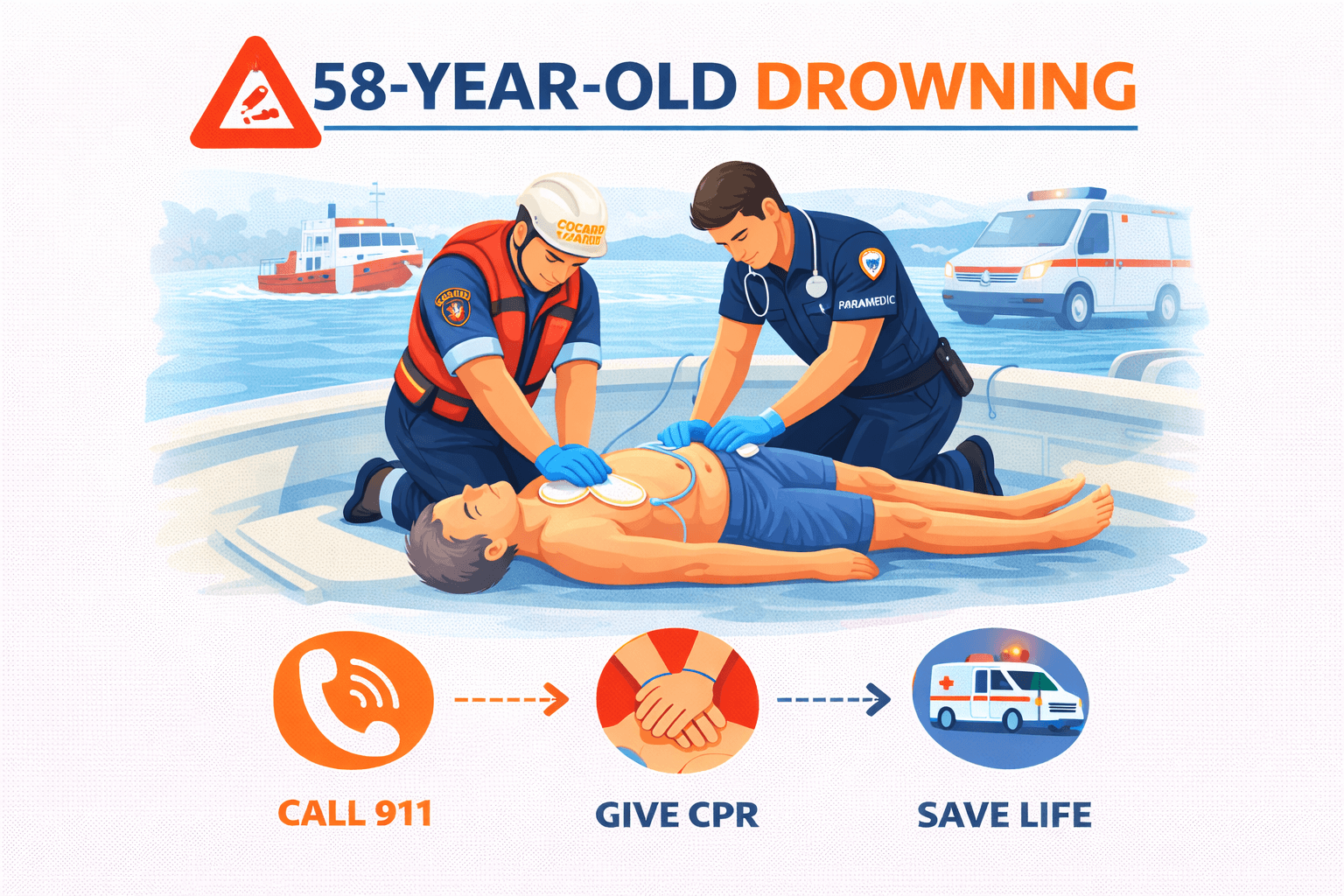
A tragic incident occurred in Lac St-Louis near Dorval involving a 58-year-old man who entered the water from his boat.
According to reports, the man went for a swim at approximately 5 p.m. while his boat was anchored. After entering the water, strong currents made it difficult for him to return to the boat’s ladder.
His son entered the water in an attempt to help him, but was unable to reach him safely.
Emergency services were called to the scene. Members of the Canadian Coast Guard and paramedics responded and located the man in the water.
First responders immediately began providing emergency care, including CPR. Despite these efforts, the man was later pronounced deceased after being transported to hospital.
The incident occurred at the beginning of National Drowning Prevention Week, which raises awareness about water safety across Canada.
Recognizing Signs of a Water Emergency
A person struggling in the water may not always be able to call for help. Warning signs may include:
-
Difficulty staying above the water surface
-
Weak or uncoordinated movements
-
Sudden disappearance below the surface
-
Unresponsiveness after being removed from the water
Recognizing these signs quickly allows bystanders to call emergency services and begin assistance if appropriate.
Why CPR May Be Used After Water Rescue
If a person removed from the water is unresponsive and not breathing normally, CPR may be performed while emergency services are on the way.
CPR helps maintain circulation of oxygen-rich blood to the brain and other vital organs during the critical early minutes of an emergency.
Emergency response organizations across Canada emphasize that early CPR and rapid emergency response can improve survival outcomes in certain drowning emergencies.
Prevention and Water Safety Awareness
Individuals who spend time boating or swimming in lakes can help reduce risks by following several safety practices:
-
Wearing life jackets or flotation devices
-
Avoiding swimming alone in open water
-
Monitoring water conditions such as currents and temperature
-
Keeping rescue equipment accessible on boats
-
Learning CPR and first aid skills
Prepared individuals may be better equipped to respond quickly during emergencies.
Frequently Asked Questions
Why can currents make swimming difficult in lakes?
Currents can move water quickly, making it harder for swimmers to return to boats, docks, or shore.
When might CPR be used after a drowning incident?
CPR may be performed when a person removed from the water is unresponsive and not breathing normally.
What is National Drowning Prevention Week?
National Drowning Prevention Week is a Canadian public awareness campaign focused on water safety education and drowning prevention.
Why are flotation devices recommended while boating?
Personal flotation devices help keep individuals afloat if they enter the water unexpectedly.
Where can people learn CPR in Canada?
CPR training is available through workplace safety providers, community organizations, and certified first aid training centres across Canada.
Educational Note
This article is intended for general first aid awareness and water safety education. Learning CPR and first aid can help individuals better understand how to respond during emergencies while waiting for trained emergency medical services.
About The Author

Mark Kascha
First Aid Instructor Trainer with 30+ years of experience in CPR, emergency response, and safety training across Canada.
👉 [View full credentials]🔗 View LinkedIn Profile
Last reviewed: March 2026