Understanding Emergency Response After Traffic Collisions
 Traffic collisions can result in serious injuries that require immediate medical attention. When accidents occur on busy highways, bystanders are often the first people at the scene before emergency responders arrive. Basic first aid actions—such as calling emergency services, providing reassurance to injured individuals, and beginning CPR when appropriate—can help support victims during the critical early moments of an emergency.
Across British Columbia and the Lower Mainland—including Vancouver, Richmond, Burnaby, and Abbotsford—first aid and CPR training are widely encouraged for workplaces and community members. Because accidents can occur on roads, worksites, or public spaces, trained bystanders may play an important role in early emergency response.
First Aid Awareness on BC Highways
Highways throughout British Columbia, including the Malahat Highway on Vancouver Island, are heavily travelled routes connecting communities. Accidents on these roads can involve multiple vehicles and require coordinated emergency response.
Public safety agencies often encourage drivers to understand basic first aid principles and to contact emergency services immediately if they witness a collision.
A Multi-Vehicle Collision on the Malahat
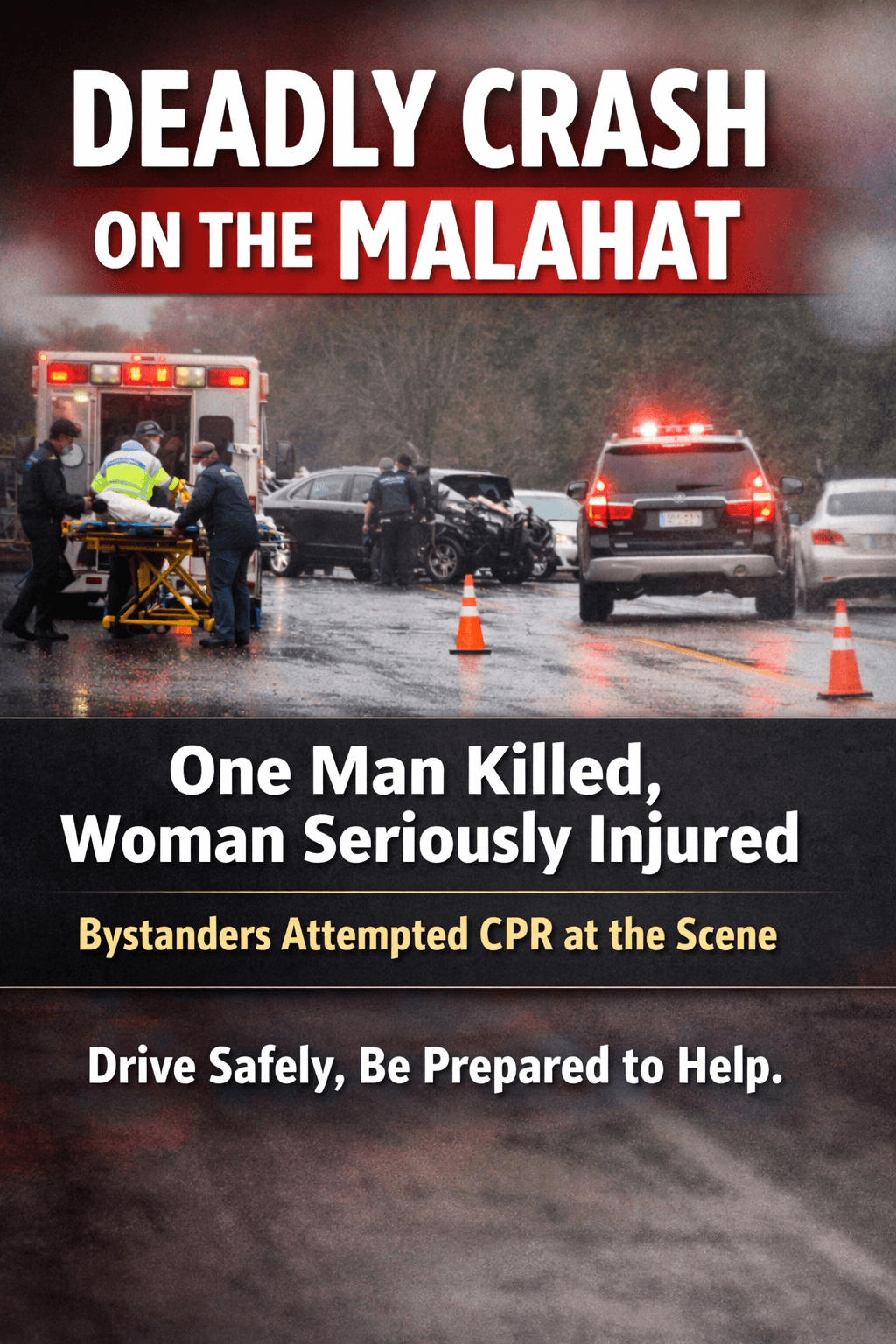
A serious three-vehicle collision occurred on the northbound lanes of the Malahat Highway near Aspen Road, shortly before 1:00 p.m. on a Saturday afternoon.
Emergency crews from British Columbia Emergency Health Services responded to the scene following reports of a major crash.
Authorities later confirmed that David James Tilley, age 46, died as a result of injuries sustained in the collision. A woman involved in the crash was transported to hospital in serious condition.
Bystanders Step In to Help
Several drivers who were travelling through the area stopped to assist before paramedics arrived.
One of those individuals was Lizy Gipson, who was driving toward Mill Bay with her partner when they encountered stopped traffic shortly after the crash occurred.
Gipson noticed debris scattered across the roadway and saw two damaged vehicles nearby. One vehicle had come to rest near a ditch with two occupants still inside.
Attempting First Aid at the Scene
When Gipson approached the vehicle, she saw that the driver had suffered severe injuries and was unresponsive. The passenger, identified as the driver’s wife, was conscious but injured.
Because the occupants could not safely be removed from the vehicle, Gipson began CPR on the driver while waiting for emergency responders. Three other bystanders soon joined her in the effort, taking turns assisting as they attempted to help the injured man.
Despite their efforts and the rapid arrival of emergency services, the man was later declared deceased at the scene.
Paramedics carefully removed the injured passenger and transported her to hospital for further treatment.
Road Conditions and Investigation
The collision occurred in a construction zone where the speed limit had been reduced to 60 km/h. Police later stated that the cause of the crash was still under investigation.
During the emergency response, sections of the Malahat Highway were temporarily closed to allow paramedics and investigators to work safely. The roadway was reopened later that day, although traffic delays were reported.
Why Bystander Assistance Matters
In many emergencies, people who witness an accident may be able to provide early assistance while waiting for professional responders.
First aid training programs often emphasize the importance of:
-
Calling emergency services immediately
-
Assessing the scene for safety
-
Providing reassurance to injured individuals
-
Beginning CPR if a person becomes unresponsive and stops breathing normally
Although outcomes cannot always be changed in severe incidents, bystander actions can help support victims until paramedics arrive.
Prevention and Safety Considerations for Drivers
Traffic safety experts encourage drivers to take several precautions to reduce the risk of collisions:
-
Following posted speed limits, especially in construction zones
-
Maintaining safe following distances
-
Remaining alert to changing road conditions
-
Reducing distractions while driving
Across Vancouver and the Lower Mainland, many workplaces encourage employees to learn CPR and first aid skills so they are prepared to assist during emergencies in public places.
Frequently Asked Questions
What should someone do if they witness a serious traffic collision?
First aid guidance generally recommends ensuring personal safety, calling emergency services immediately, and assisting injured individuals within the limits of your training.
Why might CPR be performed after a collision?
If a person becomes unresponsive and stops breathing normally after an accident, trained bystanders may begin CPR while waiting for paramedics.
Should injured people be moved after a crash?
In many cases, it is safer not to move injured individuals unless there is an immediate danger. Emergency responders are trained to safely remove people from vehicles.
Why are construction zones high-risk areas for collisions?
Construction zones often involve reduced speeds, lane changes, and equipment on the roadway, which can increase the risk of accidents if drivers are not attentive.
Where can people learn CPR in British Columbia?
CPR and first aid courses are offered by many training providers and community organizations across British Columbia.
Educational Note
This article is intended for general first aid awareness and public safety education. Participating in certified CPR and first aid training programs helps individuals learn how to recognize emergencies and respond safely.
About The Author

Mark Kascha
First Aid Instructor Trainer with 30+ years of experience in CPR, emergency response, and safety training across Canada.
Last reviewed: March 2026
 Support local, Canadian-owned businesses, with no connections to American corporations or partnerships.