Understanding Opioid Overdoses and Emergency Response
 Opioid overdoses remain a significant public health concern in many Canadian communities. Substances such as fentanyl and other synthetic opioids can slow or stop breathing, which can quickly become life-threatening without rapid intervention.
Across British Columbia and the Lower Mainland—including Vancouver, Burnaby, Surrey, and Richmond—public health agencies have expanded education about overdose response and the use of naloxone kits. These kits are designed to help temporarily reverse the effects of opioid overdoses while emergency medical services are on the way.
First Aid Awareness and Harm Reduction Programs
Many community organizations in British Columbia operate overdose prevention sites and harm reduction programs where trained staff and volunteers monitor individuals and respond to emergencies.
These programs focus on:
-
Recognizing the signs of opioid overdose
-
Calling emergency services when needed
-
Administering naloxone when appropriate
-
Providing breathing support until medical responders arrive
Training programs often help community members, friends, and family understand how to recognize an overdose and respond safely.
Overdose Incident in Vancouver
At an overdose prevention site operated by the Vancouver Area Network of Drug Users, a man in his early twenties became unresponsive while seated at a table.
Witnesses noticed the individual was slumped forward and appeared to be in medical distress. His skin had reportedly turned grey and blue—possible signs that breathing had slowed or stopped.
Immediate Response Using Naloxone
Kevin Yakes, who had previously completed naloxone response training, responded quickly when the emergency was noticed.
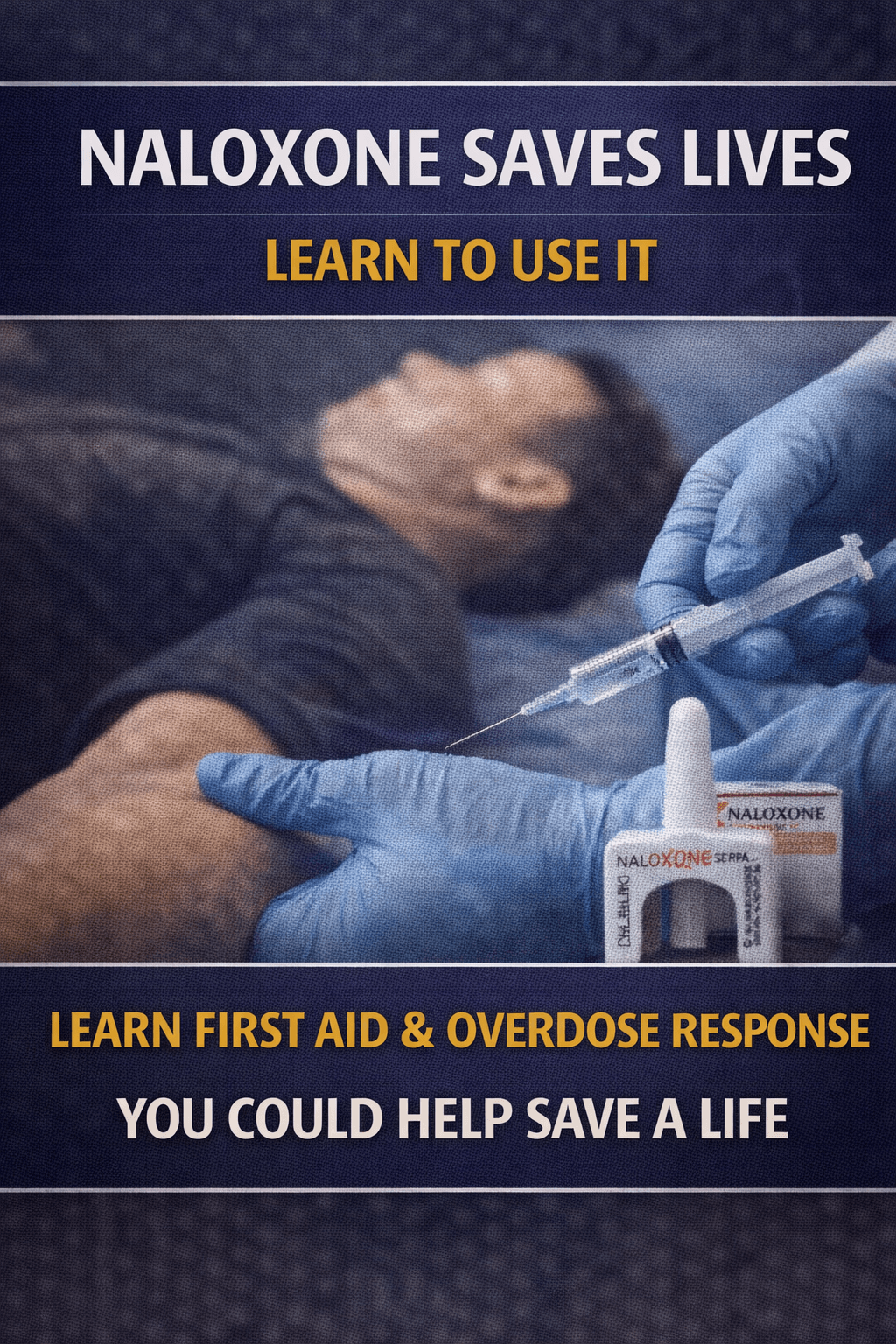
He administered two doses of naloxone, injecting the medication into the large muscle of the person’s arm while others called for additional assistance.
Naloxone is a medication designed to temporarily reverse the effects of opioids by blocking their impact on the brain’s receptors.
Why Naloxone Training Is Important
Public health officials in British Columbia encourage people who may encounter opioid overdoses—such as friends, family members, and community workers—to learn how naloxone kits work.
According to Dr. Aamir Bharmal, medical health officer with Fraser Health, simply having a naloxone kit is not enough. People should also become familiar with the instructions so they understand how to respond during an emergency.
Naloxone kits distributed in many parts of British Columbia typically contain:
-
Naloxone medication ampules
-
Syringes for injection
-
A breathing mask for rescue breaths
-
Step-by-step instruction materials
These supplies allow responders to assist someone experiencing an overdose until paramedics arrive.
Recognizing Possible Signs of Opioid Overdose
Public health training programs often teach people to watch for several warning signs that may indicate an overdose, including:
-
Slow or stopped breathing
-
Blue or grey lips or skin
-
Unresponsiveness or difficulty waking
-
Unusual snoring or choking sounds
If an overdose is suspected, emergency services should be contacted immediately.
Breathing Support During an Overdose
Because opioid overdoses can slow breathing, training programs may also emphasize the importance of supporting breathing while waiting for emergency responders.
Rescue breaths may be provided using the breathing mask included in naloxone kits. This helps supply oxygen to the body while naloxone begins to take effect.
Naloxone typically begins working within several minutes, although additional doses may sometimes be required before breathing improves.
Community Preparedness and Public Education
Across Vancouver and the Lower Mainland, health authorities continue to promote overdose awareness and emergency response education.
Programs often encourage:
-
Learning how to recognize an overdose
-
Carrying naloxone kits where appropriate
-
Calling emergency services during suspected overdoses
-
Receiving training on first aid and CPR
These public health efforts aim to improve safety and awareness throughout communities.
Frequently Asked Questions
What is naloxone?
Naloxone is a medication that can temporarily reverse the effects of opioid drugs by blocking their impact on the brain.
Why is naloxone used during an overdose?
Naloxone can help restore breathing when opioids slow or stop the body’s respiratory system.
Where can people obtain naloxone kits in British Columbia?
Naloxone kits are available through many pharmacies, health clinics, and community health programs in British Columbia.
Why is training recommended before using naloxone?
Training helps people recognize overdose symptoms and understand how to use the kit safely during an emergency.
Is first aid training helpful during overdose emergencies?
Yes. First aid and CPR training often include recognizing breathing emergencies and responding safely until professional help arrives.
Educational Note
This article is intended for general public education about first aid awareness and overdose response preparedness. Certified first aid and emergency response training programs provide practical instruction that helps individuals recognize emergencies and respond safely.
About The Author

Mark Kascha
First Aid Instructor Trainer with 30+ years of experience in CPR, emergency response, and safety training across Canada.
Last reviewed: March 2026
 Support local, Canadian-owned businesses, with no connections to American corporations or partnerships.