First Aid for Serious Bleeding: Bystanders Help Injured Man in Burnaby
Understanding Severe Bleeding Emergencies
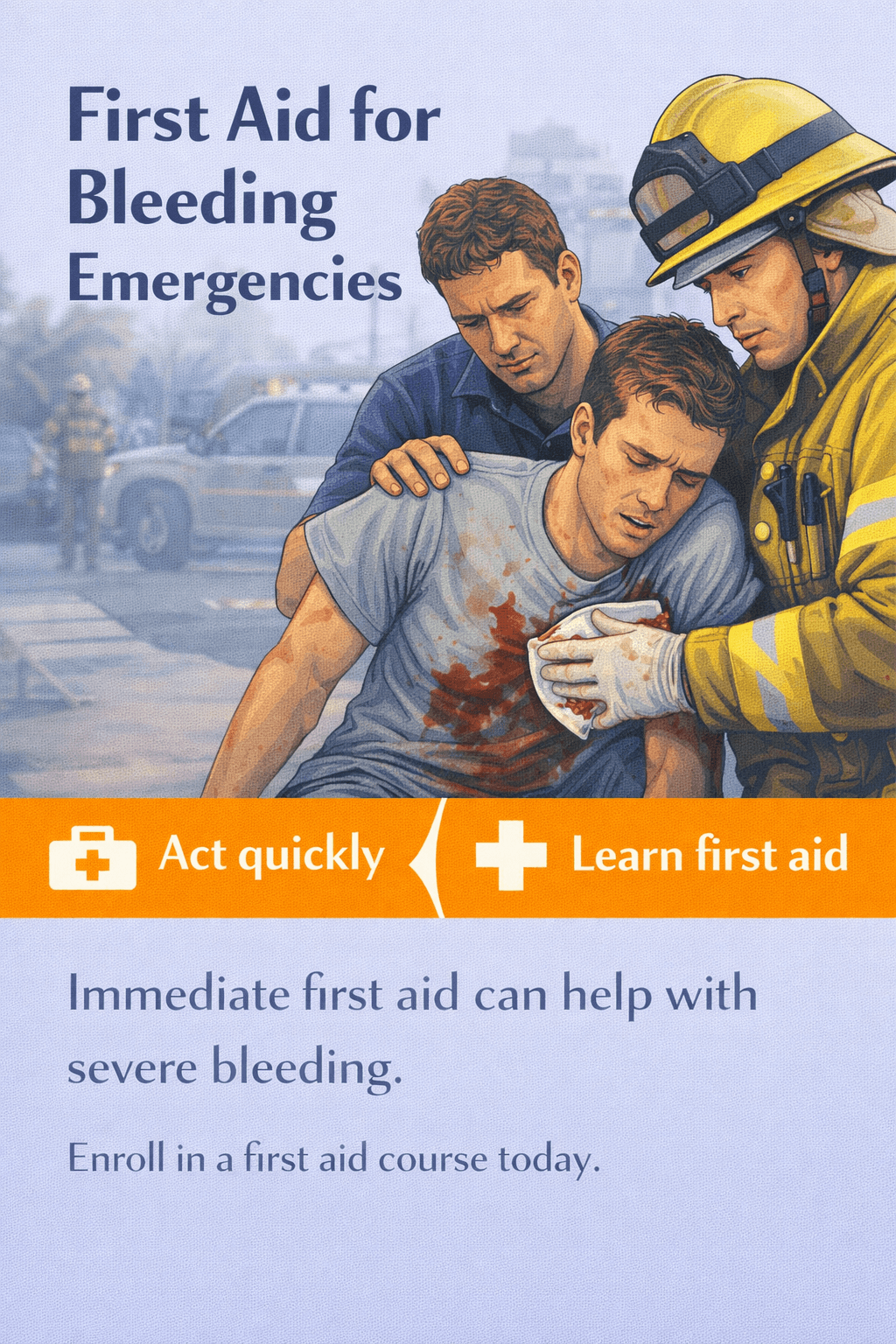 Severe bleeding can occur after traumatic injuries such as collisions, workplace incidents, or violent assaults. When blood loss is significant, immediate first aid is important to help stabilize the injured person until professional medical responders arrive.
Across Burnaby, Vancouver, Surrey, and the Lower Mainland of British Columbia, many public places such as transit stations, workplaces, and community areas see high daily activity. Because emergencies can occur unexpectedly, bystanders and trained responders often provide the first assistance while waiting for paramedics.
Learning how to respond to bleeding emergencies is an important part of first aid and workplace safety training in British Columbia.
First Aid Awareness in Busy Public Areas
Locations such as SkyTrain stations, shopping areas, and transportation hubs are often staffed with workers who have first aid training. However, in many situations, members of the public may also step forward to help an injured person before emergency services arrive.
Understanding how to recognize serious bleeding and provide basic assistance can help support an injured individual during those critical first moments.
Scenario: Emergency Response Near Royal Oak SkyTrain Station
A serious incident in Burnaby, British Columbia, highlighted how quick action from bystanders can help support someone who has been injured.
According to reports, an 18-year-old Surrey resident was attacked near the Royal Oak SkyTrain Station. After the assault, the injured individual managed to reach the busy transit area while seeking help.
Witnesses in the area noticed the young man was clearly injured and had visible bleeding. People nearby quickly stepped in to assist while emergency services were contacted.
Bystanders attempted to help the injured individual until firefighters and emergency responders arrived to provide first aid care. The injured man was later transported to a healthcare facility where he received treatment for injuries described as serious but not life-threatening.
Shortly after the stabbing incident, authorities responded to another emergency call involving a vehicle fire a short distance away. Witnesses reported flames and loud noises from exploding tires as the truck burned on a nearby road. Investigators later examined whether the two events were connected.
Recognizing Signs of Severe Bleeding
Severe bleeding can be life-threatening if not addressed quickly. Signs that someone may be experiencing serious blood loss can include:
-
Continuous or heavy bleeding from a wound
-
Blood soaking through clothing or bandages
-
Pale or clammy skin
-
Weakness, dizziness, or confusion
-
Rapid breathing or pulse
Recognizing these signs quickly can help prompt faster emergency response.
First Aid Response for Bleeding Emergencies
Individuals trained in first aid may take several steps when assisting someone with significant bleeding:
-
Calling emergency services immediately
-
Applying direct pressure to the wound using cloth, bandage, or other available materials
-
Encouraging the injured person to remain still
-
Helping keep the person calm while waiting for responders
-
Continuing pressure until trained emergency personnel arrive
These initial actions can help reduce blood loss and support the injured person until advanced medical care becomes available.
Prevention and Public Safety Considerations
While violent incidents are unpredictable, general safety awareness and preparedness can improve outcomes when emergencies occur. Helpful safety considerations include:
-
Encouraging first aid training in workplaces and community settings
-
Ensuring employees know how to contact emergency services quickly
-
Promoting awareness of how to assist safely during emergencies
-
Supporting public safety education programs
In busy areas such as Burnaby transit stations and Vancouver public spaces, prepared bystanders can play an important role in early emergency response.
Frequently Asked Questions
Why is severe bleeding considered a medical emergency?
Heavy blood loss can affect circulation and reduce oxygen delivery to vital organs. Immediate first aid helps support the injured person until medical professionals arrive.
Can bystanders safely help someone who is bleeding?
Bystanders can often help by calling emergency services and applying direct pressure to visible bleeding if it is safe to do so.
Why is direct pressure used during bleeding emergencies?
Direct pressure helps slow or stop the flow of blood from a wound and is a common first aid technique taught in bleeding control training.
Should workplaces provide first aid training for employees?
Many workplaces in British Columbia encourage or require first aid training so staff can respond to injuries that occur on-site.
What should someone do first when witnessing a serious injury?
The most important step is to contact emergency services so trained medical responders can reach the scene as quickly as possible.
Educational Note
This article is intended for general public education about first aid awareness and emergency preparedness. Learning recognized first aid skills can help individuals respond more confidently during situations involving injuries and bleeding.
About The Author

Mark Kascha
First Aid Instructor Trainer with 30+ years of experience in CPR, emergency response, and safety training across Canada.
Last reviewed: March 2026
 Support local, Canadian-owned businesses, with no connections to American corporations or partnerships.