
Understanding Avalanche Risks in Backcountry Areas
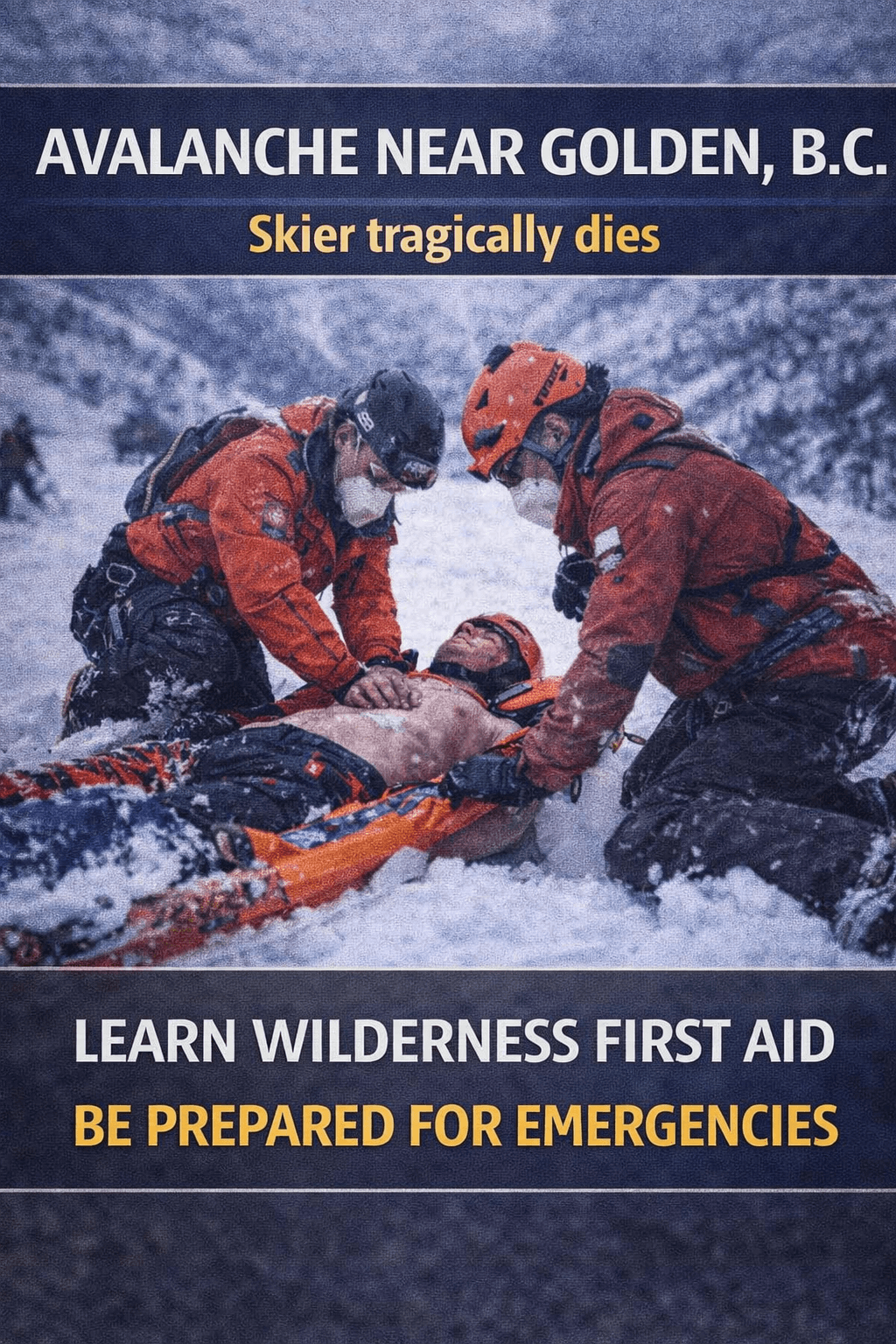 Avalanches are a natural hazard in mountainous regions during the winter season. When unstable layers of snow shift and slide down a slope, they can quickly carry people downhill or bury them under heavy snow. Injuries during avalanche incidents can occur from impacts with trees, rocks, or deep snow burial.
Across British Columbia and the Lower Mainland—including Vancouver, North Vancouver, Burnaby, and nearby mountain regions—many outdoor safety programs encourage wilderness first aid awareness. Because backcountry environments are often remote, quick assistance from companions or nearby bystanders may be critical while rescue teams travel to the scene.
First Aid Awareness for Outdoor Recreation
British Columbia’s backcountry attracts skiers, snowboarders, snowmobilers, and hikers throughout the winter months. While these activities offer unique outdoor experiences, they also require preparation and awareness of changing snow conditions.
Safety organizations often recommend that people exploring backcountry terrain prepare by:
-
Checking avalanche forecasts before heading out
-
Carrying avalanche safety equipment such as a beacon, probe, and shovel
-
Travelling with partners rather than alone
-
Bringing first aid supplies and emergency communication devices
-
Learning first aid and emergency response skills
Preparedness can help reduce risks when unexpected incidents occur.
Avalanche Incident Near Golden, British Columbia
A tragic avalanche incident occurred near Golden, British Columbia, involving a 36-year-old man who was caught in a backcountry avalanche.
Emergency responders transported the injured individual to a hospital in Calgary, Alberta, where he later died from injuries related to the avalanche.
Authorities confirmed that the BC Coroners Service would oversee the investigation while police continued assisting with the case.
Avalanche Conditions in British Columbia
Following the incident, the Ministry of Public Safety reminded backcountry users to exercise caution when travelling in mountainous areas.
Officials explained that multiple winter storms earlier in the season had created a complex and unstable snowpack, increasing the risk of both natural and human-triggered avalanches.
Changing weather patterns, snowfall, and wind can all contribute to unstable snow layers that may collapse under pressure.
The Role of First Aid in Remote Environments
During avalanche accidents or other backcountry emergencies, companions or nearby individuals may be the first to provide assistance.
First aid training often emphasizes several important actions in remote environments:
-
Assessing injuries and ensuring scene safety
-
Contacting rescue services as quickly as possible
-
Providing first aid within the limits of training
-
Monitoring the injured person while waiting for rescue teams
In wilderness settings, rescue operations can take longer due to terrain, weather conditions, and accessibility.
Preparing for Backcountry Travel
Outdoor safety experts encourage people visiting backcountry areas in British Columbia to plan carefully before heading into mountainous terrain.
Recommended safety preparations may include:
-
Checking avalanche forecasts and weather conditions
-
Carrying appropriate winter safety gear
-
Informing others about travel plans and expected return times
-
Travelling with experienced partners
-
Learning wilderness first aid and survival skills
Across Vancouver and the North Shore mountains, many outdoor recreation programs promote first aid and safety training for individuals exploring remote areas.
Frequently Asked Questions
What causes avalanches?
Avalanches occur when layers of snow become unstable and slide down a slope, often triggered by weather conditions, terrain features, or human activity.
Why are avalanches dangerous for outdoor recreationists?
Avalanches can bury individuals under heavy snow or push them into trees and rocks, leading to serious injuries.
What should someone do if they witness an avalanche accident?
Outdoor safety guidance generally recommends ensuring personal safety, calling emergency services, and assisting the injured person within the limits of your training.
Why is first aid training useful in wilderness environments?
Backcountry areas may be far from hospitals or rescue services, so basic first aid knowledge can help stabilize injuries until help arrives.
Where can people learn first aid for outdoor activities?
Many organizations in Canada offer first aid training, including courses designed specifically for wilderness or outdoor recreation environments.
Educational Note
This article is intended for general public education about first aid awareness and outdoor safety preparedness. Certified first aid training programs provide practical instruction that helps individuals recognize emergencies and respond safely.
About The Author

Mark Kascha
First Aid Instructor Trainer with 30+ years of experience in CPR, emergency response, and safety training across Canada.
👉 [View full credentials]🔗 View LinkedIn Profile
Last reviewed: March 2026