
A shooting incident in a small rural British Columbia community has drawn attention to the importance of emergency response readiness — even in remote areas.
While violent incidents are uncommon in most Canadian communities, emergencies can happen anywhere. Understanding basic first aid principles, including bleeding control and CPR, supports safer workplaces and communities across BC.
What Happened in Needles, BC
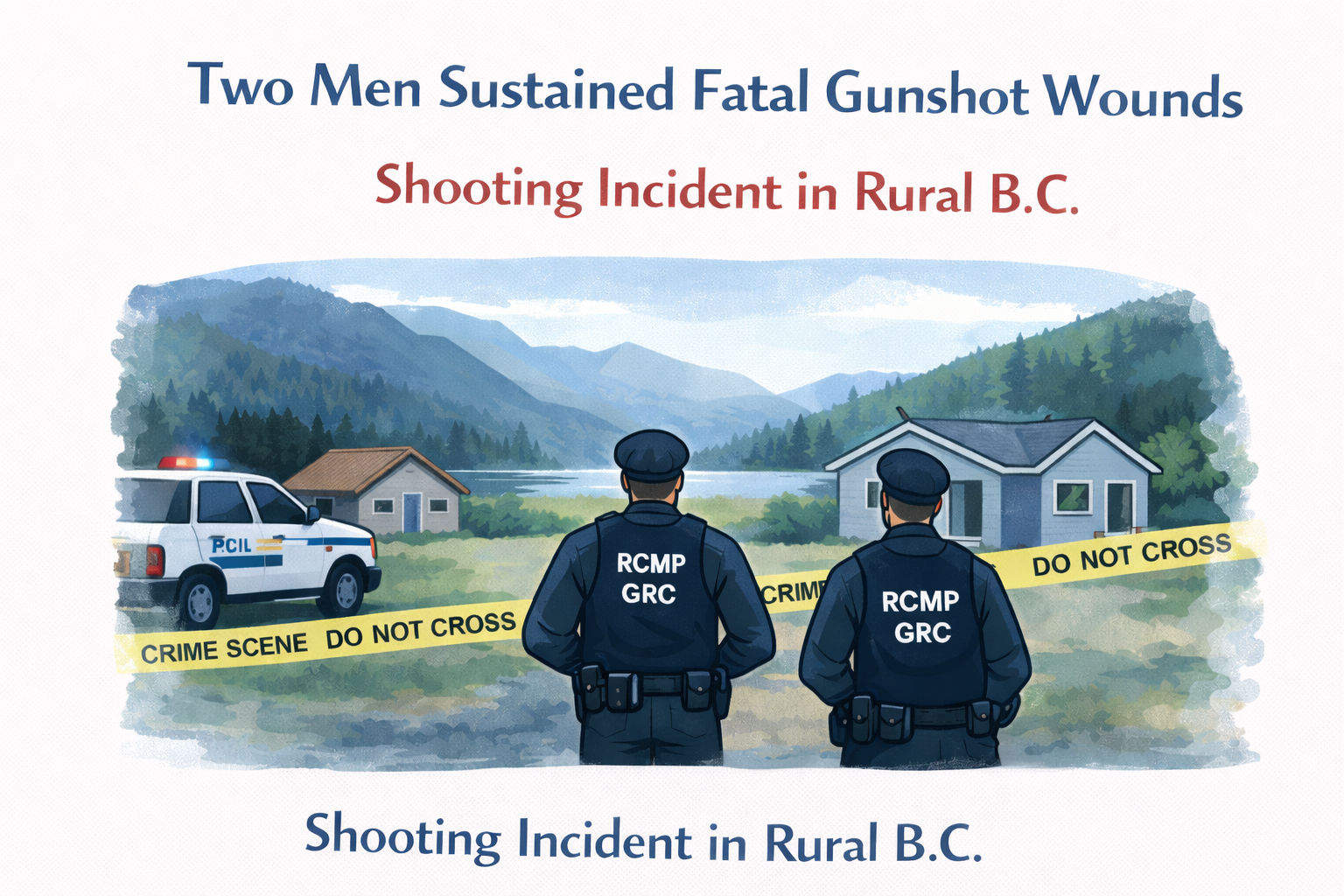 Police responded to reports of shots fired in the rural community of Needles, located on the west shore of the Arrow Lakes in British Columbia.
According to statements from the Nakusp RCMP, officers secured the scene and awaited the arrival of specialized emergency response personnel. Two men — aged 83 and 58 — were located deceased in separate residences.
The investigation was taken over by the RCMP Southeast District Major Crime Unit, with assistance from the BC Coroners Service.
Authorities indicated they were not actively searching for additional suspects at the time of reporting.
Emergency Response in Rural Communities
In rural regions of BC, emergency response times may be longer due to geographic distance and terrain.
For this reason, community awareness and preparedness are especially important. While first aid cannot change the outcome in every situation, rapid response can be critical in cases involving:
-
Severe bleeding
-
Cardiac arrest
-
Traumatic injuries
Recognizing Life-Threatening Bleeding
In situations involving traumatic injury, warning signs may include:
-
Heavy or uncontrolled bleeding
-
Unresponsiveness
-
Pale or cool skin
-
Weak or absent breathing
Scene safety is always the first priority. In any violent or potentially dangerous environment, do not approach unless it is safe to do so.
First Aid Response: Public Education Overview
If you encounter someone with severe bleeding and the scene is safe:
-
Call 9-1-1 immediately
-
Apply firm, direct pressure to visible bleeding
-
Maintain pressure until emergency responders arrive
-
Monitor breathing and responsiveness
-
Begin CPR only if the person becomes unresponsive and is not breathing normally
These steps form part of standard first aid and CPR training programs across Canada.
The Importance of First Aid Training in BC
Workplace and community first aid training prepares individuals to:
-
Stay calm under pressure
-
Activate emergency services quickly
-
Control bleeding
-
Provide CPR when required
-
Support responders upon arrival
In British Columbia, many industries require Occupational First Aid certification, including forestry, construction, transportation, and municipal services.
Even for those outside high-risk occupations, training provides valuable confidence and readiness.
Rural Safety Considerations
Residents in rural BC communities can enhance safety by:
-
Knowing exact home addresses and access routes
-
Ensuring emergency numbers are readily available
-
Maintaining stocked first aid kits
-
Participating in CPR and first aid certification
Preparedness supports faster, more coordinated emergency response.
Frequently Asked Questions
Should you approach a scene where violence has occurred?
Only if it is safe. Personal safety is always the first priority before providing assistance.
How do you control severe bleeding?
Apply firm, direct pressure to the wound and maintain it until professional help arrives.
When is CPR necessary?
CPR should begin if a person is unresponsive and not breathing normally.
Does first aid training guarantee survival?
No. Outcomes depend on many factors, but early intervention improves the chance of survival in many emergencies.
Is first aid training useful in small communities?
Yes. In rural areas where emergency response times may be longer, first aid knowledge can be especially valuable.
Educational Note
This article is intended for general first aid awareness and community safety education in British Columbia. Formal first aid and CPR training equips individuals with the knowledge and confidence to respond appropriately during emergencies while waiting for professional medical services.
About The Author

Mark Kascha
First Aid Instructor Trainer with 30+ years of experience in CPR, emergency response, and safety training across Canada.
👉 [View full credentials]🔗 View LinkedIn Profile
Last reviewed: March 2026