 Cardiopulmonary resuscitation (CPR) is a first aid technique used when someone has stopped breathing or their heart is no longer effectively circulating blood. The goal of CPR is to maintain blood flow to the brain and vital organs until emergency medical services arrive.
Across Canada, including Vancouver and throughout British Columbia, CPR training is widely taught in workplace first aid programs and community safety courses. Learning CPR helps people respond quickly during unexpected emergencies in workplaces, public spaces, and community events.
Public gatherings, festivals, protests, and other large outdoor events can bring many people together in temporary environments where access to medical assistance may take time. In these situations, having individuals who understand basic first aid response can be particularly valuable.
Public Safety Considerations in Vancouver Gatherings
Vancouver regularly hosts large public events in parks, plazas, and downtown spaces. These gatherings often involve temporary structures, tents, cooking equipment, or extended overnight stays.
Local authorities and fire officials sometimes provide safety guidance for such gatherings to help reduce potential hazards. These may include recommendations about fire safety, fuel storage, and maintaining clear emergency access routes for ambulances and firefighters.
In environments where large groups gather, emergency preparedness—including CPR awareness—can help improve the initial response when medical incidents occur.
A Real Incident at the Occupy Vancouver Encampment
During the Occupy Vancouver protests outside the Vancouver Art Gallery, a tragic medical incident highlighted the challenges of managing safety in temporary tent communities.
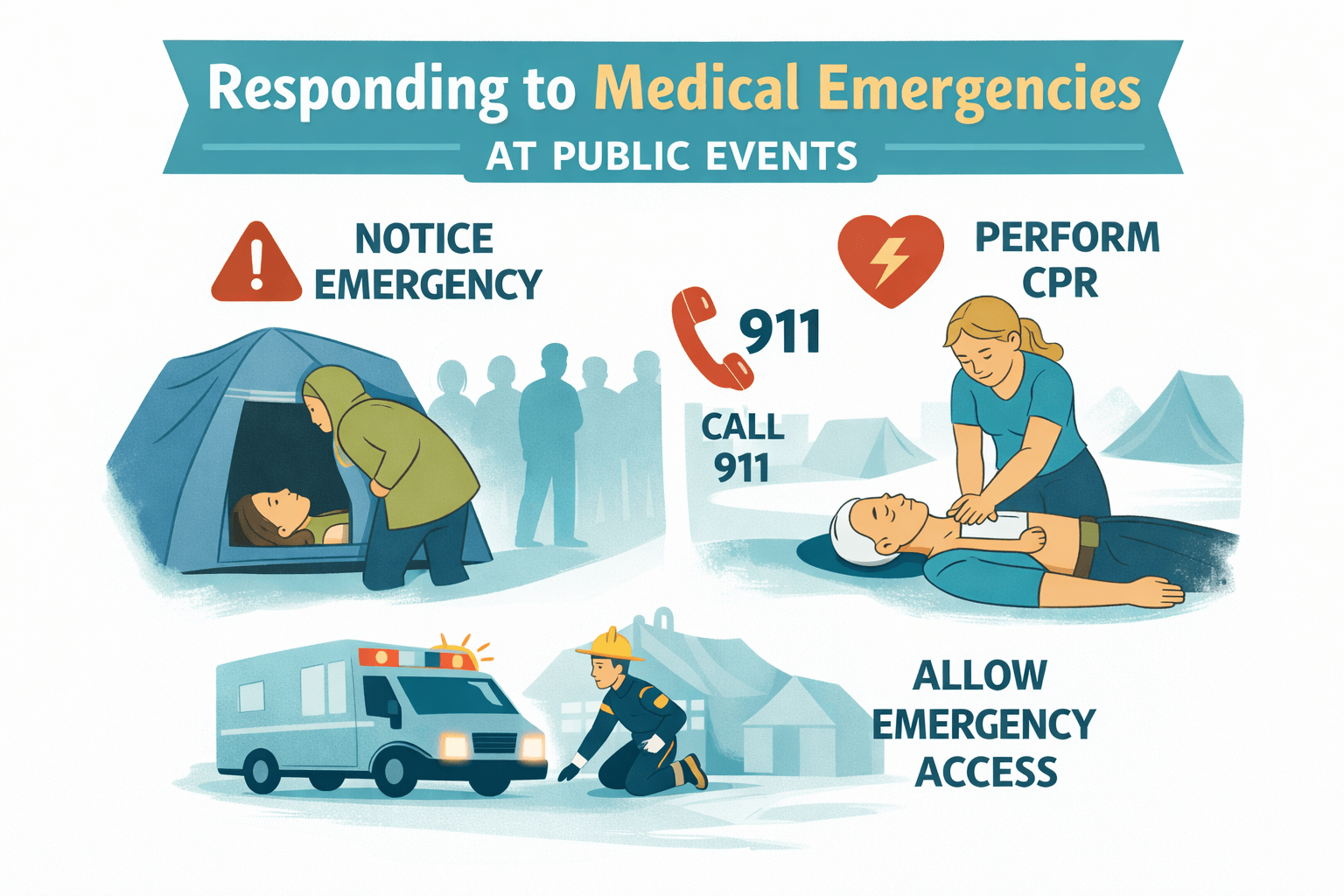
A woman in her twenties was discovered by a friend inside a tent. At first, the friend believed she was asleep. When it became clear something was wrong, CPR was attempted in an effort to revive her.
Emergency services were contacted, and the area was cleared to allow ambulances and fire crews to reach the location. The woman was transported to a healthcare facility where she was later declared deceased.
Police indicated that the death was not believed to be suspicious. At the time, there had already been growing concern about safety conditions at the encampment. Fire officials had previously warned occupants about hazards associated with tarps, fuel sources, and abandoned tents that could pose risks in a densely packed area.
While the circumstances surrounding medical emergencies can vary, the incident illustrates how quickly unexpected situations can occur in crowded or temporary living environments.
Recognizing When CPR May Be Needed
CPR may be necessary when a person:
-
Is unresponsive
-
Is not breathing normally or has stopped breathing
-
Shows no signs of circulation
In these situations, rapid recognition and immediate emergency response are important steps while waiting for trained medical professionals to arrive.
CPR training programs in Canada teach individuals how to identify these situations and provide assistance until emergency responders take over.
Possible Causes of Sudden Medical Emergencies
Medical emergencies in public settings can occur for many reasons. Some potential contributing factors may include:
-
Cardiac arrest
-
Respiratory distress
-
Drug or alcohol-related complications
-
Severe medical conditions
-
Environmental factors such as cold exposure or dehydration
Because the cause is not always immediately known, emergency responders focus on stabilizing the individual and providing supportive care.
Emergency Response and First Aid Awareness
During a suspected life-threatening medical emergency, general first aid training emphasizes several key actions:
-
Recognizing that the person is unresponsive
-
Alerting emergency services
-
Beginning CPR if trained and appropriate
-
Continuing assistance until professional responders arrive
In crowded settings or temporary camps, it may also be important to ensure clear access routes so emergency responders can reach the person quickly.
Prevention and Safety Considerations at Public Events
While not all emergencies can be prevented, several safety practices can help improve preparedness during public gatherings:
-
Encouraging community members to learn CPR and first aid
-
Maintaining clear pathways for emergency vehicles
-
Following fire safety guidance for tents, heating sources, and fuel storage
-
Monitoring for potential health concerns within large groups
-
Ensuring organizers communicate safety procedures to participants
Preparedness and awareness can help communities respond more effectively if a medical incident occurs.
Frequently Asked Questions
What is cardiopulmonary resuscitation (CPR)?
CPR is a first aid technique that helps maintain blood circulation and oxygen flow to the brain and organs when someone has stopped breathing or their heart is not pumping effectively.
Where can CPR be used?
CPR may be performed in many environments, including workplaces, homes, public events, sports facilities, and community gatherings while waiting for emergency responders.
Why is early CPR important?
Early CPR helps maintain blood circulation during a medical emergency. When provided quickly, it can help support vital organ function until professional medical care arrives.
Are CPR skills difficult to learn?
Many people learn CPR through workplace or community first aid training programs. Courses typically combine instruction and hands-on practice to help participants understand how to respond during emergencies.
Why is emergency access important at large gatherings?
Clear access routes allow ambulances and fire crews to reach individuals quickly during emergencies. Obstructed pathways can delay emergency response in crowded environments.
Educational Note
This article is intended for general first aid awareness and public safety education. Learning CPR and first aid can help individuals better understand how to respond during medical emergencies while waiting for trained emergency medical services.
About The Author

Mark Kascha
First Aid Instructor Trainer with 30+ years of experience in CPR, emergency response, and safety training across Canada.
Last reviewed: March 2026
 Support local, Canadian-owned businesses, with no connections to American corporations or partnerships.