
Understanding Avalanche Injuries and Emergency Response
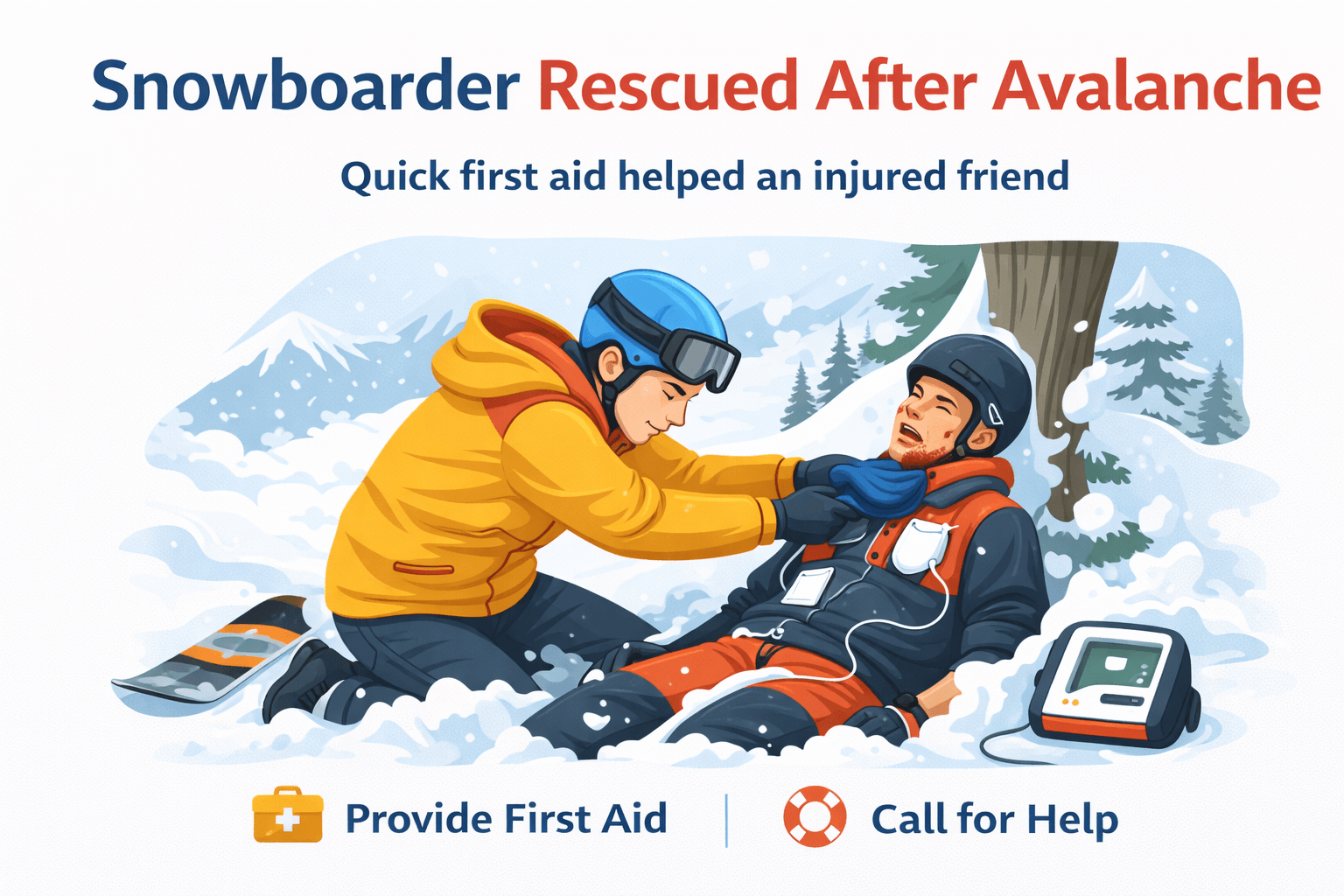 Avalanches can occur when layers of snow on a slope suddenly collapse and slide downhill. These events can move quickly and may carry people, snow, and debris across large areas. When someone is caught in an avalanche or pushed into obstacles such as trees or rocks, injuries may occur that require immediate attention.
In British Columbia, including the Vancouver region, outdoor recreation such as skiing and snowboarding is common during the winter months. Because mountain environments can be remote, basic first aid knowledge and emergency preparedness are especially important for people participating in outdoor activities.
First Aid and Workplace Relevance in Vancouver and British Columbia
Many workplaces in British Columbia encourage employees to complete first aid training, particularly in industries connected to outdoor recreation, tourism, construction, and transportation. Ski resorts, parks, and wilderness areas also rely on trained staff and community awareness to respond quickly to injuries.
Knowing how to assess injuries, control bleeding, and keep an injured person stable until rescue teams arrive can be an important part of emergency preparedness in remote environments.
Scenario: Snowboarder Injured in Avalanche at Silver Star Mountain Resort
What began as a typical day of snowboarding quickly turned into an emergency for two friends riding at Silver Star Mountain Resort near Vernon, British Columbia.
Tylor Williams and Nathan Fisher had just begun their first run of the day on Alder Point, located on the back side of the resort. According to reports, Williams noticed snow on the slope ahead beginning to shift. Within moments, the snow started moving rapidly downhill.
The moving snow pushed Fisher off course and toward nearby trees along the run. The force of the avalanche carried him down the slope before he disappeared from Williams’ sight.
Williams quickly rode downhill to search for his friend. After unstrapping from his snowboard, he ran across the slope until he reached the edge of the area where Fisher had been carried.
He eventually located Fisher lying against a tree on the slope, partially covered by snow. Fisher was conscious but injured.
Williams immediately began helping his friend and provided initial first aid while calling for assistance. Reports described several injuries, including trauma to Fisher’s jaw and throat, as well as injuries to his ribs and ankle.
To help control bleeding, Williams used his tuque (a knitted winter hat) to apply gentle pressure to the injured area while continuing to call for emergency help. He also spoke with Fisher and encouraged him to stay conscious and focus on breathing while they waited for rescue teams.
Ski patrol responders eventually arrived and provided further emergency care. Paramedics later transported Fisher to Kelowna General Hospital for treatment. Reports indicated that he sustained several injuries but did not suffer spinal or head trauma and was recovering.
Signs of Serious Trauma After an Avalanche
Avalanche-related incidents may result in several types of injuries. Warning signs that someone requires urgent medical assistance may include:
-
Heavy bleeding from wounds
-
Difficulty breathing
-
Visible fractures or joint injuries
-
Confusion or loss of consciousness
-
Severe pain or limited movement
These symptoms require immediate emergency response and professional medical evaluation.
Possible Injuries from Avalanche Incidents
Avalanches can cause injuries through several mechanisms, including:
-
Impact with trees, rocks, or other obstacles
-
Burial or partial burial in snow
-
Crushing injuries from moving snow and debris
-
Trauma from sudden falls or collisions
Because avalanche environments are often remote, early assistance from nearby companions can be essential until rescue teams arrive.
First Aid and Emergency Management in Remote Areas
When injuries occur in outdoor or mountain environments, the first priority is to ensure safety and call for help if communication is possible.
General emergency response steps may include:
-
Calling emergency services or alerting ski patrol if available
-
Checking the injured person’s responsiveness and breathing
-
Applying pressure to control visible bleeding
-
Helping the injured person remain calm and still
-
Monitoring their condition until trained responders arrive
Outdoor recreation areas often rely on both trained professionals and responsible companions to support emergency response.
Prevention and Outdoor Safety Considerations
Winter sports enthusiasts can reduce risks and improve preparedness by following several safety practices:
-
Checking avalanche conditions before entering backcountry areas
-
Carrying emergency communication devices when possible
-
Snowboarding or skiing with a partner
-
Learning basic first aid skills for outdoor activities
-
Following safety guidance provided by ski resorts and park officials
Prepared individuals and groups can respond more effectively when unexpected incidents occur in mountain environments.
Frequently Asked Questions
What causes avalanches?
Avalanches often occur when layers of snow become unstable and slide down a slope. Weather conditions, terrain, and human activity can sometimes contribute to these events.
Why is first aid knowledge important in remote outdoor areas?
Mountain and wilderness environments may be far from immediate medical care. First aid knowledge allows companions to assist an injured person until rescue teams arrive.
What should someone do if a companion is injured on a ski slope?
If it is safe to do so, the first step is to alert ski patrol or emergency services. Trained individuals may assist the injured person while waiting for professional responders.
Do ski resorts have emergency response teams?
Most ski resorts maintain trained ski patrol teams that respond to injuries on the mountain and help coordinate emergency medical care.
Can first aid training help during outdoor recreation activities?
Yes. First aid training helps individuals recognize injuries, provide initial care, and communicate effectively with emergency responders.
Educational Note
This article is intended for general education about emergency preparedness and first aid awareness during outdoor activities. Learning first aid can help individuals respond more confidently to injuries in workplaces, recreational settings, and remote environments.
About The Author

Mark Kascha
First Aid Instructor Trainer with 30+ years of experience in CPR, emergency response, and safety training across Canada.
👉 [View full credentials]🔗 View LinkedIn Profile
Last reviewed: March 2026