
Understanding Water-Related Medical Emergencies
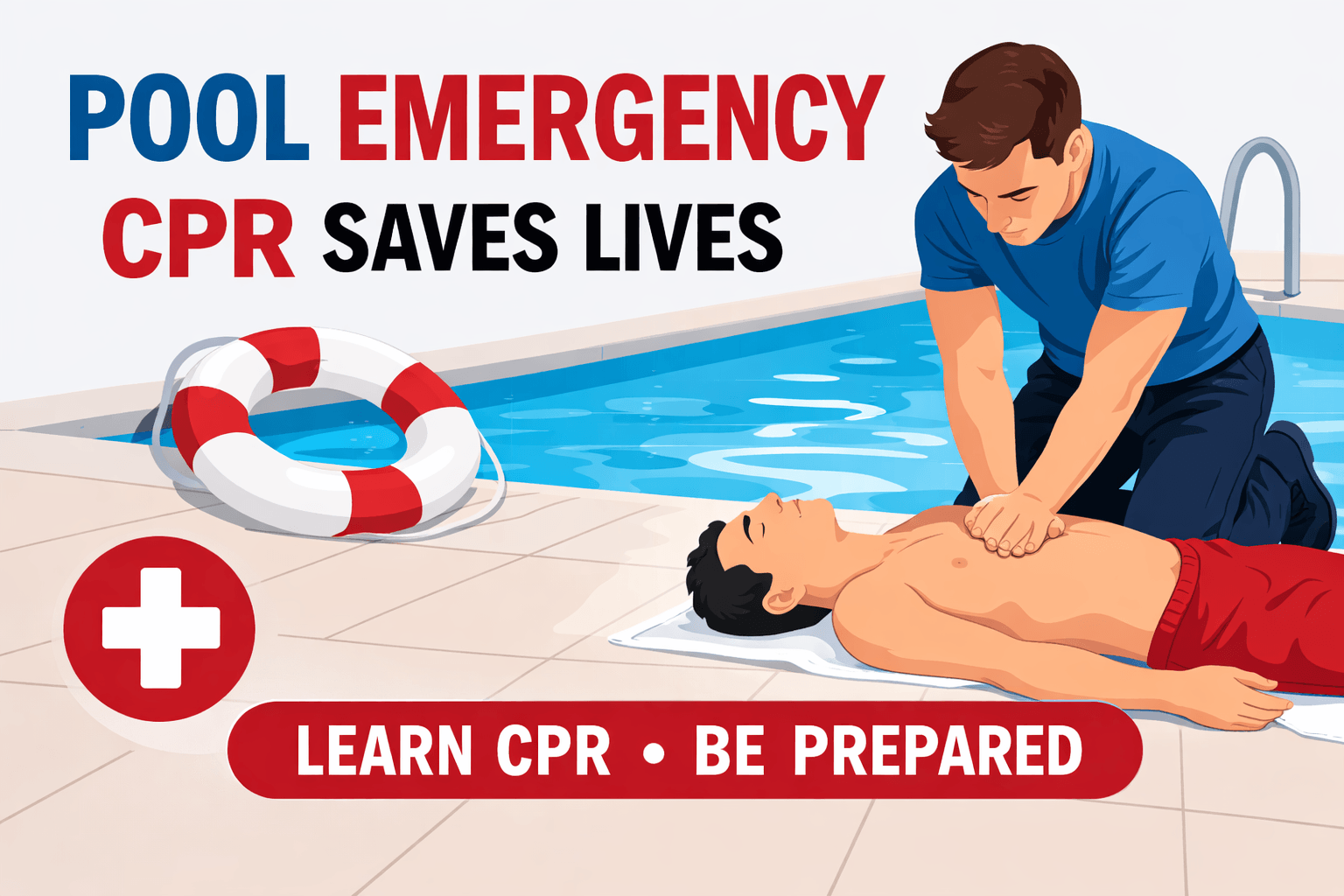 Water-related emergencies, including drowning or near-drowning incidents, can occur quickly and without warning. When a person is submerged or unable to breathe normally in water, oxygen levels in the body can drop rapidly. In these situations, immediate assistance and CPR may help maintain circulation and breathing until emergency medical services arrive.
Across British Columbia and the Lower Mainland—including Vancouver, Burnaby, Richmond, and Coquitlam—CPR and first aid training are often recommended for people who work or live in buildings with pools, fitness facilities, or recreation areas. Knowing how to recognize emergencies and respond safely can be important in residential buildings, workplaces, and public recreation spaces.
First Aid Awareness in Residential Buildings in British Columbia
Many condominium buildings, community centres, and recreational facilities across Vancouver and the Lower Mainland include swimming pools or hot tubs. Property managers, staff, and residents are often encouraged to understand basic safety procedures, including emergency response and CPR awareness.
While professional lifeguards may be present in some public facilities, residential pools may rely on bystanders or building staff to recognize emergencies and contact emergency services quickly.
A Security Guard Responds to a Pool Emergency
An incident in Montreal near Lafontaine Park on Papineau Avenue illustrates how quickly a water-related emergency can develop.
A security guard working in a condominium complex discovered a man in his 30s unconscious at the bottom of the indoor pool, located on the building’s 27th floor.
After recognizing the emergency, the man was removed from the water and CPR was initiated immediately while emergency services were contacted.
Paramedics arrived shortly afterward and transported the individual to a healthcare facility for further treatment. Reports indicated that he was in critical condition at the time of transport.
Early information suggested the incident was likely accidental, although investigations typically review the circumstances surrounding such events.
Why Immediate CPR Matters in Water Emergencies
During drowning or near-drowning incidents, the body may be deprived of oxygen. Rapid recognition of the emergency and quick assistance from bystanders can help support breathing and circulation while waiting for paramedics.
First aid training programs often emphasize that early CPR can play an important role in emergency response when someone is unresponsive and not breathing normally.
Common steps in an emergency response may include:
-
Removing the person from the water if it is safe to do so
-
Calling emergency medical services
-
Beginning CPR if the person is unresponsive and not breathing normally
-
Continuing assistance until professional help arrives
Quick action from nearby individuals can help provide critical support during the early moments of an emergency.
Signs of a Possible Drowning Emergency
Drowning emergencies may not always involve dramatic splashing or calls for help. Signs that someone may be in distress in the water include:
-
Silent struggling or difficulty staying afloat
-
Sudden submersion beneath the water
-
Unresponsiveness in the pool or water area
-
Irregular or absent breathing after removal from water
-
Loss of consciousness
Recognizing these signs early allows bystanders to respond quickly and contact emergency services.
Safety and Prevention Around Pools
Although many water-related emergencies are unexpected, several safety practices may help reduce risks in residential and recreational pool environments.
Important considerations include:
-
Ensuring pools are properly supervised when in use
-
Learning CPR and first aid skills
-
Following posted pool safety guidelines
-
Avoiding swimming alone in private pools
-
Maintaining clear access for emergency responders
Across Vancouver and the Lower Mainland, many workplaces and residential communities encourage CPR awareness as part of broader safety preparedness.
Preparedness and awareness can help communities respond effectively when emergencies occur.
Frequently Asked Questions
Why is CPR important during drowning emergencies?
During drowning incidents, the body may be deprived of oxygen. CPR can help support circulation and breathing while emergency medical services travel to the scene.
Can water-related emergencies happen in residential pools?
Yes. Emergencies can occur in any pool environment, including residential buildings, hotels, and recreational facilities. Awareness and safety precautions are important in all settings.
Who should learn CPR in a residential community?
Many communities encourage property managers, building staff, fitness attendants, and residents to learn CPR so they are prepared to assist during emergencies.
Are drowning emergencies always obvious?
Not always. Some drowning situations are quiet and may occur without visible signs of distress, which is why awareness and supervision are important.
Is CPR training available to the public in Canada?
Yes. Many community organizations, workplaces, and training providers across Canada offer CPR and first aid courses for the general public.
Educational Note
This article is intended for general first aid awareness and public safety education. Participating in certified CPR and first aid training helps individuals learn practical skills for recognizing emergencies and responding safely.
About The Author

Mark Kascha
First Aid Instructor Trainer with 30+ years of experience in CPR, emergency response, and safety training across Canada.
👉 [View full credentials]🔗 View LinkedIn Profile
Last reviewed: March 2026