
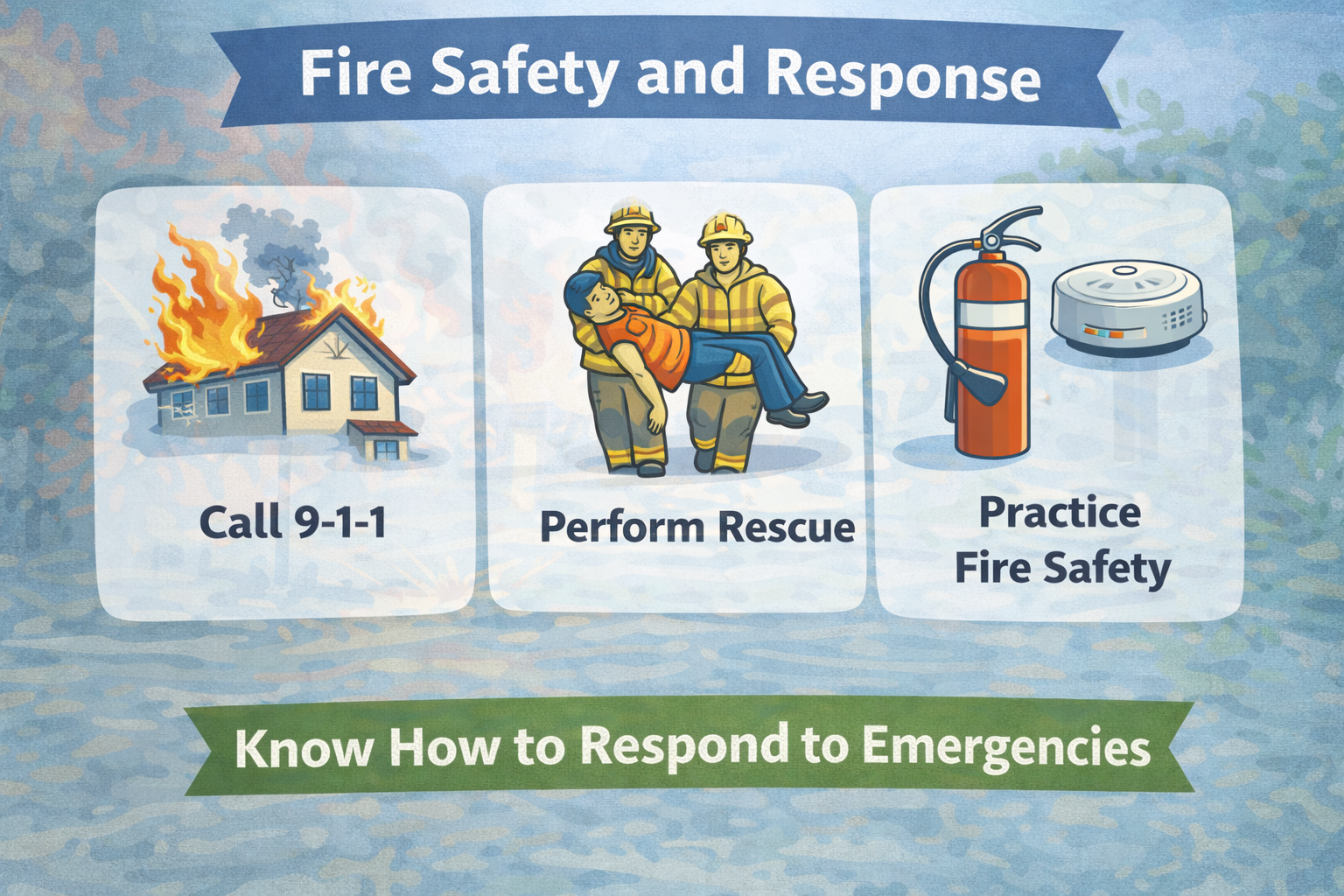
 Residential fires can develop quickly and may create dangerous conditions such as smoke, heat, and structural damage. Fire departments across Canada, including Vancouver and throughout British Columbia, respond to thousands of residential fires each year. Emergency crews are trained to rescue occupants, control the fire, and provide immediate first aid care when individuals are found inside a building.
Understanding fire safety practices and basic first aid awareness can help communities respond more effectively when emergencies occur.
First Aid and Workplace Safety Relevance in Vancouver and British Columbia
In Vancouver and across BC, many workplaces—including residential building management, construction sites, and community facilities—encourage employees to complete first aid and CPR training. These skills help individuals recognize emergencies, contact emergency services quickly, and assist until trained responders arrive.
Firefighters and other emergency responders also rely on first aid and CPR techniques when rescuing individuals affected by smoke exposure, injuries, or loss of consciousness during fires.
Scenario: Early Morning Fire in Cote-des-Neiges
In a reported incident in the Côte-des-Neiges neighbourhood of Montreal, firefighters responded to a residential building fire on Appleton Avenue during the early morning hours.
Approximately 70 firefighters attended the scene after the emergency call was received around 6:40 a.m. Crews worked to control the fire, search the building, and assist any occupants inside.
During their search, firefighters located the 66-year-old owner of the two-storey building unconscious inside his second-floor apartment. Emergency responders removed him from the building and began CPR while transporting him to a healthcare facility.
Despite these efforts, the man was later declared dead at the hospital.
According to Jean-Pierre Brabant of the SPVM, firefighters secured the scene and conducted searches to ensure no other occupants were inside the building.
During the emergency response, one firefighter was injured after falling into a hole created by structural damage from the fire. The firefighter sustained fractures to the arm and leg.
Officials reported that the second floor of the building sustained extensive damage. Authorities later transferred the investigation to the Montreal police arson squad, which began examining the circumstances surrounding the fire.
Residents in the surrounding community expressed concern and sadness following the incident, especially as the fire displaced occupants and caused significant property damage.
Recognizing Signs of Smoke and Fire Emergencies
Fires can produce dangerous conditions very quickly. Signs that a person may be affected by smoke or fire exposure can include:
-
Loss of consciousness
-
Difficulty breathing
-
Persistent coughing
-
Confusion or disorientation
-
Burns or visible injuries
Emergency responders are trained to assess these conditions and provide immediate assistance.
First Aid Awareness During Fire Emergencies
During a fire, personal safety and evacuation are the highest priorities. If someone is found unconscious or injured after a fire, emergency services should be contacted immediately.
First aid training programs often teach responders to:
-
Call emergency services as soon as a fire or medical emergency is identified
-
Ensure the area is safe before approaching the injured person
-
Check responsiveness and breathing
-
Provide assistance within their level of training while waiting for emergency responders
-
Avoid re-entering a dangerous building or smoke-filled environment
These safety steps help protect both the responder and the injured individual.
Prevention and Residential Fire Safety Practices
Many residential fires can be reduced through basic fire prevention measures. Safety recommendations commonly include:
-
Installing and maintaining working smoke alarms
-
Creating and practising home fire escape plans
-
Avoiding unattended cooking or heating equipment
-
Ensuring electrical systems and appliances are properly maintained
-
Keeping exits and stairways clear for emergency evacuation
Across Canadian communities, fire departments often promote these practices through public education and community safety programs.
Frequently Asked Questions
Why are smoke alarms important in homes?
Smoke alarms provide early warning of fire and smoke, giving occupants more time to evacuate safely and contact emergency services.
What should people do if a fire starts in a building?
The safest action is to evacuate immediately, alert others if possible, and call emergency services from outside the building.
Why do firefighters search buildings during a fire response?
Fire crews conduct systematic searches to locate anyone who may still be inside and ensure that all occupants are safely evacuated.
Why are investigations conducted after fires?
Fire investigations help determine the cause of the fire and identify any safety issues that may help prevent similar incidents in the future.
How can communities improve fire safety awareness?
Community programs that promote smoke alarm installation, emergency planning, and fire safety education help residents better prepare for emergencies.
Educational Note
This article is intended for general fire safety and first aid awareness education. Fire emergencies involve complex hazards, and trained firefighters and emergency responders are equipped to manage these situations. Learning fire safety practices and basic first aid awareness can help communities respond more effectively during unexpected emergencies.
About The Author

Mark Kascha
First Aid Instructor Trainer with 30+ years of experience in CPR, emergency response, and safety training across Canada.
👉 [View full credentials]🔗 View LinkedIn Profile
Last reviewed: March 2026