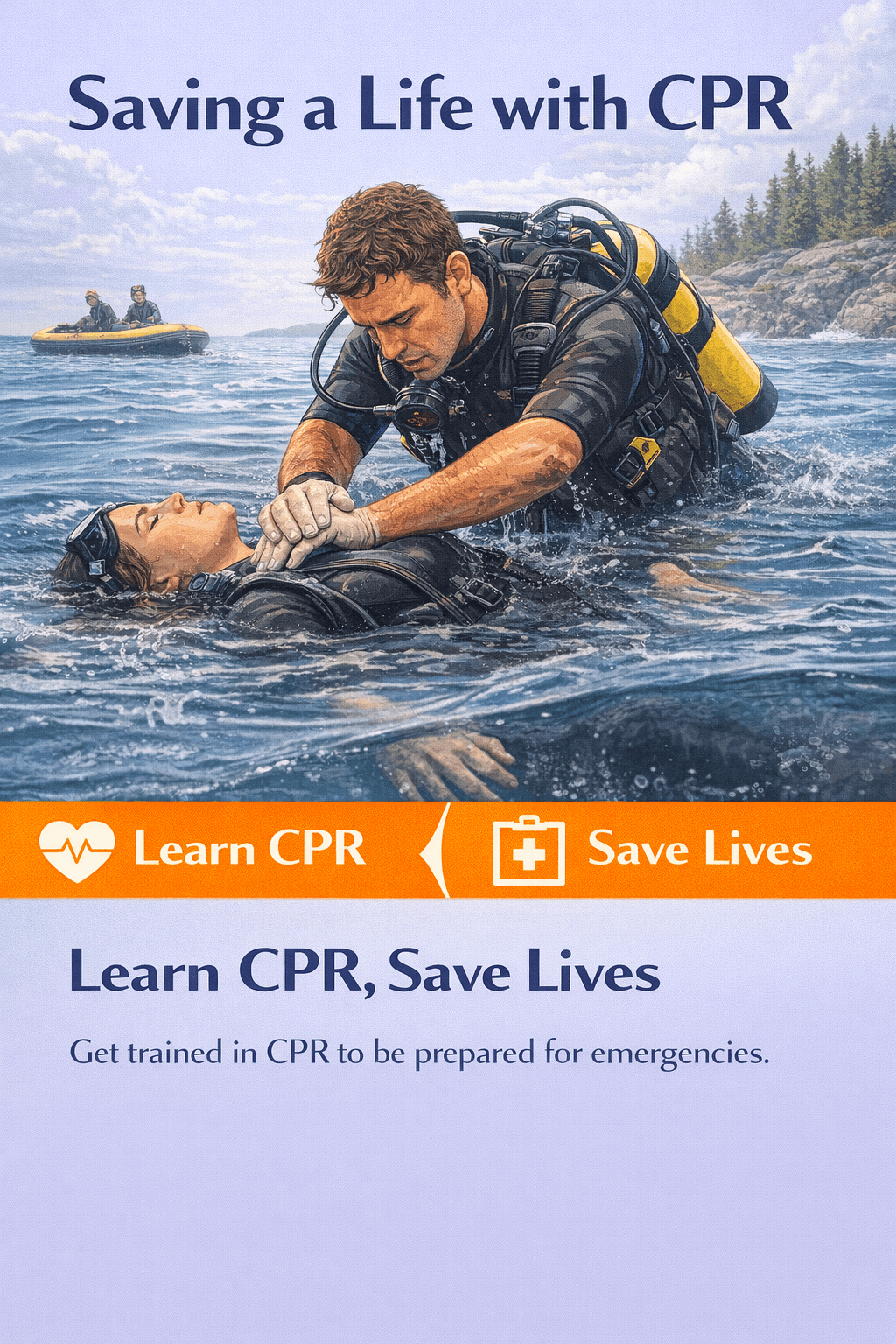
 Water emergencies can occur quickly, even for experienced swimmers and divers. Drowning happens when a person cannot breathe normally because water has entered or blocked the airway. When breathing stops or becomes ineffective, oxygen levels in the body can drop rapidly.
In West Vancouver, Horseshoe Bay, and other coastal communities across the Lower Mainland of British Columbia, recreational activities such as scuba diving, kayaking, and swimming are popular. Because of these activities, CPR training and water-safety awareness are valuable skills for outdoor enthusiasts, instructors, and members of the public.
First Aid and CPR Training in British Columbia
Many outdoor instructors, lifeguards, and recreation leaders in British Columbia are trained in first aid and CPR as part of safety requirements for guiding or supervising water activities. These skills help responders provide immediate care while waiting for paramedics and rescue teams.
Learning CPR is useful not only for professionals but also for community members, coworkers, and families who may witness an emergency.
Scenario: Emergency Response at Whytecliff Marine Park
An incident at Whytecliff Marine Park in West Vancouver, near the entrance to Howe Sound, highlighted how quick action and CPR knowledge can help during a water emergency.
A scuba diving instructor was teaching a class in the water when he and his students heard calls for help nearby. A diver had surfaced and was urgently requesting assistance for his partner, who had not resurfaced.
The instructor quickly organized a search with the students and located the missing diver underwater within minutes. The woman, a 46-year-old from Port Moody, was found unconscious approximately 14 metres below the surface.
The instructor brought the diver to the surface and helped transport her to shore. Once on the beach, CPR was started immediately while emergency services were contacted.
Rescue crews later transported the diver by air ambulance to Vancouver General Hospital for further medical treatment. Authorities also examined the circumstances surrounding the incident, including the condition of the diving equipment.
The quick response from the instructor and those assisting demonstrates how rapid CPR and emergency coordination can support survival during water-related incidents.
Signs of a Possible Drowning Emergency
Water emergencies may not always be obvious. Signs that someone may be experiencing serious breathing problems after being in the water can include:
-
Unresponsiveness
-
Difficulty breathing or no visible breathing
-
Bluish or pale skin around the lips or face
-
Weak or absent movement
-
Gasping or irregular breathing
These signs indicate a medical emergency requiring immediate assistance.
How CPR Helps After Water Emergencies
When breathing stops after a water incident, oxygen cannot reach vital organs such as the brain and heart. CPR helps support the body by:
-
Providing chest compressions to help circulate blood
-
Supporting oxygen delivery to the brain and organs
-
Maintaining circulation until normal breathing returns
-
Bridging the gap until professional medical care arrives
Early CPR is a critical link in the chain of survival during drowning incidents.
First Aid Response During Water Rescues
People trained in first aid and CPR may take several steps when responding to someone removed from the water:
-
Ensure the person is safely brought out of the water
-
Contact emergency services immediately
-
Begin CPR if the person is unresponsive and not breathing normally
-
Continue care until paramedics or rescue teams arrive
Emergency dispatchers may also guide bystanders through response steps over the phone.
Prevention and Diving Safety Awareness
While water emergencies cannot always be prevented, preparation and awareness can reduce risks. Helpful safety practices include:
-
Diving with trained partners or instructors
-
Conducting equipment safety checks before entering the water
-
Monitoring weather and water conditions
-
Following established diving safety procedures
-
Ensuring participants know basic first aid and CPR
Many recreational divers and outdoor enthusiasts in Vancouver, West Vancouver, and the Lower Mainland take CPR training as part of their safety preparation.
Frequently Asked Questions
Why is CPR important during drowning emergencies?
CPR helps maintain circulation and oxygen delivery when breathing has stopped or is ineffective after a water incident.
Can trained divers or instructors provide first aid during water emergencies?
Yes. Many diving instructors and safety professionals receive CPR and first aid training so they can respond quickly during emergencies.
What should someone do if a diver is found unconscious?
Emergency services should be contacted immediately. If the person is not breathing normally after being brought to shore, trained responders may begin CPR while waiting for paramedics.
Why is diving with a partner important?
Diving with a partner allows someone to quickly recognize problems and assist if an emergency occurs underwater.
Should recreational divers learn CPR?
Many diving organizations encourage CPR and first aid training because emergencies can happen unexpectedly during water activities.
Educational Note
This article is intended for general public education about CPR awareness and water safety. Participating in recognized first aid and CPR training can help individuals respond more confidently during emergencies involving water activities.
th CPR. He was in the right place at the right time and credited for saving the life of a drowning diver in West Vancouver’s Whytecliff Marine Park.
Watery ordeal
The instructor was teaching a class in the water at the mouth of Howe Sound near Horseshoe Bay when he and his students heard calls for help nearby. He did not waste any time in organizing a grid search for the 46-year old Port Moody woman after her partner surfaced, pleading for help around noon.
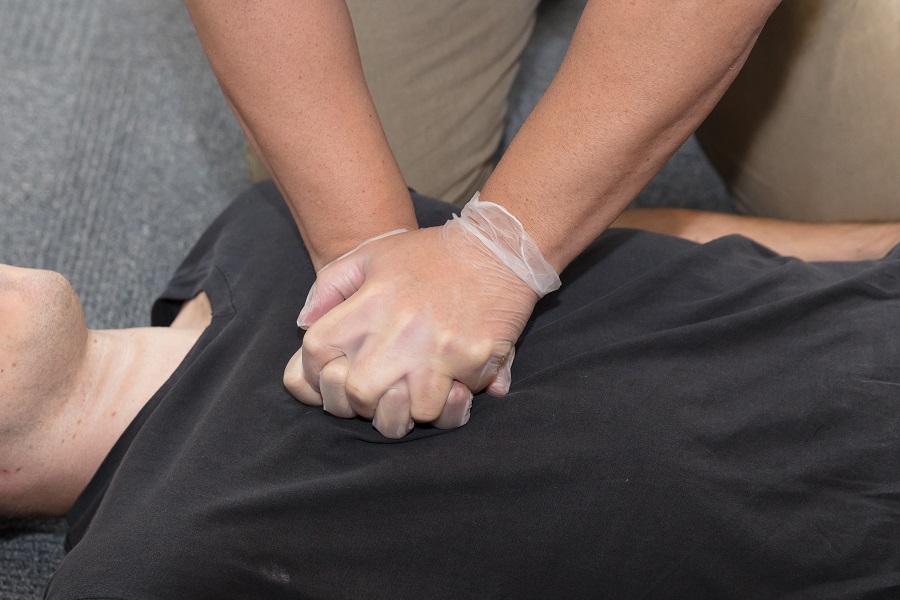
The instructor found the unconscious woman around 14 meters of water within minutes. He brought her up to the surface and pulled her to the beach where CPR was started.
The woman was transported via air ambulance to Vancouver General Hospital. The West Vancouver Police are now investigating if the woman’s equipment was functioning properly. The condition of the victim is unknown.
Prompt intervention with CPR
You can save a life with cardiopulmonary resuscitation (CPR). It is a life-saving technique that significantly improves the chances of survival during emergencies.
For more information about this story, click here.
LEARN MORE
Learn how to help by enrolling in a course on first aid and CPR and for more information, check out these sources:
https://www.healthline.com/health/first-aid/cpr
https://en.wikipedia.org/wiki/Cardiopulmonary_resuscitation
https://www.webmd.com/first-aid/cardiopulmonary-resuscitation-cpr-treatment
About The Author

Mark Kascha
First Aid Instructor Trainer with 30+ years of experience in CPR, emergency response, and safety training across Canada.
Last reviewed: March 2026
 Support local, Canadian-owned businesses, with no connections to American corporations or partnerships.