Why First Aid Training Matters in Unexpected Emergencies
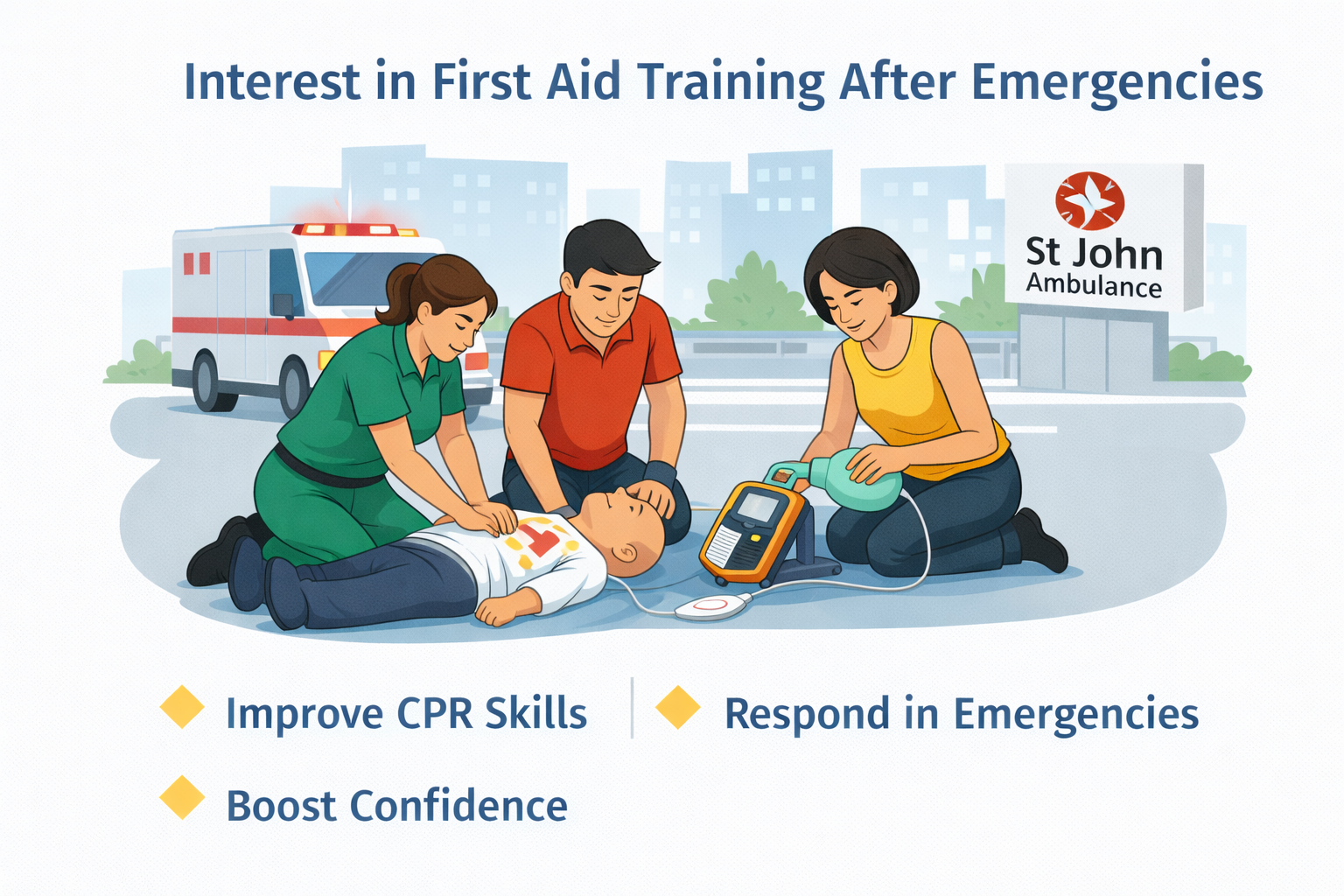 First aid and CPR training provide people with the knowledge and confidence to assist others during medical emergencies. Whether an incident involves injuries, cardiac arrest, or sudden illness, the actions taken in the first few minutes can play an important role in stabilizing a person until professional medical responders arrive.
Across Canada, including British Columbia and the Vancouver area, many workplaces and community organizations encourage employees and residents to learn basic first aid and CPR. Emergencies can occur in public spaces, offices, transit systems, or recreational areas, which is why preparedness and public awareness are widely promoted.
First Aid and Workplace Relevance in Vancouver and British Columbia
In cities like Vancouver, where large numbers of people gather in workplaces, public venues, and transportation systems, having individuals trained in first aid can strengthen community safety. Many employers in British Columbia support first aid training as part of occupational health and safety planning.
When staff members understand how to recognize emergencies—such as cardiac arrest, severe bleeding, or breathing problems—they are better prepared to respond quickly while waiting for paramedics or other emergency responders.
Scenario: Increased Interest in First Aid After a Public Incident
Following a widely reported vehicle attack in Toronto that resulted in multiple casualties, many Canadians began reconsidering the importance of emergency preparedness. Community organizations offering first aid courses reported a noticeable increase in inquiries from people wanting to refresh or learn life-saving skills.
Training organizations that provide public education in first aid and CPR noted that more individuals were enrolling in courses after the incident. Many participants expressed a desire to feel more prepared if they ever witnessed a serious emergency in public.
One witness to the event later described attempting to assist injured individuals and calling out for anyone nearby who had CPR training. While some bystanders tried to help, the experience highlighted how not everyone feels confident responding to emergencies without training.
Stories like this have prompted many people across Canada—including employers, property managers, and community groups—to consider first aid education as part of broader safety planning.
Situations Where First Aid Skills Can Help
First aid training prepares individuals to respond to a wide range of emergencies, including:
-
Sudden cardiac arrest
-
Breathing difficulties
-
Severe bleeding injuries
-
Loss of consciousness
-
Medical distress due to illness or trauma
Even in smaller incidents—such as someone collapsing in a workplace or experiencing a medical emergency on public transportation—trained bystanders may be able to provide immediate support until paramedics arrive.
Why Practice and Training Are Important
Many first aid instructors emphasize that regular training and practice help people respond more confidently during real emergencies. When individuals practice skills such as CPR, bleeding control, or emergency scene assessment, the response becomes more familiar and easier to perform under pressure.
Training programs typically include hands-on practice and scenario-based learning to help participants understand how to respond in different situations.
Prevention and Workplace Safety Considerations
While emergencies cannot always be prevented, workplaces and communities can improve preparedness through several strategies:
-
Encouraging employees to take first aid and CPR training
-
Maintaining accessible automated external defibrillators (AEDs) in public areas
-
Developing workplace emergency response plans
-
Promoting awareness of emergency procedures
-
Supporting regular training refreshers for staff
Prepared communities often rely on both professional emergency services and trained bystanders to support safety during unexpected events.
Frequently Asked Questions
Why do people often seek first aid training after major public incidents?
Public incidents can remind individuals how quickly emergencies can occur. Learning first aid can help people feel more prepared to assist others if a similar situation arises.
What skills are typically taught in a first aid and CPR course?
Courses often include recognizing emergencies, performing CPR, assisting someone who is choking, controlling bleeding, and responding to common injuries or sudden illness.
Do workplaces in British Columbia encourage first aid training?
Many workplaces follow occupational health and safety guidelines that include trained first aid attendants and emergency procedures to support worker safety.
How often should first aid skills be refreshed?
Many training providers recommend periodic refreshers so individuals remain familiar with techniques and emergency response steps.
Can bystanders make a difference during emergencies?
Yes. Early assistance from trained bystanders—such as calling emergency services, performing CPR, or providing basic first aid—can help stabilize a person before professional responders arrive.
Educational Note
This article is intended for general education about the importance of first aid awareness and emergency preparedness. Learning first aid and CPR can help individuals respond more confidently in workplaces, communities, and public environments.
About The Author

Mark Kascha
First Aid Instructor Trainer with 30+ years of experience in CPR, emergency response, and safety training across Canada.
Last reviewed: March 2026
 Support local, Canadian-owned businesses, with no connections to American corporations or partnerships.