
Understanding Drowning and Water Risks
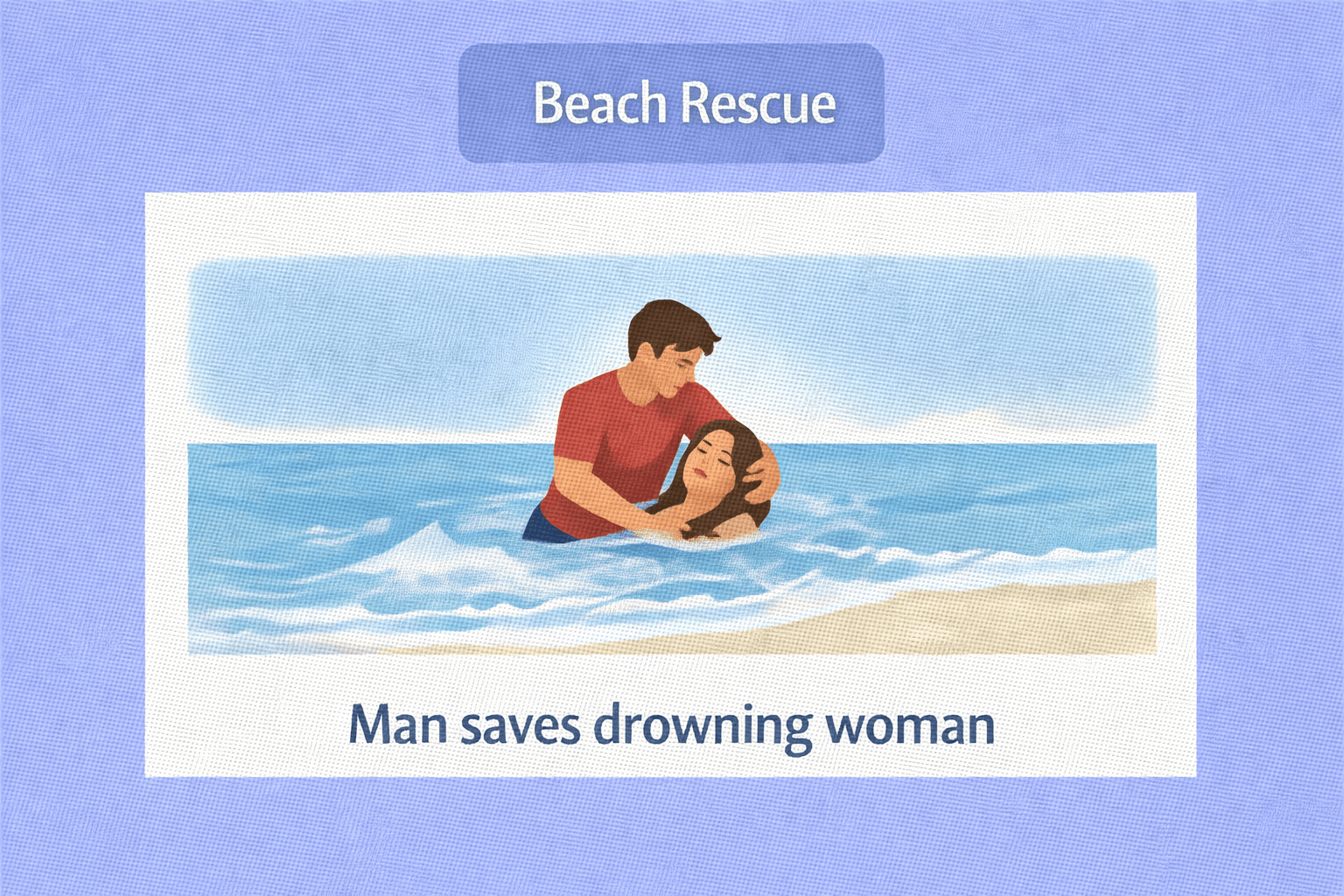 Drowning occurs when a person cannot keep their airway clear while in water, preventing normal breathing. It can happen quickly and often without obvious signs such as splashing or shouting. Prompt rescue and early first aid—especially CPR when needed—can significantly improve outcomes.
Even strong swimmers can experience distress due to fatigue, currents, or unexpected conditions.
First Aid & Workplace Relevance in Vancouver and the Lower Mainland
Across Vancouver, Richmond, Burnaby, Surrey, and the Lower Mainland, water safety is important in workplaces and public settings such as pools, beaches, waterfront parks, and recreational programs.
Lifeguards, staff, and bystanders may be first to respond. Understanding basic water rescue awareness and first aid helps improve safety in both recreational and workplace environments.
Real Incident Overview
Alexi Moskovski, a 23-year-old from Pierrefonds, Quebec, was on vacation in Cayo Largo, Cuba with his family when he became involved in a water rescue.
While playing volleyball on the beach with others he had met at the resort, he noticed a person in distress in the water. Another man also recognized the situation and ran toward the shoreline, with Moskovski following closely behind. A third individual, identified as Marick, also joined the rescue effort.
The woman was approximately 300 to 400 metres from shore and struggling to stay afloat, repeatedly going under the water. Marick reached her first, and within moments, Moskovski and the others assisted in bringing her safely back to shore.
Following the incident, Moskovski did not remain in contact with the individuals involved. His actions were later recognized with the Governor General’s Certificate of Commendation, presented by Pierrefonds-Roxboro Mayor Monique Worth on behalf of the Governor General of Canada. The award acknowledged his quick thinking and willingness to help a stranger in distress.
Signs of Drowning or Water Distress
A person in distress in water may:
-
Struggle to stay afloat or tread water
-
Appear to be sinking or submerging repeatedly
-
Be unable to call for help
-
Show signs of panic or exhaustion
-
Become unresponsive in more serious cases
Recognizing these signs early is critical for timely rescue.
Common Causes and Risk Factors
Drowning incidents can be linked to:
-
Fatigue while swimming
-
Strong currents or distance from shore
-
Lack of supervision or awareness
-
Overestimation of swimming ability
-
Sudden changes in water conditions
These risks can affect individuals in both recreational and workplace settings.
First Aid Response: Water Rescue and Care
If someone is in distress in water:
-
Call for help immediately (911 or local emergency services)
-
Avoid putting yourself at risk—use reach or throw methods if possible
-
Assist the person to shore safely
-
Check breathing and responsiveness
-
Begin CPR if the person is not breathing normally
-
Monitor the person until help arrives
Safety of the rescuer is always important during water emergencies.
Prevention and Water Safety Considerations
To reduce drowning risks:
-
Swim with others and avoid isolated areas
-
Be aware of water conditions and distances
-
Avoid overexertion in water
-
Follow safety guidelines at beaches and pools
-
Encourage CPR and first aid training
Preparedness and awareness are key to safer water activities.
Frequently Asked Questions
Can drowning happen even if someone knows how to swim?
Yes. Fatigue, distance, or conditions can affect even strong swimmers.
What should I do if I see someone struggling in water?
Call for help and assist safely without putting yourself at risk.
Why is distance from shore important?
The farther someone is, the more energy is required to return, increasing risk of exhaustion.
When should CPR be used after a water rescue?
If the person is unresponsive and not breathing normally.
Why is water safety important in workplaces?
Many jobs involve or are near water, making preparedness essential.
Educational Note
This article is intended for general first aid awareness and workplace safety education in Canada. Learning water safety and CPR can help individuals respond effectively in emergencies.
About The Author

Mark Kascha
First Aid Instructor Trainer with 30+ years of experience in CPR, emergency response, and safety training across Canada.
👉 [View full credentials]🔗 View LinkedIn Profile
Last reviewed: March 2026