
Cardiopulmonary resuscitation (CPR) is an emergency first aid technique used when a person’s heart stops beating effectively or when they are not breathing normally. The goal of CPR is to help maintain blood flow to vital organs such as the brain and heart until advanced medical care becomes available.
Across Canada, including Vancouver and British Columbia, CPR training is widely taught as part of workplace safety programs and community first aid courses. These programs help people learn how to respond to sudden medical emergencies, including cardiac arrest caused by injuries, illness, or trauma.
Outdoor environments—such as hiking areas, lakes, snowmobile trails, and remote recreation areas—can sometimes present additional challenges because professional emergency services may take longer to reach the scene. In these situations, bystander CPR can provide critical support while waiting for responders.
First Aid and Workplace Safety Relevance in Vancouver and British Columbia
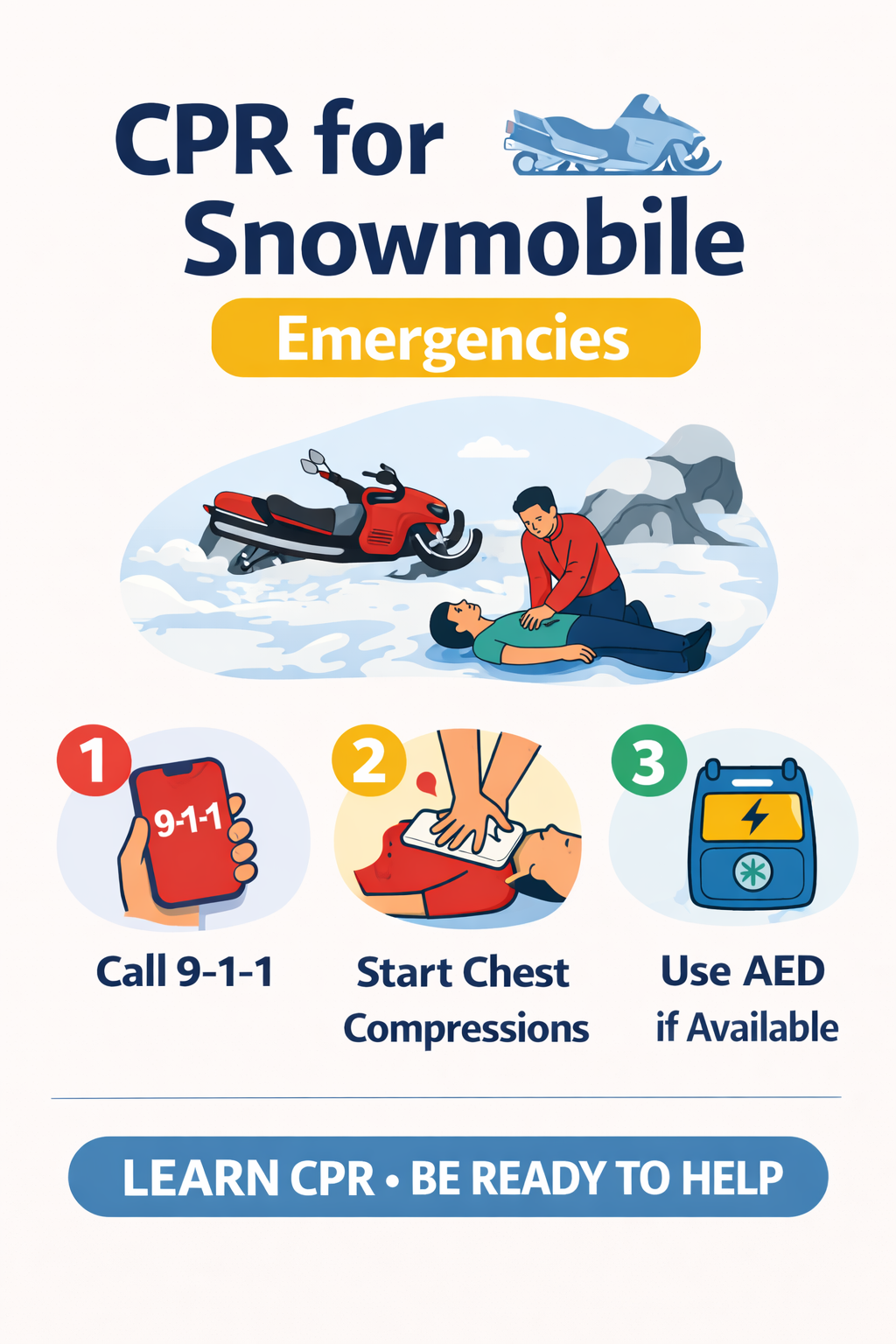 British Columbia has many outdoor recreation areas where activities like snowmobiling, hiking, skiing, and boating are common. Because accidents can happen in remote or rugged terrain, many outdoor workers and recreation leaders are encouraged to complete first aid and CPR training.
Workplace safety programs throughout Vancouver and BC often include instruction on:
-
Recognizing cardiac arrest
-
Performing chest compressions
-
Coordinating emergency response procedures
-
Communicating with emergency dispatchers
-
Supporting injured individuals until paramedics arrive
These skills are valuable for outdoor workers, guides, recreation staff, and community members who may encounter emergencies in remote environments.
A Snowmobile Incident Near Yellowknife
A tragic snowmobile accident near Reid Lake, approximately 60 kilometres northeast of Yellowknife in the Northwest Territories, highlighted both the risks associated with outdoor activities and the importance of emergency response training.
Jeffrey Lindsay, a 46-year-old member of the 1st Canadian Ranger Patrol Group, was involved in a snowmobile crash after striking a snow-covered rock while travelling along the trail.
Lindsay was originally from Brantford, Ontario, and was the father of twin 12-year-old boys. Colleagues described him as a knowledgeable and respected member of the Canadian Rangers. Before joining the ranger patrol group in Yellowknife, he had previously served as an artillery soldier in Afghanistan.
Following the crash, emergency responders attempted to provide CPR at the scene.
Despite these efforts, Lindsay was later declared deceased.
Risks Associated with Snowmobile and Outdoor Recreation
Snowmobiling is a popular winter activity across Canada, particularly in northern regions. However, travelling at speed across snow-covered terrain can sometimes hide obstacles such as rocks, uneven ground, or fallen branches.
Common risk factors in snowmobile incidents may include:
-
Hidden terrain hazards beneath snow
-
Reduced visibility during winter conditions
-
High speeds on remote trails
-
Limited access to emergency services in isolated locations
These factors highlight the importance of preparation and safety awareness when participating in outdoor recreation.
Why CPR Training Matters in Remote Environments
While CPR cannot always prevent loss of life, it plays an important role in emergency response. When a person experiences cardiac arrest, immediate CPR can help circulate oxygenated blood to vital organs until advanced medical care is available.
First aid and CPR courses commonly teach participants how to:
-
Recognize cardiac arrest
-
Call emergency services
-
Perform chest compressions
-
Use an automated external defibrillator (AED) when available
These skills are particularly valuable in outdoor or remote environments where response times may be longer.
Outdoor Safety and Prevention Considerations
Individuals who participate in outdoor recreation activities can reduce risk by taking several safety precautions:
-
Travelling with companions rather than alone
-
Informing others of travel plans and routes
-
Wearing proper safety equipment
-
Maintaining equipment regularly
-
Carrying communication devices when possible
Preparedness and awareness help improve safety during outdoor activities such as snowmobiling.
Frequently Asked Questions
What is CPR and why is it important?
CPR is an emergency procedure that uses chest compressions to help circulate blood when the heart stops beating effectively. It helps support vital organs until emergency responders arrive.
Can CPR always save a person’s life?
CPR improves the chances of survival during cardiac arrest, but outcomes can vary depending on many factors such as the cause of the emergency and how quickly professional medical care arrives.
Why is CPR training recommended for outdoor recreation?
Outdoor environments can be remote, meaning emergency responders may take longer to reach the scene. CPR training prepares individuals to assist during emergencies while waiting for help.
What is the role of the Canadian Rangers?
The Canadian Rangers are members of the Canadian Armed Forces who support operations and safety in remote and northern communities across Canada.
Why is safety planning important for snowmobile activities?
Snowmobile travel often occurs in remote areas where terrain hazards, weather conditions, and limited emergency access can increase risks. Planning ahead can help improve safety during outdoor recreation.
Educational Note
This article provides general educational information about CPR awareness and outdoor safety. First aid and CPR training help individuals learn how to respond during emergencies, but medical care should always be provided by qualified healthcare and emergency response professionals whenever possible.
About The Author

Mark Kascha
First Aid Instructor Trainer with 30+ years of experience in CPR, emergency response, and safety training across Canada.
👉 [View full credentials]🔗 View LinkedIn Profile
Last reviewed: March 2026
 Support local, Canadian-owned businesses, with no connections to American corporations or partnerships.