
Understanding Cardiac Arrest During Travel
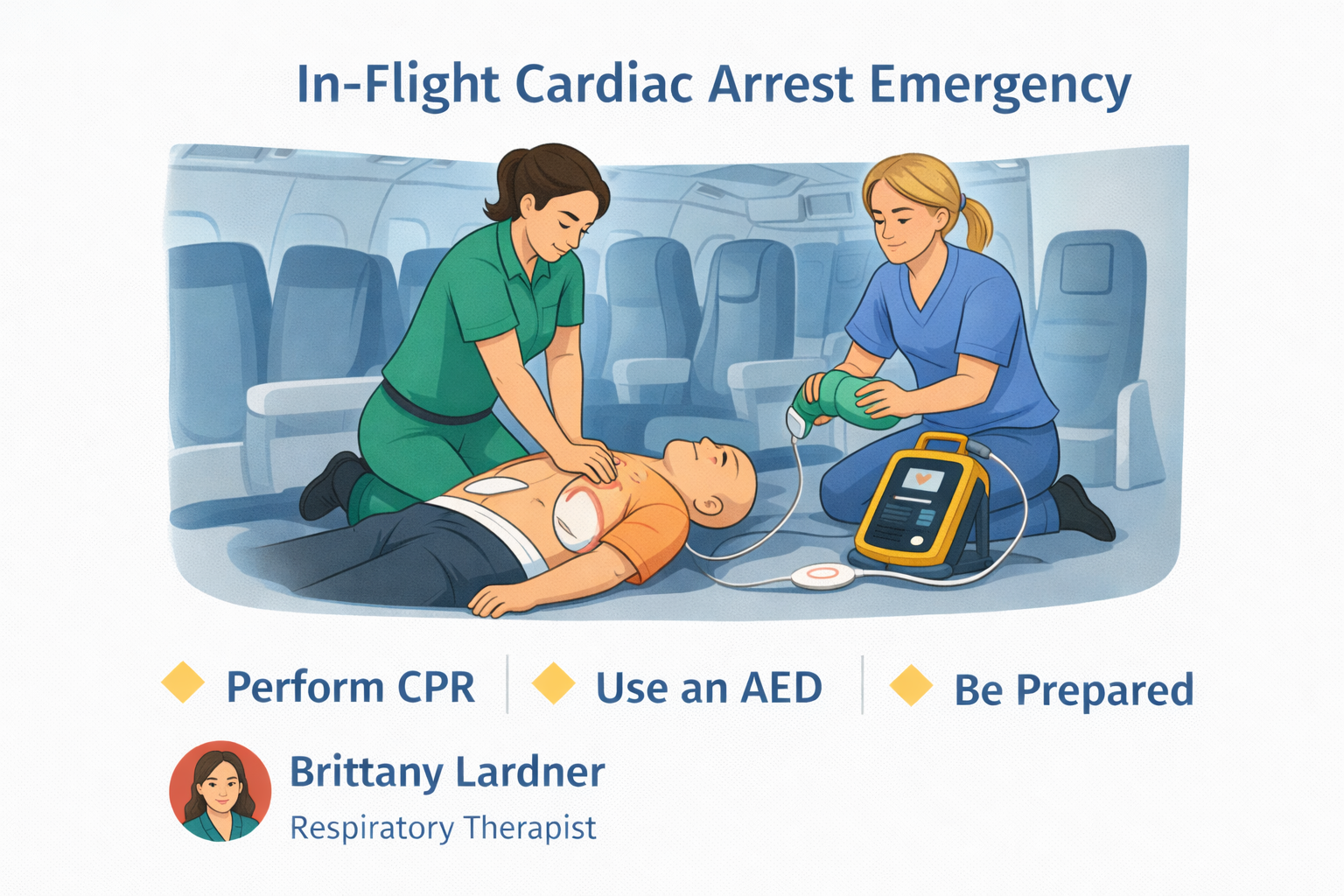 Cardiac arrest occurs when the heart suddenly stops pumping blood effectively. When this happens, oxygen can no longer circulate to the brain and other vital organs. Immediate action—such as cardiopulmonary resuscitation (CPR) and the use of an automated external defibrillator (AED)—can help maintain circulation until professional medical care becomes available.
Across Canada, including British Columbia and the Vancouver region, CPR and AED awareness are strongly encouraged in workplaces and public environments. Medical emergencies can occur anywhere, including airplanes, public transit, offices, or community spaces. Knowing how to respond quickly can help support emergency care during the critical first minutes.
First Aid and Workplace Relevance in Vancouver and British Columbia
Air travel, transportation systems, and workplaces often involve large groups of people in confined environments. Because emergencies may happen unexpectedly, many organizations in British Columbia promote first aid and CPR training for staff and the public.
Understanding how to recognize cardiac arrest, begin CPR, and use an AED is an important component of emergency preparedness in workplaces and public settings.
Scenario: Medical Emergency During a Flight
In a reported incident on a WestJet flight traveling from Honolulu to Calgary, passengers and medical professionals onboard attempted to help an elderly man who experienced a serious medical emergency during the flight.
Brittany Lardner, a respiratory therapist who works at Foothills Hospital in Calgary, was among the passengers. During the flight, she heard flight attendants asking if a nurse or doctor was present onboard. Lardner identified herself and offered assistance.
When she arrived at the front of the aircraft, the elderly passenger was lying unconscious on the floor while another passenger with medical training was performing CPR. Lardner asked the crew for an automated external defibrillator (AED) and airway equipment so they could assist with breathing support.
According to reports, it took approximately 12 to 15 minutes before an AED was located and brought to the scene. Once available, Lardner helped apply the device while CPR continued.
AED devices analyze the heart’s rhythm and determine whether an electrical shock may help restore a normal heartbeat. In this situation, the device did not detect a rhythm that could be treated with a shock. CPR efforts continued for an extended period while additional passengers with medical backgrounds assisted.
Despite ongoing resuscitation attempts, the man remained unresponsive. A physician onboard later assessed the situation and confirmed that resuscitation efforts had been unsuccessful.
Following the incident, Lardner expressed concern about the confusion that occurred while locating the AED and suggested that improved preparedness could help support emergency response during in-flight medical situations.
Signs of Cardiac Arrest
Cardiac arrest can occur suddenly and may involve several noticeable symptoms, including:
-
Sudden collapse
-
Unresponsiveness
-
Absence of normal breathing or gasping breaths
-
No detectable pulse
-
Pale or bluish skin due to reduced oxygen circulation
These signs indicate a medical emergency that requires immediate action.
Causes and Contributing Factors
Cardiac arrest can occur due to several underlying factors, including:
-
Abnormal heart rhythms (arrhythmias)
-
Existing heart conditions
-
Severe illness or medical complications
-
Reduced oxygen supply to the body
-
Age-related health conditions
In some cases, the heart rhythm detected during cardiac arrest may not be treatable with defibrillation, which is why CPR remains essential in maintaining circulation.
First Aid and Emergency Response
In emergencies involving suspected cardiac arrest, early intervention is critical. General first aid response may include:
-
Calling emergency services or alerting trained responders
-
Beginning CPR if the person is unresponsive and not breathing normally
-
Using an AED if one is available
-
Continuing care until medical professionals take over
AEDs are designed to guide users with voice prompts, making them easier for trained individuals to operate during emergencies.
Prevention and Workplace Safety Considerations
While some medical emergencies cannot be predicted, preparedness can help improve response during critical situations.
Helpful safety practices include:
-
Encouraging CPR and AED training among employees and community members
-
Ensuring AED devices are accessible and clearly identified in public spaces
-
Providing emergency response training for staff working in transportation, hospitality, and public service roles
-
Practicing emergency response procedures regularly
Prepared individuals and organizations can help strengthen community safety when unexpected emergencies occur.
Frequently Asked Questions
What does an automated external defibrillator (AED) do?
An AED analyzes the heart’s rhythm and determines whether an electrical shock may help restore a normal heartbeat during cardiac arrest.
Why is CPR important even if an AED is used?
CPR helps maintain blood circulation to vital organs while waiting for emergency medical care and while the AED analyzes the heart rhythm.
Can cardiac arrest occur during travel?
Yes. Medical emergencies can occur anywhere, including during flights, in airports, or while using public transportation.
Do workplaces in Canada encourage CPR and AED training?
Many workplaces promote CPR and AED awareness as part of workplace safety programs and emergency preparedness planning.
Why is quick access to an AED important?
Early defibrillation can be an important part of cardiac arrest response. Having an AED nearby allows trained individuals to provide assistance more quickly.
Educational Note
This article is intended for general public education about cardiac arrest awareness and the role of CPR and AEDs in emergency response. Learning these skills can help individuals respond more confidently in workplaces, public environments, and community settings.
About The Author

Mark Kascha
First Aid Instructor Trainer with 30+ years of experience in CPR, emergency response, and safety training across Canada.
👉 [View full credentials]🔗 View LinkedIn Profile
Last reviewed: March 2026