Understanding Infant CPR and Emergency Response
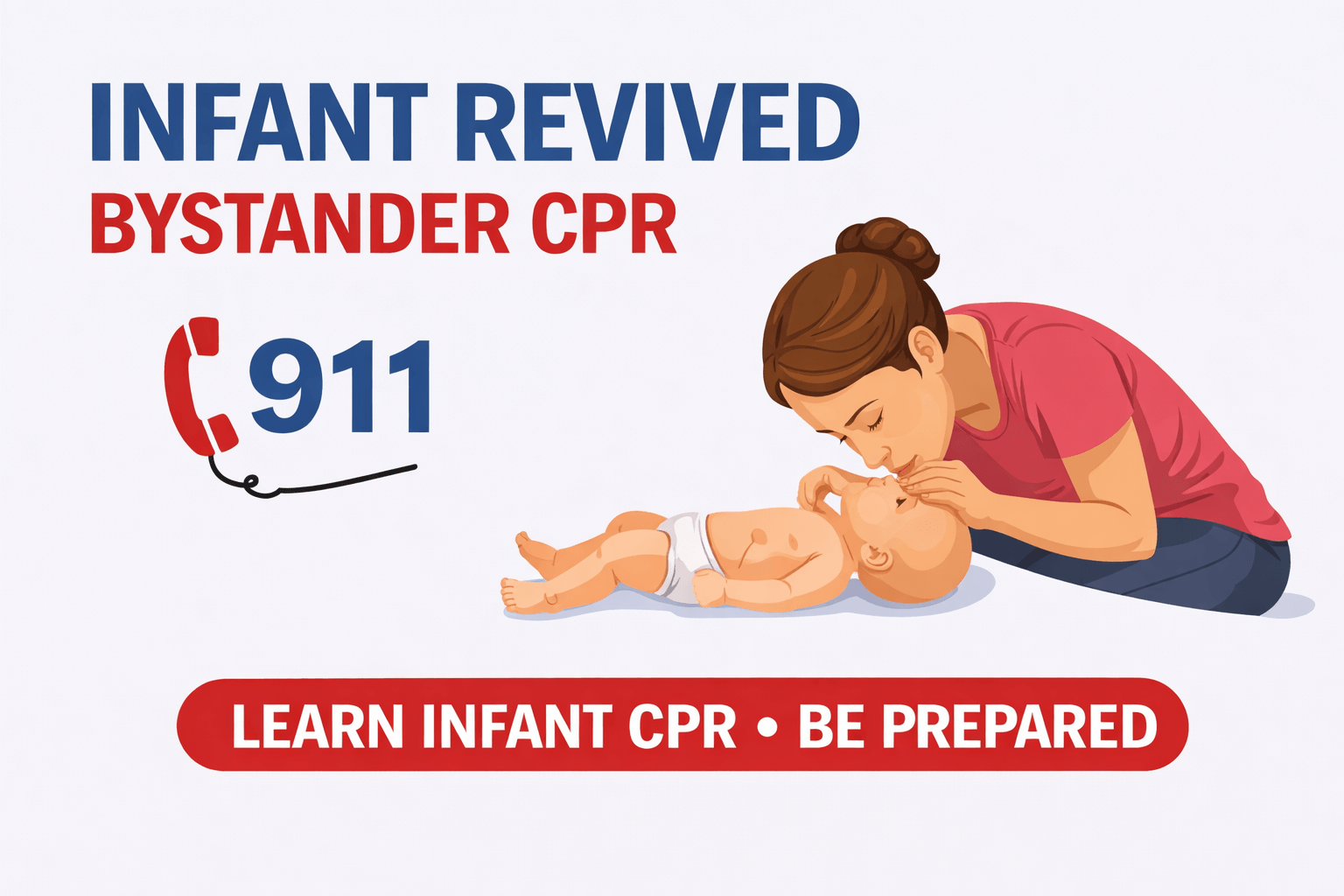 Cardiopulmonary resuscitation (CPR) is a life-saving first aid technique used when a person is unresponsive and not breathing normally. For infants, CPR uses modified techniques designed for smaller bodies and delicate airways. Quick recognition of an emergency and immediate assistance can help support breathing and circulation until professional medical help arrives.
Across British Columbia and the Lower Mainland—including Vancouver, Burnaby, Richmond, Coquitlam, and Surrey—CPR and first aid training are often encouraged for parents, caregivers, teachers, and workplace responders. Emergencies involving children can occur unexpectedly at home, in vehicles, or in public places, which is why community CPR awareness is widely promoted.
First Aid Preparedness in Homes and Communities
In many communities across Canada, emergency services encourage the public to learn CPR and basic first aid skills. However, even if someone has not completed a formal course, 911 dispatchers can provide instructions during emergencies to guide callers through life-saving steps.
This approach is often referred to as dispatcher-assisted CPR, where trained emergency operators help bystanders provide assistance until responders arrive.
A Quick Response During a Roadside Emergency
An example of this rapid response occurred in Ottawa, when the parents of a three-month-old baby noticed their child had become unresponsive while driving along St. Laurent Boulevard.
Concerned about the baby’s condition, they stopped their vehicle on an overpass near Innes Road. One person ran approximately 400 metres to Fire Station No. 36 on Industrial Avenue to seek help while others contacted emergency services.
While waiting for responders, bystanders remained on the phone with a 911 ambulance dispatcher, who guided them step-by-step through the process of providing infant CPR.
Bystanders and Emergency Services Work Together
By the time firefighters arrived, several people had already stepped in to assist. A City of Ottawa parking enforcement officer had stopped to help, and bystanders continued following the dispatcher’s instructions.
Emergency responders soon took over care and transported the infant to the Children’s Hospital of Eastern Ontario, where she was later reported to be in stable condition.
Paramedics noted that bystander CPR is an important early link in the “chain of survival,” which refers to the sequence of actions that can help support a person during a medical emergency.
Why Early CPR Is Important
When someone becomes unresponsive and stops breathing normally, oxygen flow to the brain and vital organs can quickly decrease. Early assistance from bystanders can help support circulation and breathing until professional medical care arrives.
First aid training programs often highlight several key steps in emergency response:
-
Recognizing that a person is unresponsive
-
Calling emergency medical services immediately
-
Beginning CPR if the person is not breathing normally
-
Continuing assistance until responders arrive
Emergency dispatchers can help guide callers through these steps when necessary.
Signs of a Possible Infant Medical Emergency
Infants may show different signs of distress compared to older children or adults. Situations requiring immediate attention may include:
-
Unresponsiveness or difficulty waking the infant
-
No normal breathing or very irregular breathing
-
Sudden limpness or lack of movement
-
Skin colour changes such as pale or bluish tone
-
Seizure-like movements
Recognizing these warning signs and calling emergency services promptly can help ensure the infant receives rapid care.
Prevention and Preparedness for Families and Caregivers
Although emergencies cannot always be predicted, several safety measures can help families and caregivers prepare:
-
Learning infant CPR and first aid techniques
-
Keeping emergency numbers easily accessible
-
Ensuring caregivers and childcare staff understand emergency procedures
-
Supervising infants closely during feeding and sleep
-
Participating in first aid training programs
Across Vancouver and the Lower Mainland, CPR and first aid training courses are widely available for parents, educators, and community members who want to be prepared to assist during emergencies.
Preparedness and awareness help build safer homes and communities.
Frequently Asked Questions
What is infant CPR?
Infant CPR is a modified form of cardiopulmonary resuscitation designed for babies under one year old. The technique uses gentler compressions and rescue breaths appropriate for an infant’s size.
Can a 911 dispatcher guide someone through CPR?
Yes. Emergency dispatchers are trained to provide step-by-step instructions during emergencies. They can help callers recognize the situation and begin CPR until professional responders arrive.
Why is bystander CPR important?
Bystander CPR helps provide early assistance during emergencies. Immediate action can help support circulation and breathing while waiting for paramedics.
Should parents learn infant first aid?
Many safety organizations encourage parents, caregivers, and childcare workers to learn infant first aid and CPR so they are prepared for potential emergencies.
Where can people learn CPR in Canada?
CPR and first aid training courses are offered by many organizations, community programs, and workplace training providers across Canada.
Educational Note
This article is intended for general public education about first aid awareness and emergency preparedness. Participating in certified CPR and first aid training helps individuals learn practical skills for recognizing emergencies and responding safely.
About The Author

Mark Kascha
First Aid Instructor Trainer with 30+ years of experience in CPR, emergency response, and safety training across Canada.
Last reviewed: March 2026
 Support local, Canadian-owned businesses, with no connections to American corporations or partnerships.