Understanding Cardiac Arrest and Emergency Response
 Cardiac arrest occurs when the heart suddenly stops pumping blood effectively. When this happens, oxygen can no longer circulate to the brain and other vital organs. Immediate response—such as cardiopulmonary resuscitation (CPR) and advanced medical care—may help support circulation until professional treatment is available.
Across Canada, including British Columbia and the Vancouver region, first aid and CPR training are commonly encouraged in workplaces and institutional environments. Facilities such as correctional centres, healthcare settings, and public institutions often rely on trained staff and emergency responders to assist individuals experiencing medical distress.
First Aid and Workplace Relevance in Vancouver and British Columbia
Workplace safety programs in British Columbia often include first aid and CPR training so employees can respond during medical emergencies. Institutional environments—such as correctional facilities, hospitals, and large workplaces—typically have procedures for contacting emergency services and providing immediate care when someone experiences a serious medical event.
Knowing how to recognize breathing difficulties, seizures, or loss of consciousness can help staff respond quickly while waiting for paramedics.
Scenario: Medical Emergency in a Correctional Facility
Matthew Hines, a 33-year-old inmate at Dorchester Penitentiary in New Brunswick, experienced a medical emergency while in custody.
Reports indicated that correctional officers were attempting to return Hines to his cell when a confrontation occurred. During the incident, officers restrained and handcuffed him, and pepper spray was used multiple times at close range.
Afterward, officers brought Hines to a shower area in an attempt to wash off the spray. While still restrained, he began showing signs of medical distress.
Witness accounts described symptoms including breathing difficulty and seizure activity. Staff members contacted emergency services while others attempted to assist the inmate.
Paramedics were dispatched and arrived approximately 21 minutes later, which fell within the expected response time for rural communities.
Hines was placed on a stretcher and transported by ambulance. During transport, his breathing difficulties continued. Paramedics attempted airway support while transferring him to the hospital.
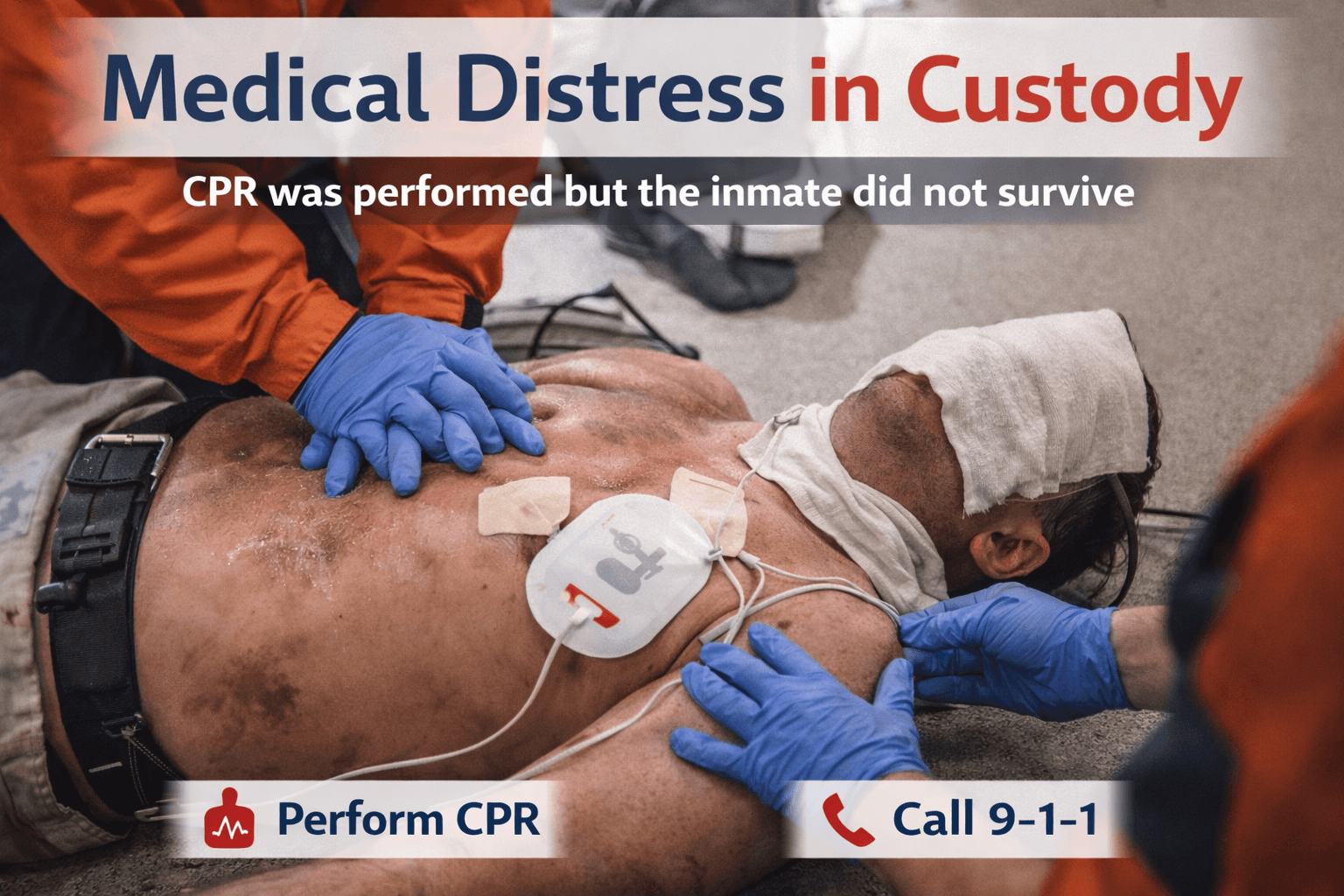
During the trip, his condition worsened. At one point, he stopped breathing and his heart stopped beating. Paramedics began CPR and continued resuscitation efforts for approximately 20 minutes.
Despite these attempts, Hines could not be revived and was later pronounced dead at the hospital.
Signs of Medical Distress
Individuals experiencing serious medical distress may show several warning signs, including:
-
Difficulty breathing or shortness of breath
-
Seizures or convulsions
-
Loss of consciousness
-
Confusion or disorientation
-
Bluish skin colour due to reduced oxygen circulation
These symptoms require immediate medical attention.
Possible Factors in Medical Emergencies
Medical emergencies in institutional settings may involve a variety of contributing factors. These can include:
-
Underlying medical conditions
-
Respiratory distress
-
Exposure to irritants or chemicals
-
Drug-related complications
-
Severe physical stress or trauma
Healthcare professionals and investigators typically review incidents carefully to better understand the circumstances involved.
First Aid and Emergency Response
In emergencies where a person becomes unresponsive or stops breathing normally, rapid response is critical. Emergency procedures in workplaces and institutional settings often include:
-
Calling emergency services immediately
-
Monitoring breathing and responsiveness
-
Providing first aid or CPR if necessary
-
Maintaining airway support until medical professionals arrive
Paramedics may provide additional care such as airway management, oxygen support, and transport to hospital for further treatment.
Workplace Safety and Emergency Preparedness
Institutions and workplaces can strengthen safety by maintaining clear emergency procedures and trained personnel.
Preparedness measures often include:
-
Providing first aid and CPR training for staff
-
Establishing emergency communication protocols
-
Maintaining medical equipment and response plans
-
Practicing emergency response procedures regularly
Prepared staff and responders can help improve response during unexpected medical incidents.
Frequently Asked Questions
What is CPR used for during medical emergencies?
CPR is used when someone’s heart stops beating or they stop breathing normally. It helps maintain blood circulation until advanced medical care is available.
Why is rapid emergency response important?
Quick recognition of medical distress and early assistance can help support vital functions while waiting for paramedics.
Can seizures occur during medical emergencies?
Yes. Seizures may occur due to several medical conditions or complications and require prompt medical attention.
Do workplaces often train employees in first aid and CPR?
Many workplaces include first aid and CPR training as part of occupational safety programs.
Why are emergency procedures important in institutions?
Clear emergency protocols help staff respond quickly and coordinate with medical responders during serious incidents.
Educational Note
This article is intended for general public education about emergency preparedness and the role of CPR during medical distress. Learning first aid and CPR can help individuals respond more confidently in workplaces and institutional environments.
About The Author

Mark Kascha
First Aid Instructor Trainer with 30+ years of experience in CPR, emergency response, and safety training across Canada.
Last reviewed: March 2026
 Support local, Canadian-owned businesses, with no connections to American corporations or partnerships.