
Understanding Cardiac Emergencies in Sports
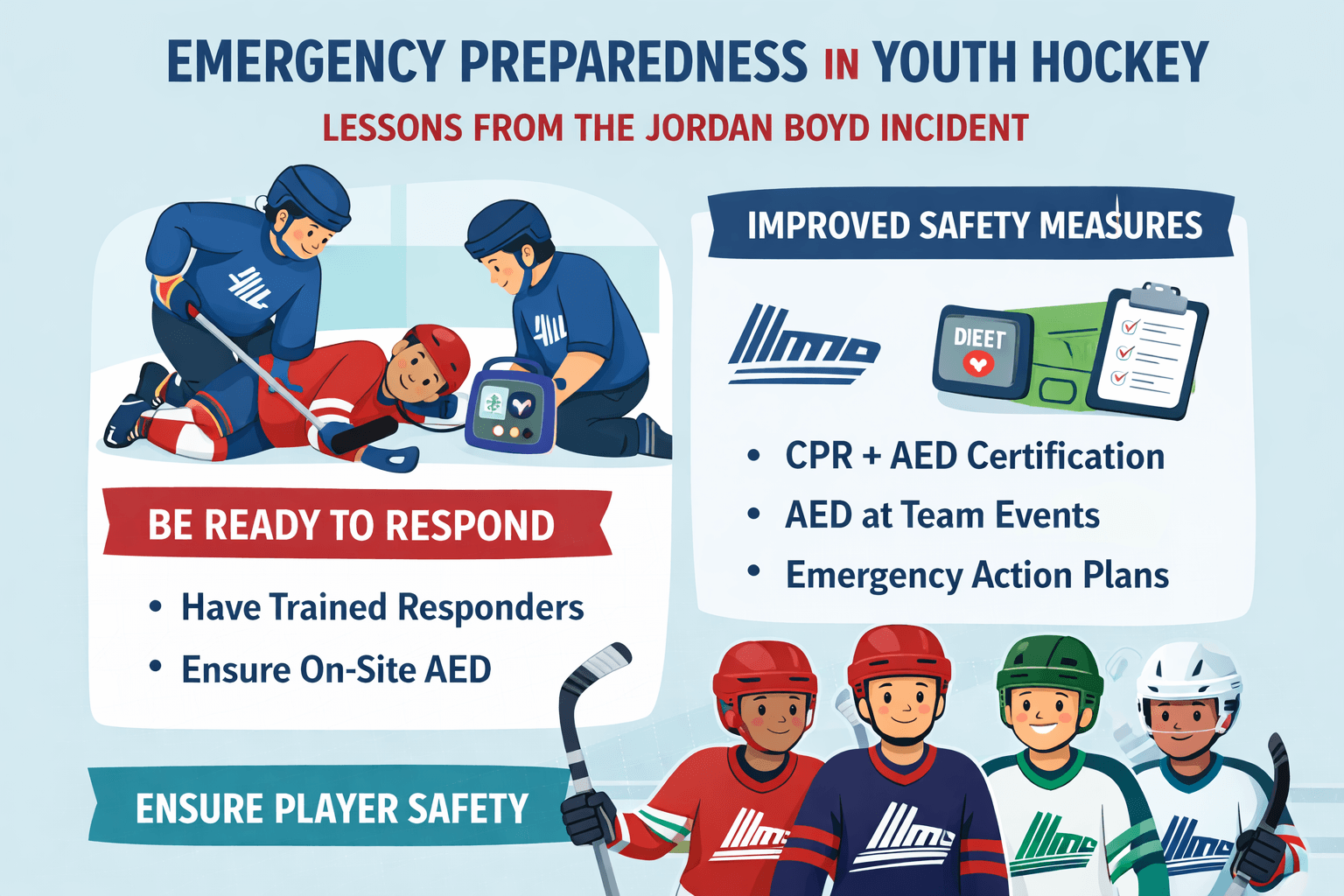 Sudden cardiac arrest is a rare but serious medical emergency that can occur during intense physical activity, including competitive sports. When the heart suddenly stops pumping effectively, blood flow to the brain and other vital organs is disrupted. Immediate recognition and a rapid emergency response—including CPR and access to an automated external defibrillator (AED)—can play an important role in emergency care while paramedics are on the way.
Across Canada, including British Columbia and the Lower Mainland, many sports organizations, schools, and workplaces are strengthening emergency preparedness policies. First aid training, AED availability, and clearly defined emergency procedures help ensure that staff and bystanders are prepared to respond if a medical emergency occurs.
First Aid Readiness in Sports and Workplaces in British Columbia
In communities such as Vancouver, Burnaby, Richmond, Coquitlam, and Abbotsford, organized sports leagues and recreational facilities increasingly include first aid preparedness as part of their safety planning. Coaches, trainers, and staff are often encouraged to complete CPR and AED training to support athlete safety.
Similar safety principles apply in workplaces throughout British Columbia. Having trained responders, accessible first aid equipment, and emergency action plans helps organizations respond more effectively when unexpected medical events occur.
Sports organizations across Canada have also introduced stronger safety measures following past incidents that highlighted the importance of rapid emergency response.
A Hockey Community Responds After a Tragic Incident
In 2008, Jordan Boyd, a 16-year-old hockey player, collapsed during training camp for the Acadie-Bathurst Titan, a team in the Quebec Major Junior Hockey League (QMJHL). The collapse occurred on the ice during a conditioning skate in Bathurst, New Brunswick.
Jordan was later found to have an undiagnosed heart condition, and the incident deeply affected the hockey community. Reports following the event indicated that several minutes passed before CPR and defibrillation efforts began. Investigations also raised concerns about the availability of an AED and the effectiveness of the initial emergency response.
The tragedy prompted significant reflection within the league about the importance of first aid readiness, emergency planning, and rapid access to life-saving equipment.
Why Immediate Emergency Response Matters
During sudden cardiac arrest, quick action can make a meaningful difference in emergency response outcomes. Public health guidance often emphasizes that every minute without assistance can reduce the chances of survival, which is why immediate recognition, CPR, and early use of an AED are emphasized in first aid training.
In athletic environments—where intense activity may place additional strain on the heart—having trained responders and accessible emergency equipment can help ensure that medical assistance begins as quickly as possible.
Signs of Sudden Cardiac Arrest During Sports
Although rare in young athletes, sudden cardiac arrest may involve signs such as:
-
Sudden collapse during physical activity
-
Loss of consciousness
-
Unresponsiveness
-
Irregular or absent breathing
-
No detectable pulse
These situations require an immediate emergency response and activation of emergency medical services.
Causes and Risk Factors
Sudden cardiac arrest in athletes may be linked to several possible factors, including:
-
Undiagnosed structural heart conditions
-
Abnormal heart rhythms (arrhythmias)
-
Congenital heart abnormalities
-
Electrical disturbances affecting the heart
-
Intense physical exertion combined with underlying heart disease
Many of these conditions may not show obvious symptoms beforehand, which is why emergency preparedness in sports settings is considered important.
Safety Improvements Introduced in the Quebec Major Junior Hockey League
Following Jordan Boyd’s death, the QMJHL introduced several changes aimed at strengthening player safety and emergency preparedness.
Key measures implemented by the league include:
-
Each team must have at least three staff members trained in CPR and life-saving techniques, including AED use
-
Two trained responders must be present during games, practices, tryouts, and team events
-
Every team must have access to its own AED, typically carried by the team trainer or athletic therapist
-
Teams must report annually which staff members hold valid life-saving certifications
-
The league conducts regular compliance checks to ensure teams meet the safety requirements
These changes reflect a broader effort to improve emergency preparedness within competitive sports environments.
Prevention and Emergency Planning in Sports and Workplaces
While cardiac arrest cannot always be prevented, many organizations take steps to strengthen emergency preparedness, including:
-
Providing CPR and AED training for coaches, trainers, and staff
-
Ensuring AED devices are easily accessible at sporting venues
-
Creating clear emergency action plans for games and practices
-
Practicing emergency response procedures regularly
-
Encouraging awareness of athlete health and medical screening where appropriate
Across Vancouver and the Lower Mainland, similar safety practices are increasingly common in sports organizations, recreation centres, and workplaces.
Preparedness, training, and awareness can help communities respond more effectively if a medical emergency occurs.
Frequently Asked Questions
Why are AEDs important in sports facilities?
AEDs can analyze the heart’s rhythm and deliver a controlled electrical shock if needed. Having an AED readily available in sports environments allows trained responders to assist quickly during a cardiac emergency.
Can coaches and trainers learn CPR and AED skills?
Yes. Many first aid programs in Canada provide CPR and AED training designed for coaches, teachers, workplace responders, and community members.
Why is an emergency action plan important for sports teams?
Emergency action plans outline how staff should respond if a medical emergency occurs. Clear procedures help ensure responders know how to contact emergency services, locate equipment, and begin assistance quickly.
Are cardiac emergencies common among young athletes?
Cardiac arrest in youth sports is relatively rare, but it can occur due to undiagnosed heart conditions. Because of this possibility, many sports organizations emphasize preparedness and training.
What role does bystander response play during cardiac arrest?
Bystanders are often the first people available to assist before paramedics arrive. Training in CPR and AED awareness helps individuals recognize emergencies and respond appropriately.
Educational Note
This article is intended for general public education about first aid awareness and emergency preparedness in sports and community settings. Hands-on CPR and first aid training can help individuals learn how to recognize emergencies and respond safely within their level of training.
About The Author

Mark Kascha
First Aid Instructor Trainer with 30+ years of experience in CPR, emergency response, and safety training across Canada.
👉 [View full credentials]🔗 View LinkedIn Profile
Last reviewed: March 2026
The implementation of mandatory CPR and AED training, alongside measures to ensure their availability at all events, signifies a powerful dedication to player safety.