
Understanding Railway Workplace Hazards
Railway environments involve heavy equipment, moving railcars, and limited visibility, which can create serious safety risks. Incidents involving trains or railcars can result in severe injuries due to impact, crushing, or entrapment.
In these situations, immediate first aid and emergency response are critical in supporting the injured person until advanced medical care arrives.
First Aid & Workplace Relevance in Vancouver and the Lower Mainland
Across Vancouver, Burnaby, Richmond, Surrey, and the Lower Mainland, rail yards, industrial sites, and transportation sectors require strong safety protocols.
Workers in these environments benefit from first aid training, hazard awareness, and clear emergency procedures, as incidents can happen quickly and require immediate response.
Real Incident Overview
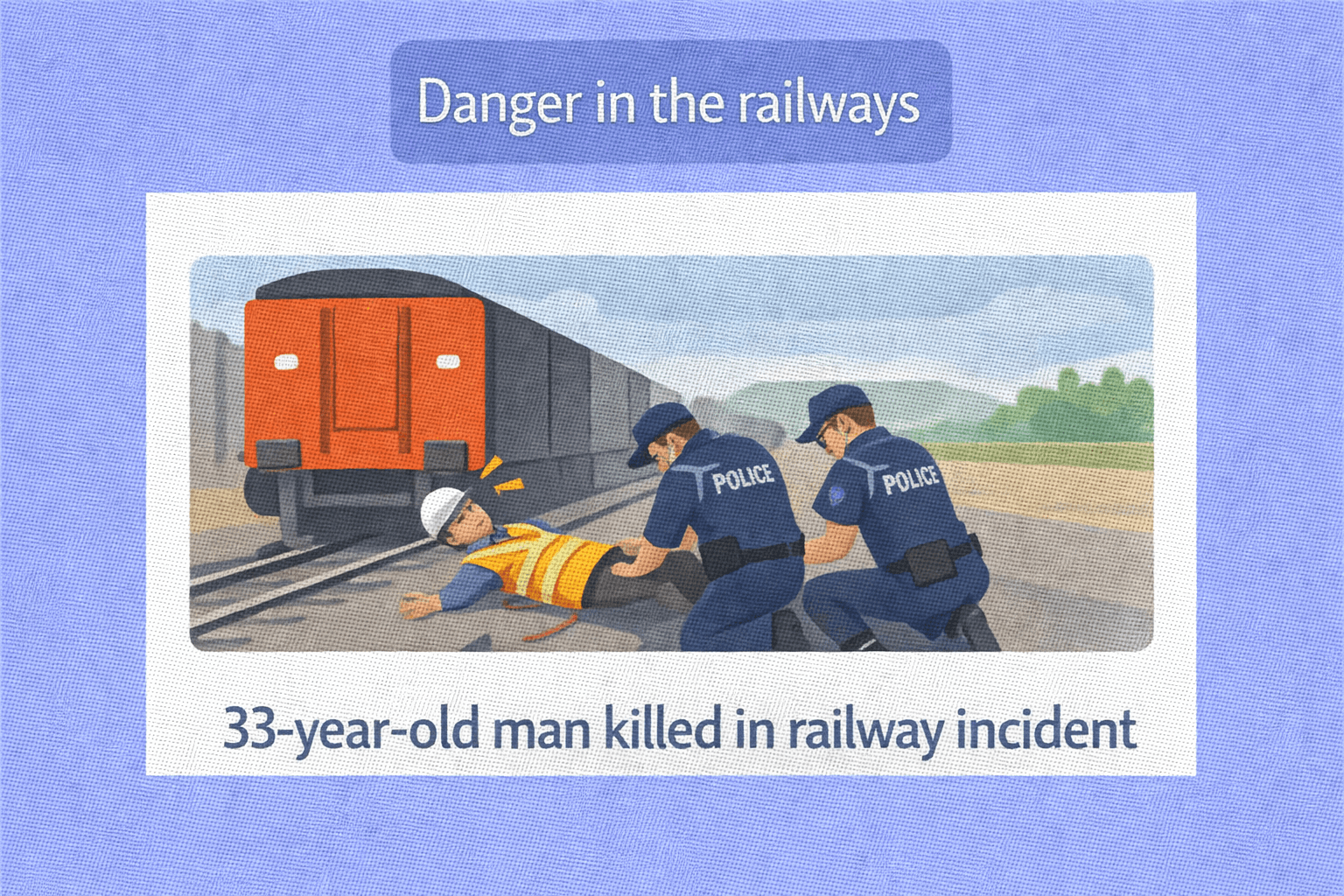 In Edmundston, New Brunswick, a 33-year-old railway worker and father of two was fatally injured in a railyard incident.
According to reports from the Transportation Safety Board of Canada, the man—who was working as a conductor and foreman trainee—was struck by a railcar while it was reversing.
Emergency responders attended the scene, and in a related railway incident referenced in reports, police officers provided life-saving first aid before transporting the injured individual to a healthcare facility with life-threatening injuries.
This tragedy followed another serious railway-related incident within a two-week period, where a Via Rail employee was struck by a train in Truro, Nova Scotia.
Union representatives noted that this incident marked multiple serious injuries and fatalities within the rail industry over a short timeframe, highlighting the importance of workplace safety and preparedness.
Common Injuries in Railway Incidents
Railway-related injuries may include:
-
Crush injuries
-
Fractures or severe trauma
-
Internal injuries
-
Head, neck, or spinal injuries
-
Bleeding or shock
These injuries often require immediate medical attention.
Signs of Serious Workplace Injury
A person may show:
-
Unresponsiveness or confusion
-
Visible injuries or bleeding
-
Difficulty breathing
-
Severe pain or inability to move
-
Signs of shock (pale, clammy skin)
Recognizing these signs helps guide first aid response.
First Aid Response in Serious Incidents
If a workplace injury occurs:
-
Ensure scene safety before approaching
-
Call 911 immediately
-
Do not move the person unless necessary for safety
-
Control any visible bleeding with direct pressure
-
Keep the person still and calm
-
Monitor breathing and responsiveness
If the person becomes unresponsive and is not breathing normally, CPR may be required.
Prevention and Workplace Safety Considerations
To improve safety in railway and industrial environments:
-
Follow established safety procedures and training
-
Maintain awareness of moving equipment
-
Use proper communication and signalling systems
-
Wear appropriate personal protective equipment (PPE)
-
Ensure workers are trained in first aid and emergency response
Prevention and preparedness are key to reducing workplace risks.
Frequently Asked Questions
Why are railway environments considered high-risk workplaces?
They involve heavy moving equipment, limited visibility, and complex operations.
What should I do if someone is injured at a worksite?
Ensure safety, call emergency services, and provide first aid if trained.
Why is it important not to move an injured person?
Movement can worsen injuries, especially to the spine.
What type of injuries are common in rail incidents?
Crush injuries, fractures, and trauma are among the most common.
How can workplaces reduce serious incidents?
Through training, safety procedures, and awareness of hazards.
Educational Note
This article is intended for general first aid awareness and workplace safety education in Canada. Learning first aid skills can help individuals respond effectively during workplace emergencies.
About The Author

Mark Kascha
First Aid Instructor Trainer with 30+ years of experience in CPR, emergency response, and safety training across Canada.
👉 [View full credentials]🔗 View LinkedIn Profile
Last reviewed: March 2026