
Community First Aid Response: Recognizing Life-Saving Actions in Public Spaces
Understanding Emergency First Aid in Community Settings
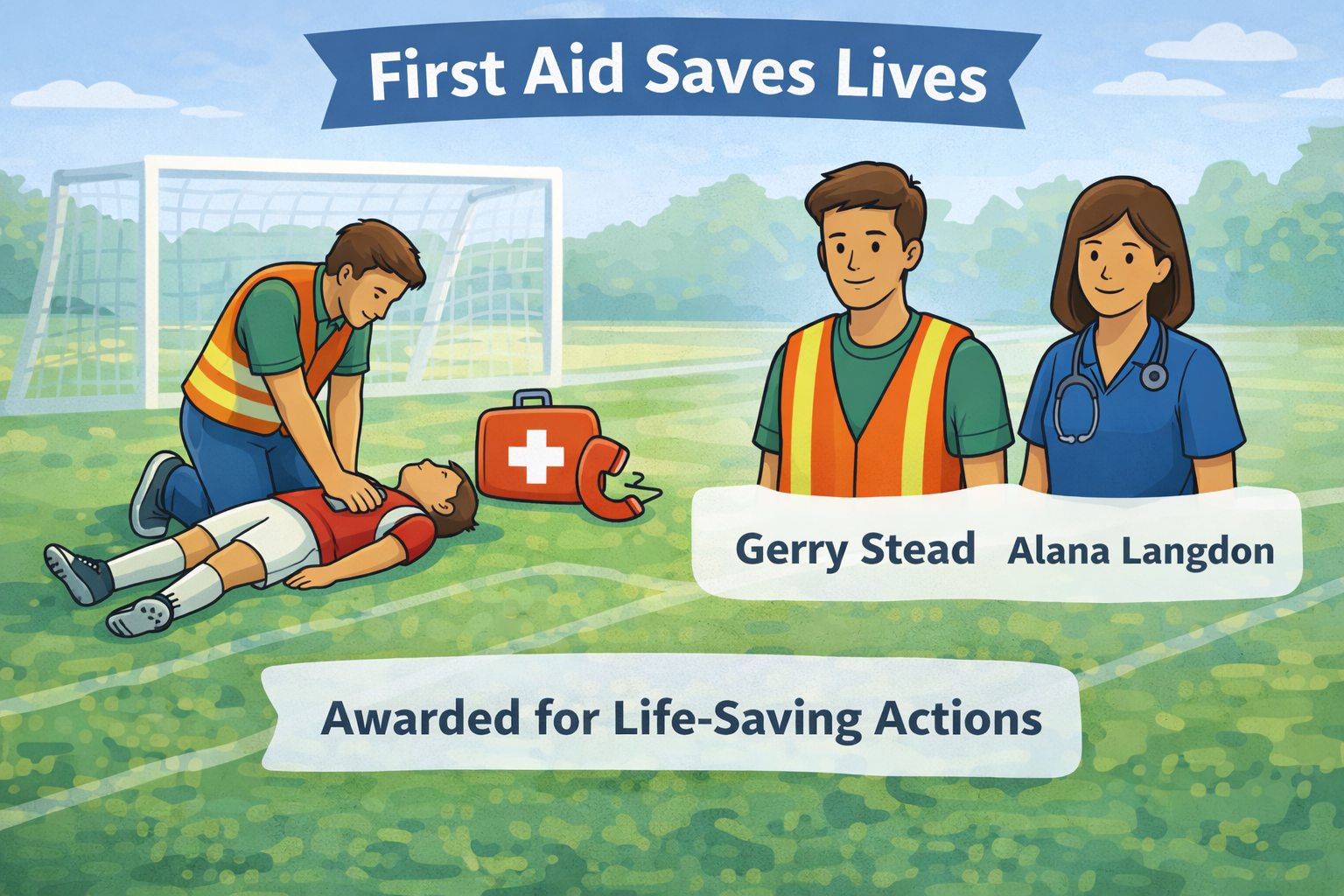 Medical emergencies can happen unexpectedly in public spaces such as parks, sports fields, schools, and community centres. When an emergency occurs, bystanders with first aid or CPR training may be able to provide immediate assistance until professional medical responders arrive.
Across Canada, including Vancouver and British Columbia, many workplaces, recreation programs, and community organizations encourage individuals to complete first aid and CPR training. These skills help people recognize emergencies, respond calmly, and support emergency services when incidents occur.
First Aid and Workplace Safety Relevance in Vancouver and British Columbia
In Vancouver and throughout BC, first aid education is commonly promoted in workplaces, schools, and sports organizations. Community recreation facilities and youth sports programs often include emergency preparedness planning to help respond to injuries or medical events.
Many employers—especially those involved in public recreation, healthcare, education, and community services—encourage staff to maintain first aid and CPR certification. Having trained individuals present in community settings can help ensure that someone is prepared to provide assistance if an emergency occurs.
Scenario: Emergency Response at a Community Soccer Field
In a reported incident at the Topsail artificial turf soccer pitch in Conception Bay South, Newfoundland and Labrador, an emergency occurred during a youth soccer skills camp organized by the local soccer association.
During the event, an 11-year-old player was seriously injured during an unexpected incident involving a bystander. Two individuals present at the field quickly stepped forward to assist.
Gerry Stead, a safety specialist with 3M Canada, and Alana Langdon, a community health nurse, began providing first aid and CPR to the injured child while others contacted emergency services.
Their actions helped stabilize the situation until paramedics arrived and took over medical care.
In recognition of their response, both individuals were later honoured with Rescuer Awards for their life-saving efforts.
Following medical treatment and several surgeries over an extended recovery period, the young athlete was eventually able to return to normal activities and resume playing soccer.
Recognizing Signs of a Serious Emergency
In community environments such as sports fields or recreation areas, emergencies may involve injuries or sudden medical distress. Signs that someone may require urgent assistance can include:
-
Loss of consciousness or collapse
-
Severe bleeding or visible injury
-
Difficulty breathing
-
Lack of responsiveness when spoken to
-
Confusion or unusual behaviour following an injury
Recognizing these warning signs early can help ensure emergency services are contacted quickly.
First Aid Awareness in Public Emergencies
When an emergency occurs in a public setting, trained bystanders may help provide assistance while waiting for professional responders.
General first aid awareness may include:
-
Calling emergency services immediately
-
Ensuring the surrounding area is safe before assisting
-
Providing first aid measures within the responder’s level of training
-
Monitoring the injured person until paramedics arrive
-
Helping guide emergency responders to the exact location
These early actions can help support emergency response efforts and provide care until trained medical professionals take over.
Prevention and Safety Considerations in Community Sports
Community sports programs and recreation facilities often take steps to improve safety for participants. Safety practices commonly include:
-
Having trained first aid attendants present during events
-
Maintaining emergency action plans for coaches and organizers
-
Ensuring clear communication procedures for contacting emergency services
-
Monitoring public access to sports facilities
-
Encouraging coaches and volunteers to complete CPR and first aid training
Across Canada, these safety measures help youth sports organizations prepare for unexpected incidents.
Frequently Asked Questions
Why is first aid training useful in community sports settings?
Sports activities involve physical movement and occasional injuries. Having trained responders present can help ensure someone is prepared to assist until professional medical responders arrive.
What should bystanders do if an emergency occurs at a sports field?
The first step is to contact emergency services. Bystanders may then provide assistance if they have appropriate first aid training while ensuring the environment is safe.
Why are emergency response plans important for recreation programs?
Emergency plans help coaches, volunteers, and facility staff respond quickly and coordinate actions such as contacting emergency services and guiding responders to the location.
How can communities encourage emergency preparedness?
Communities often promote first aid education, CPR training, and safety awareness programs to help residents feel more confident responding during emergencies.
Why are Rescuer Awards sometimes given after emergencies?
Recognition programs highlight individuals who respond quickly and help others during emergencies. These stories also raise awareness about the importance of first aid training.
Educational Note
This article is intended for general first aid awareness and public safety education. Emergencies can involve complex medical situations, and trained emergency responders are equipped to provide advanced care. Learning first aid and CPR principles can help individuals respond more confidently if an unexpected emergency occurs in a public setting.
About The Author

Mark Kascha
First Aid Instructor Trainer with 30+ years of experience in CPR, emergency response, and safety training across Canada.
👉 [View full credentials]🔗 View LinkedIn Profile
Last reviewed: March 2026