
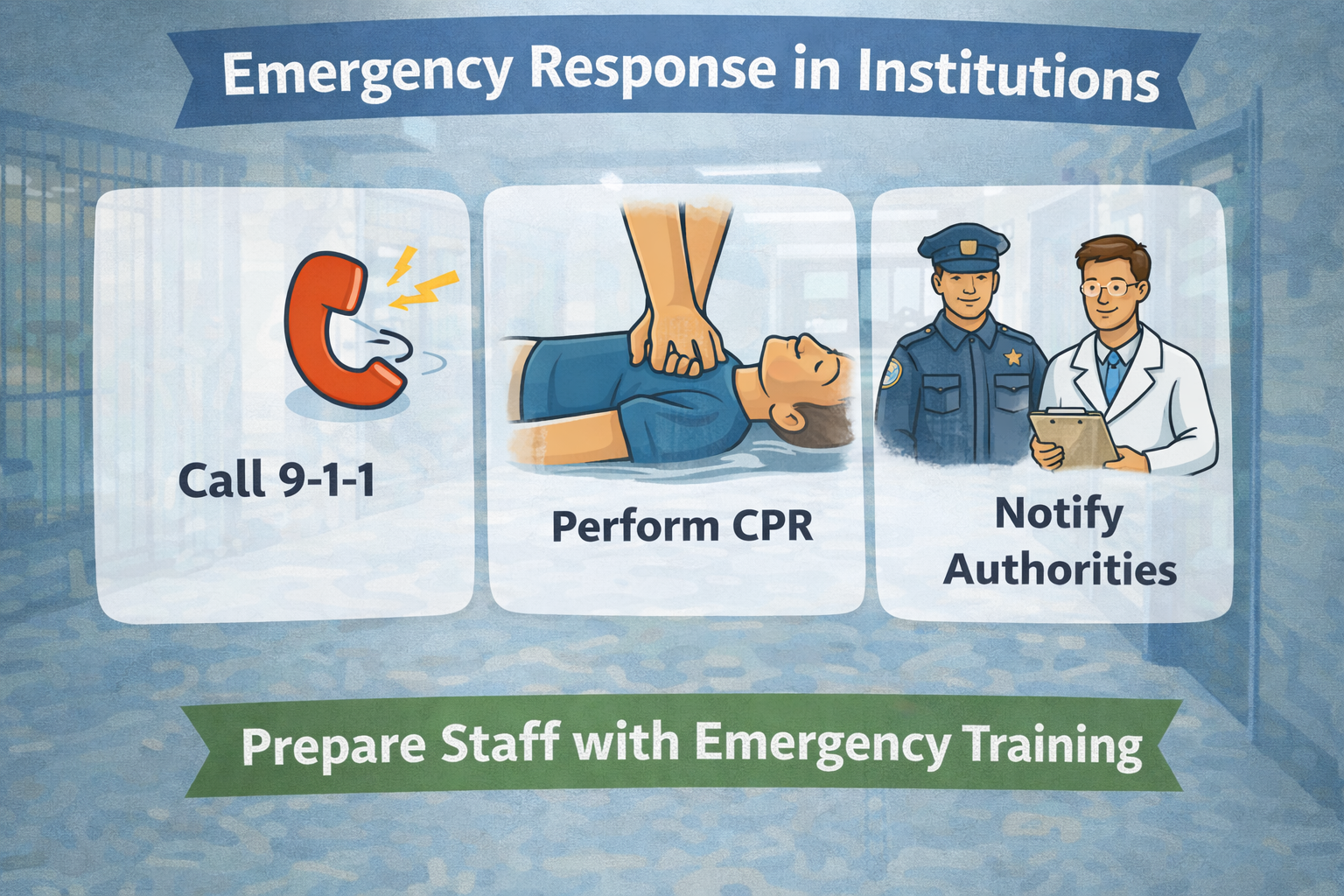
 Medical emergencies can occur in any environment, including workplaces, community facilities, and institutional settings. When a person suddenly collapses and stops breathing normally, immediate response from trained individuals can help support life until professional medical responders arrive.
Across Canada, including Vancouver and British Columbia, first aid training programs emphasize the importance of CPR (cardiopulmonary resuscitation) and AED awareness in many types of workplaces. These skills help staff recognize emergencies quickly and begin life-saving measures while emergency services are on the way.
First Aid and Workplace Safety Relevance in Vancouver and British Columbia
Many workplaces in Vancouver and throughout BC maintain emergency response plans that include CPR training, first aid attendants, and access to emergency equipment such as automated external defibrillators (AEDs).
These safety practices are common in environments where staff are responsible for the safety and well-being of others. Facilities such as community centres, schools, correctional institutions, and healthcare environments often train staff to respond to medical emergencies until paramedics arrive.
Workplace first aid education helps ensure employees are prepared to recognize and respond appropriately during unexpected medical events.
Scenario: Medical Emergency in a Correctional Facility
In a reported incident at Dorchester Penitentiary in New Brunswick, staff members responded to a medical emergency involving an inmate.
According to a release from Correctional Service Canada, a 49-year-old man named Zane Weatherbee was found unresponsive in his cell. At the time, he had been serving an indeterminate sentence that began in November 1982.
Staff members quickly began emergency response procedures and attempted CPR while contacting emergency medical services.
Despite these efforts, the individual could not be revived.
As is standard procedure in cases involving the death of an inmate, police and the coroner were notified, and Correctional Service Canada began reviewing the circumstances surrounding the incident.
Investigations following medical emergencies help determine the cause of death and identify any factors that may contribute to future safety improvements.
Recognizing Signs of Sudden Cardiac Arrest
Sudden cardiac arrest can occur unexpectedly and may happen in a variety of environments. Signs that may indicate cardiac arrest include:
-
Sudden collapse
-
Loss of responsiveness
-
Absence of normal breathing
-
No detectable pulse
-
Gasping or irregular breathing
Recognizing these signs quickly allows trained individuals to begin emergency response procedures.
First Aid Awareness: The Role of CPR
CPR is a life-support technique used when a person is unresponsive and not breathing normally. First aid training programs commonly teach responders to:
-
Contact emergency services immediately
-
Check for responsiveness and breathing
-
Begin chest compressions if cardiac arrest is suspected
-
Retrieve and use an AED if available
-
Continue assistance until emergency responders arrive
These actions help circulate oxygen-rich blood to vital organs until advanced medical care becomes available.
Emergency Preparedness in Institutional Workplaces
Facilities that house or supervise large groups of people often implement structured emergency response procedures. These safety measures may include:
-
Training staff in CPR and first aid response
-
Ensuring access to emergency medical equipment such as AEDs
-
Establishing clear procedures for contacting emergency services
-
Conducting incident reviews to improve safety practices
-
Coordinating with local emergency responders
Across Canadian workplaces and institutional environments, these preparedness measures help staff respond effectively during medical emergencies.
Frequently Asked Questions
What is CPR and when is it used?
CPR (cardiopulmonary resuscitation) is an emergency procedure used when someone is unresponsive and not breathing normally. It helps circulate oxygenated blood until professional medical care arrives.
Why are staff trained in CPR in many workplaces?
Medical emergencies can happen anywhere. Training staff in CPR helps ensure someone nearby can begin emergency response while waiting for paramedics.
What role do investigations play after a sudden death?
Investigations by authorities such as police and coroners help determine the cause of death and review whether any safety improvements may be needed.
Why is emergency preparedness important in institutional settings?
Facilities that supervise many individuals must be ready to respond quickly to medical emergencies. Training and equipment help staff respond efficiently.
How can individuals learn CPR?
Many community organizations and training providers across Canada offer CPR and first aid courses that teach emergency response skills.
Educational Note
This article is intended for general first aid awareness and emergency preparedness education. Medical emergencies can involve complex health conditions, and trained emergency responders provide advanced care. Learning CPR and first aid principles can help individuals respond more effectively when unexpected medical situations occur.
About The Author

Mark Kascha
First Aid Instructor Trainer with 30+ years of experience in CPR, emergency response, and safety training across Canada.
👉 [View full credentials]🔗 View LinkedIn Profile
Last reviewed: March 2026