
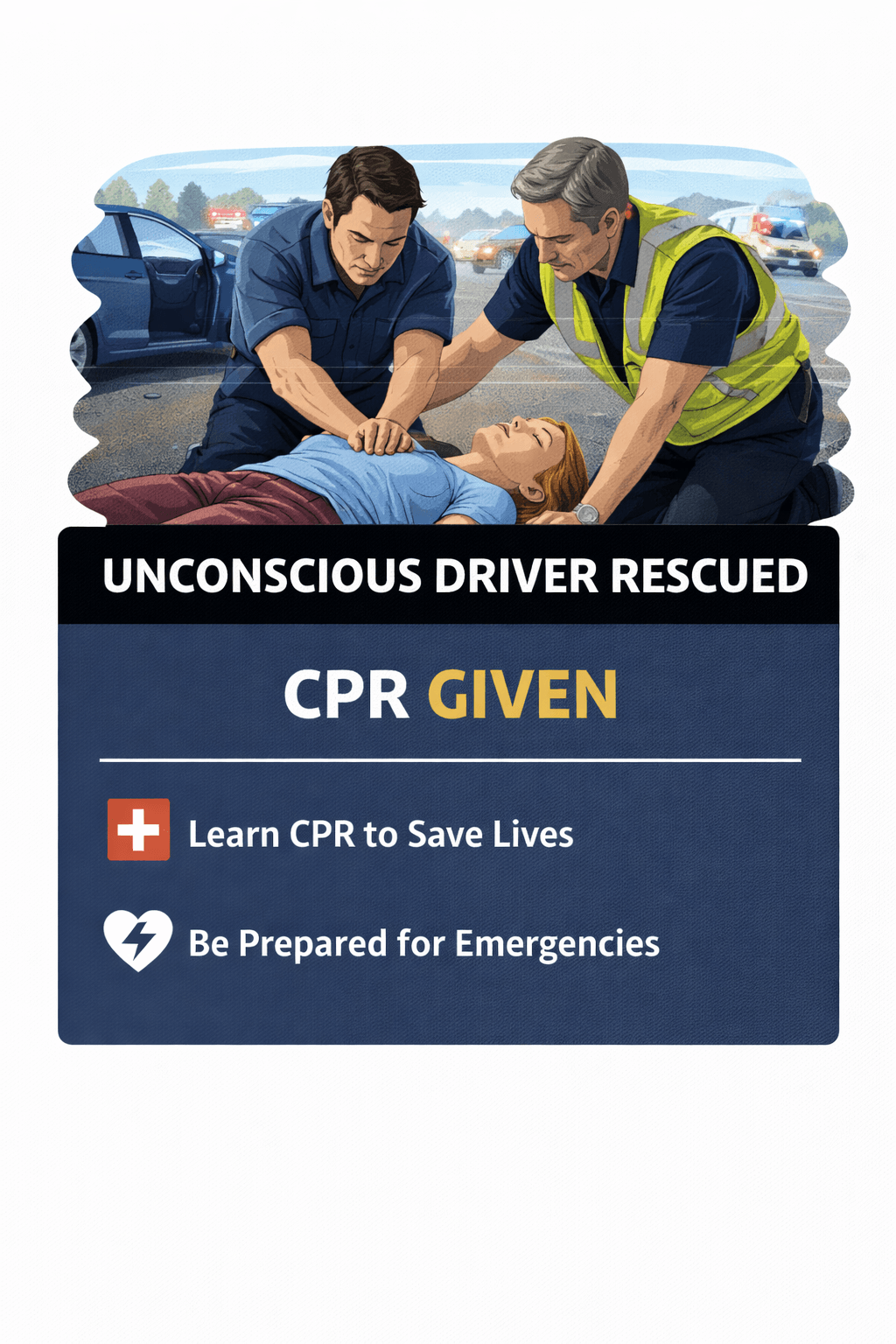
 Medical emergencies can happen anywhere—including while driving. If a driver suddenly experiences a cardiac event such as a heart attack or cardiac arrest, the vehicle may become uncontrolled and create a dangerous situation for both the driver and others on the road.
Across Coquitlam, Vancouver, Burnaby, and the Lower Mainland of British Columbia, busy highways such as Highway 1 see thousands of vehicles every day. When emergencies occur on these roads, quick action from bystanders can help prevent collisions and provide lifesaving assistance until paramedics arrive.
Learning cardiopulmonary resuscitation (CPR) and basic first aid can help individuals respond confidently during these unexpected situations.
First Aid Awareness on British Columbia Roadways
Drivers, workers, and community members in British Columbia are often encouraged to take CPR and first aid training. These skills are useful in many real-life situations, including:
-
Medical emergencies in public places
-
Workplace incidents
-
Roadside accidents
-
Sudden cardiac arrest
Bystanders with CPR training can help maintain circulation and oxygen flow while waiting for emergency responders.
Scenario: Emergency on Highway 1 in Coquitlam
A dangerous situation on Highway 1 in Coquitlam highlighted how quick thinking and teamwork can help save lives during roadside emergencies.
One driver noticed a vehicle travelling erratically and moving toward a concrete barrier. The driver appeared to be unconscious behind the wheel.
Recognizing the danger, a nearby motorist carefully positioned his vehicle in front of the car and helped slow it down, eventually bringing it to a stop.
Another driver who was following the vehicles also recognized the emergency and joined the rescue effort. He activated the emergency lights on his truck to warn approaching traffic and help protect the scene.
When the two men approached the vehicle, they discovered the driver was unresponsive. The doors were locked, so they broke the window to gain access and safely remove the woman from the car.
Once the driver was out of the vehicle, they checked for signs of breathing and circulation. When they could not detect a pulse, CPR was started immediately while emergency services were contacted.
Police officers and paramedics soon arrived on the scene and continued providing advanced medical care. The woman, a 44-year-old mother of three, was transported to hospital for further treatment.
Authorities later recognized the actions of the two men, noting that their quick thinking helped protect both the driver and other motorists on the highway.
Recognizing When CPR May Be Needed
CPR may be necessary when a person becomes unresponsive and stops breathing normally. Warning signs can include:
-
Sudden collapse or loss of consciousness
-
No visible breathing or only gasping breaths
-
No detectable pulse
-
Pale or bluish skin tone
-
Lack of response when spoken to or touched
When these signs appear, emergency services should be contacted immediately and CPR may be started by trained responders.
How CPR Supports the Body During Cardiac Arrest
When the heart stops pumping effectively, oxygen cannot circulate to vital organs. CPR helps support the body by:
-
Providing chest compressions that circulate blood
-
Helping oxygen reach the brain and organs
-
Maintaining circulation until advanced medical care arrives
-
Supporting survival during cardiac arrest
Early CPR is an important part of the chain of survival during medical emergencies.
First Aid Response During Roadside Emergencies
Individuals trained in CPR may assist during roadside emergencies by:
-
Calling emergency services immediately
-
Ensuring the scene is safe and watching for traffic hazards
-
Checking for responsiveness and breathing
-
Beginning CPR if the person is unresponsive and not breathing normally
-
Continuing care until paramedics arrive
Emergency dispatchers can also guide bystanders through CPR instructions while help is on the way.
Road Safety and Emergency Preparedness
Prepared drivers and communities can help reduce risks during roadside emergencies. Helpful safety measures include:
-
Learning CPR and basic first aid skills
-
Keeping a phone accessible to contact emergency services
-
Remaining alert while driving
-
Using hazard lights to warn other drivers during emergencies
-
Maintaining safe stopping distances on highways
Quick thinking and basic first aid knowledge can help prevent further harm when emergencies occur on busy roads.
Frequently Asked Questions
Can a heart attack or cardiac arrest happen while someone is driving?
Yes. Sudden medical emergencies can occur at any time, including while a person is operating a vehicle.
Why is CPR important during cardiac arrest?
CPR helps maintain blood circulation and oxygen delivery to vital organs until professional medical care becomes available.
Should bystanders help during roadside emergencies?
If it is safe to do so, bystanders can assist by contacting emergency services and providing first aid while waiting for responders.
Why is scene safety important during highway incidents?
Busy roads present hazards from moving vehicles. Ensuring safety helps prevent additional injuries.
Should drivers learn CPR?
Many safety organizations encourage CPR training because emergencies can occur in homes, workplaces, and public roadways.
Educational Note
This article is intended for general public education about CPR awareness and emergency preparedness. Participating in recognized first aid and CPR training can help individuals respond more confidently during unexpected emergencies.
About The Author

Mark Kascha
First Aid Instructor Trainer with 30+ years of experience in CPR, emergency response, and safety training across Canada.
👉 [View full credentials]🔗 View LinkedIn Profile
Last reviewed: March 2026