 Mountain recreation areas can present unique risks due to steep terrain, changing weather conditions, and remote locations. When accidents occur on ski slopes or in backcountry terrain, trained responders such as ski patrol members, paramedics, and medical professionals may provide immediate assistance.
Cardiopulmonary resuscitation (CPR) is one of the emergency techniques used when someone becomes unresponsive and is not breathing normally. Across Canada, including Vancouver and British Columbia’s mountain regions such as Whistler, CPR and first aid training are widely encouraged for both outdoor enthusiasts and workplace safety programs.
Learning these skills can help individuals understand how to respond during emergencies until professional responders arrive.
Outdoor Recreation Safety in British Columbia
British Columbia is known for its world-class skiing and snowboarding. Resorts such as Whistler Blackcomb attract visitors from across Canada and around the world.
Although ski resorts maintain strong safety programs, accidents can still occur due to terrain challenges, falls, or unexpected environmental conditions.
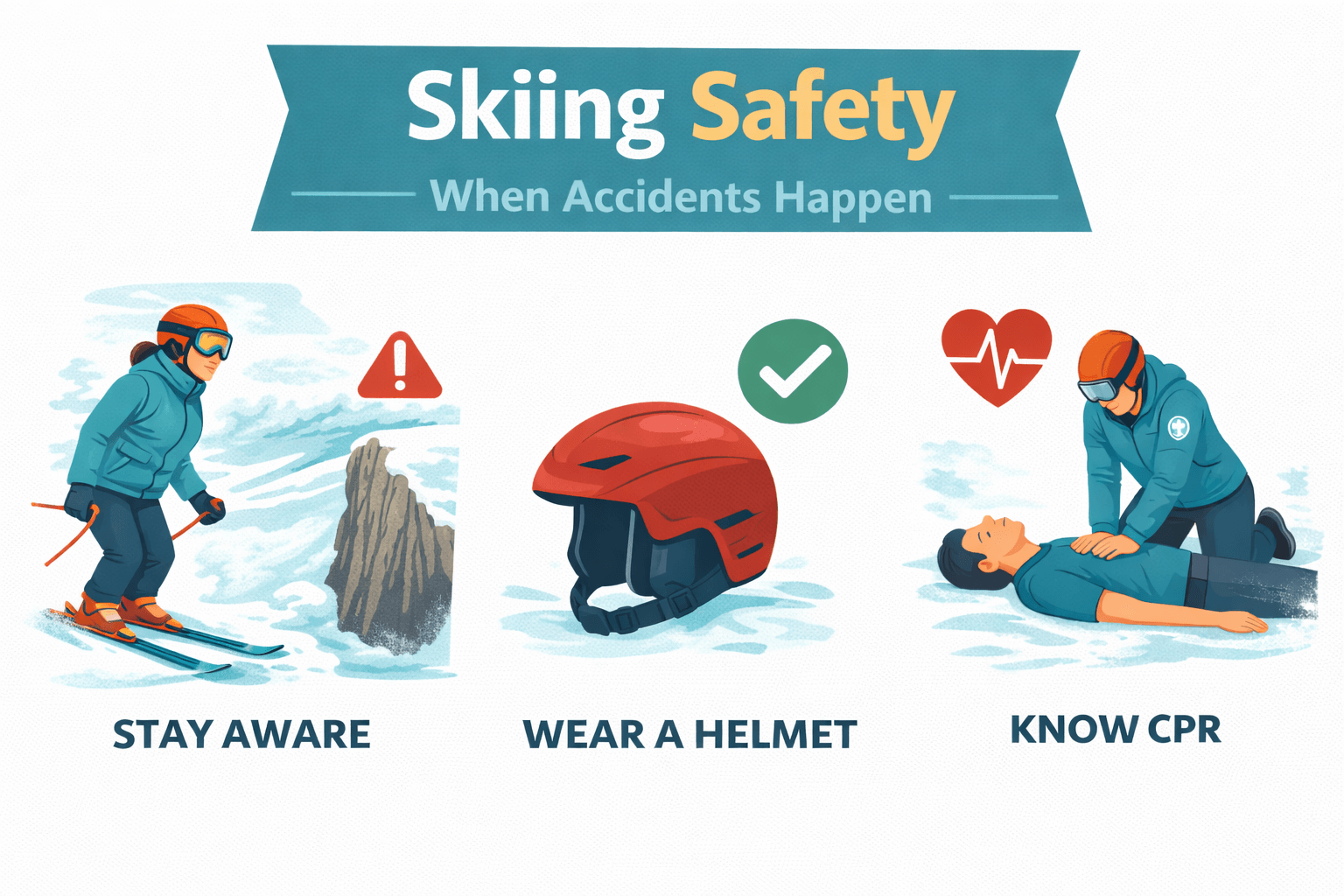
Because mountain environments can be remote, safety programs often emphasize:
-
Skiing within ability levels
-
Staying aware of terrain hazards
-
Wearing appropriate protective equipment
-
Learning basic first aid and CPR skills
Preparedness can help both recreation participants and bystanders respond more effectively when incidents occur.
A Ski Incident on Whistler Mountain
Authorities investigated a tragic skiing accident that occurred on Whistler Mountain involving a female skier.
According to reports, another skier travelling in the west ridge area of the mountain noticed a woman at the base of a cliff and alerted authorities.
Emergency responders, including RCMP officers and ski patrol members, attended the scene. The woman was found at the base of a cliff estimated to be approximately 25 metres high.
Five members of the Whistler Ski Patrol responded along with two mountain doctors and a paramedic. The victim was unconscious and unresponsive when they arrived.
Rescuers attempted to revive her using CPR. Despite these efforts, the woman was later declared deceased at the scene.
At the time of the incident, the victim was wearing a ski helmet. The BC Coroners Service and the RCMP initiated an investigation into the circumstances surrounding the accident.
Recognizing Mountain Accident Risks
Ski slopes and alpine terrain can include steep areas, cliffs, and other natural hazards. Accidents may occur when individuals lose control, encounter unexpected terrain features, or travel into unfamiliar areas.
Potential risks in mountain environments may include:
-
Falls from steep terrain or cliffs
-
Collisions with obstacles
-
Changing snow or weather conditions
-
Reduced visibility in alpine areas
Understanding terrain and following resort safety guidelines can help reduce risk during winter recreation.
Why CPR May Be Attempted During Mountain Emergencies
If someone becomes unresponsive and stops breathing normally after a serious fall or medical emergency, trained responders may begin CPR.
CPR helps maintain circulation of oxygenated blood to the brain and vital organs while waiting for advanced medical care.
At ski resorts, emergency response teams such as ski patrol members, paramedics, and mountain medical staff are trained to provide immediate assistance when incidents occur.
Prevention and Ski Safety Awareness
Mountain safety programs encourage several precautions for winter recreation:
-
Stay within marked ski areas and observe posted warnings
-
Maintain awareness of terrain features and cliff areas
-
Ski with companions whenever possible
-
Follow resort safety guidelines and signage
-
Learn first aid and CPR skills for outdoor environments
Being aware of surroundings and maintaining safe skiing practices can help reduce the risk of accidents on the slopes.
Frequently Asked Questions
What is CPR?
CPR, or cardiopulmonary resuscitation, is a first aid technique used when a person is unresponsive and not breathing normally. It helps maintain circulation until advanced medical care is available.
Who provides emergency response on ski slopes?
Most ski resorts have trained ski patrol teams that respond to accidents. Paramedics and other medical professionals may also assist depending on the situation.
Why is CPR important during serious accidents?
If breathing or circulation stops, CPR can help support blood flow to the brain and vital organs until emergency responders provide further care.
Are ski helmets effective for safety?
Helmets can help reduce the risk of head injury during falls or collisions, although they cannot prevent all types of injuries.
Why is first aid training recommended for outdoor activities?
First aid and CPR training can help individuals recognize emergencies and understand how to provide assistance while waiting for professional responders.
Educational Note
This article is intended for general first aid awareness and outdoor safety education. Learning CPR and first aid can help individuals better understand how to respond during emergencies while waiting for trained emergency medical services.
About The Author

Mark Kascha
First Aid Instructor Trainer with 30+ years of experience in CPR, emergency response, and safety training across Canada.
Last reviewed: March 2026
 Support local, Canadian-owned businesses, with no connections to American corporations or partnerships.