
Understanding Chemical Exposure Emergencies
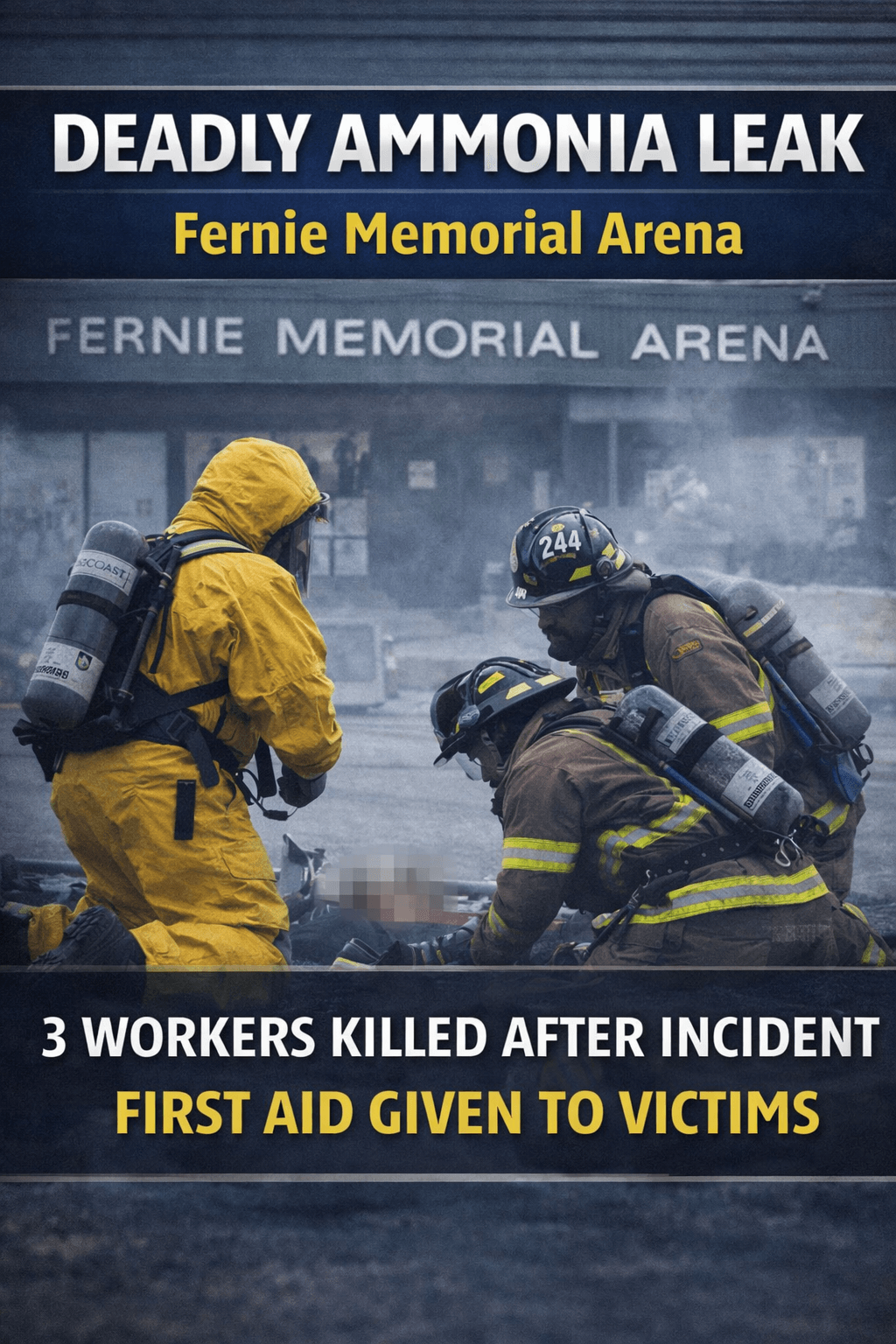 Chemical leaks can create dangerous environments that require rapid emergency response. Certain industrial chemicals—such as anhydrous ammonia, commonly used in refrigeration systems—can pose serious risks if released into enclosed spaces. In these situations, emergency responders and trained personnel must act quickly to protect people nearby and provide first aid where possible.
Across British Columbia and the Lower Mainland—including Vancouver, Burnaby, Richmond, and Abbotsford—workplace safety programs often include first aid and CPR training. Because industrial environments may involve specialized equipment and hazardous materials, emergency preparedness is an important part of occupational safety.
First Aid Awareness in Industrial Workplaces
Many facilities that use refrigeration systems or industrial chemicals implement safety procedures designed to protect workers and visitors. These measures may include:
-
Hazard awareness training
-
Emergency evacuation procedures
-
First aid and CPR certification for staff
-
Regular maintenance inspections
-
Coordination with local fire departments and emergency services
Preparedness and training help workers respond appropriately if an emergency occurs.
The Fernie Memorial Arena Incident
A tragic workplace incident occurred at Fernie Memorial Arena in Fernie, British Columbia, when a leak involving anhydrous ammonia was reported inside the facility.
According to officials, three individuals who were performing routine maintenance work at the arena were affected by the chemical release.
Local authorities later confirmed that two of the individuals were City of Fernie employees, while the third worker was a contractor from Calgary employed by CIMCO Refrigeration.
Emergency Response at the Scene
Emergency crews were dispatched to the arena shortly after the incident was reported. When firefighters arrived, they discovered that a bystander had begun performing CPR on one of the victims outside the building.
Rescue crews also located two additional individuals inside the arena. However, due to the dangerous concentration of ammonia in the air, responders were forced to withdraw from the area temporarily to protect their own safety.
Chemical leaks involving ammonia can create hazardous breathing conditions, requiring specialized protective equipment and ventilation procedures before rescuers can safely re-enter the space.
Evacuation and Safety Measures
Following the incident, surrounding properties near the arena were placed under an evacuation order as a precaution.
City officials declared a local state of emergency, allowing authorities to coordinate safety measures and investigate the incident. Officials noted that the emergency declaration could remain in effect for up to seven days unless lifted earlier.
The incident prompted additional reviews of safety procedures related to refrigeration systems and chemical storage.
Understanding Ammonia Hazards
Anhydrous ammonia is widely used in refrigeration systems for facilities such as ice rinks, food processing plants, and cold storage facilities. While it is effective for industrial cooling, exposure to high concentrations can be harmful.
Safety procedures for ammonia systems often include:
-
Regular maintenance checks
-
Leak detection systems
-
Emergency shutdown procedures
-
Proper ventilation and protective equipment
-
Training for workers handling the system
These precautions help reduce the risk of chemical exposure incidents.
The Role of First Aid and CPR
During many emergencies, bystanders or trained workers may attempt to provide first aid while waiting for emergency responders.
First aid training programs commonly emphasize:
-
Recognizing medical emergencies quickly
-
Calling emergency services immediately
-
Providing assistance within the limits of one’s training
-
Supporting injured individuals until professional help arrives
Across Vancouver and the Lower Mainland, workplaces frequently require trained first aid attendants so employees are prepared to respond when incidents occur.
Prevention and Workplace Preparedness
Industrial facilities can improve safety preparedness by implementing several protective measures:
-
Regular safety inspections and equipment maintenance
-
Hazard awareness training for employees
-
Accessible first aid kits and emergency equipment
-
Clear evacuation procedures and emergency plans
-
CPR and first aid training for staff
Preparedness and training help workplaces respond effectively if emergencies occur.
Frequently Asked Questions
What is anhydrous ammonia?
Anhydrous ammonia is a chemical commonly used in refrigeration systems, agriculture, and certain industrial applications.
Why are ammonia leaks considered dangerous?
High concentrations of ammonia gas can irritate the eyes, skin, and respiratory system, making enclosed spaces hazardous without proper ventilation and protective equipment.
Do workplaces in British Columbia require first aid training?
Many workplaces follow occupational health and safety guidelines that require designated employees to receive first aid training.
Why might CPR be attempted during workplace emergencies?
If someone becomes unresponsive and stops breathing normally, trained individuals may begin CPR while waiting for emergency medical responders.
How can workplaces prepare for chemical emergencies?
Preparation may include safety training, maintenance procedures, hazard monitoring, and clear emergency response plans.
Educational Note
This article is intended for general public education about workplace safety and first aid awareness. Certified first aid and CPR training programs provide practical instruction to help individuals recognize emergencies and respond safely.
About The Author

Mark Kascha
First Aid Instructor Trainer with 30+ years of experience in CPR, emergency response, and safety training across Canada.
Last reviewed: March 2026
 Support local, Canadian-owned businesses, with no connections to American corporations or partnerships.