Understanding Cardiac Emergencies During Exercise
Cardiac events can occur during physical activity, even for individuals who are managing known heart conditions and maintaining regular exercise routines. When a person suddenly collapses, becomes unresponsive, and is not breathing normally, it may indicate cardiac arrest.
In these situations, immediate CPR can help maintain circulation until emergency medical care arrives.
First Aid & Workplace Relevance in Vancouver and the Lower Mainland
Across Vancouver, Burnaby, Surrey, and the Lower Mainland, many cardiac emergencies happen outdoors—in parks, sidewalks, and recreational spaces.
This highlights the importance of:
-
CPR training for workers in public-facing roles (parks, construction, city services)
-
Confidence to respond in outdoor or non-clinical environments
Workplace first aid training often prepares individuals to respond in exactly these types of real-life situations.
Real Incident Overview
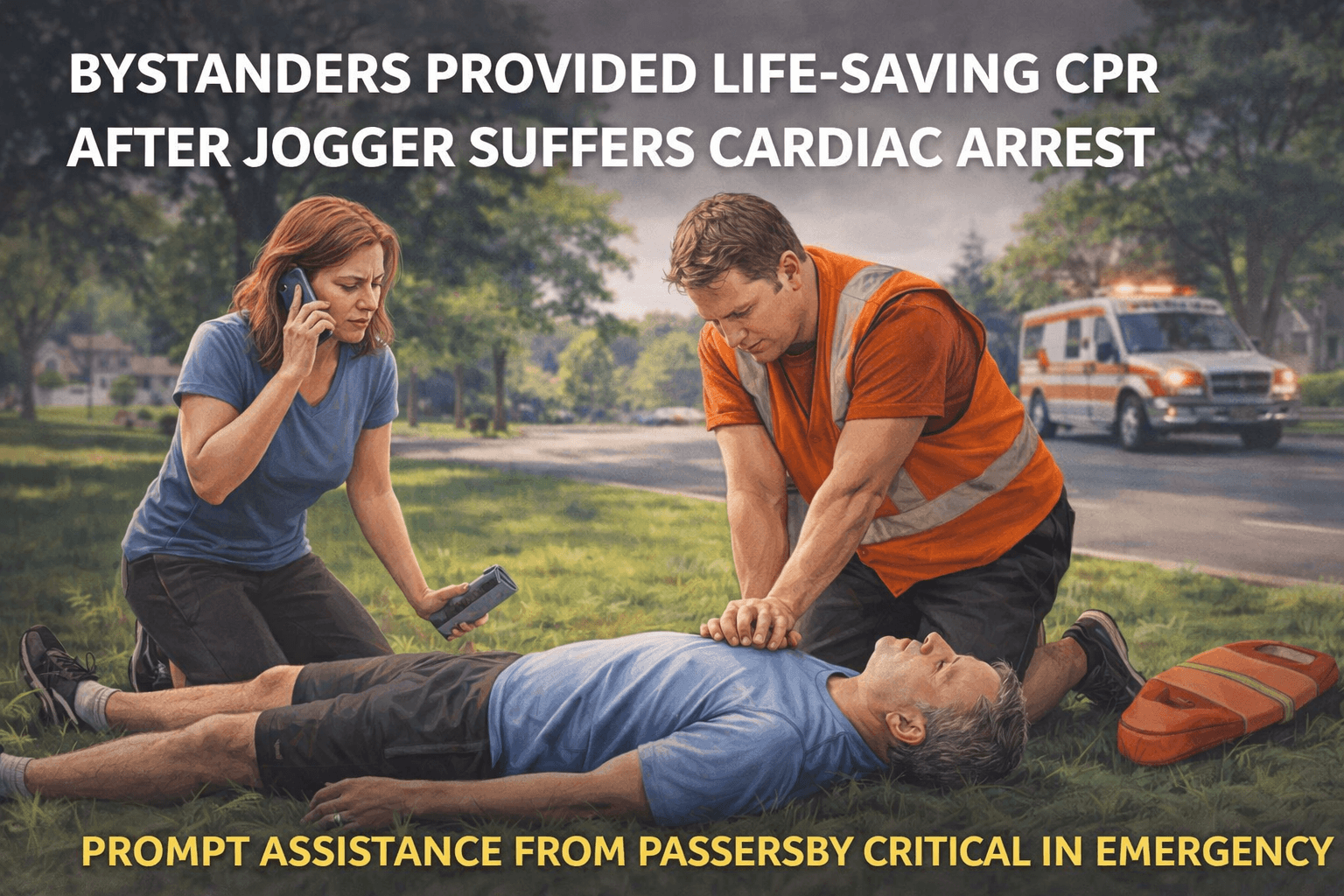 On a sunny morning near Neil Nesbitt Park in Barrhaven, Gordon Andrusiak went out for a jog as part of his regular exercise routine. Although he had previously been diagnosed with a heart condition, he remained active and was gradually incorporating jogging into his regimen.
Shortly after starting his run, Andrusiak collapsed and became unconscious.
He was discovered by a group of workers wearing orange safety vests who quickly recognized that something was wrong.
At the same time, a passing motorist, Adele Gawley, stopped to help. Along with City of Ottawa parks employee Troy Featherston, they worked together to assist Andrusiak.
Despite initial concern about causing harm, Troy began performing chest compressions. His decision to act quickly was critical.
Paramedics arrived shortly after and took over care before transporting Andrusiak to a healthcare facility.
Following the incident, Andrusiak underwent heart surgery and, after two months of recovery, was reported to be doing well. He does not recall the event but later learned about the actions of those who helped him.
The Importance of Taking Action
This incident highlights a common hesitation—fear of doing something wrong. However:
-
Early CPR can support circulation during cardiac arrest
-
Acting quickly is more important than doing nothing
-
Trained or untrained bystanders can still make a difference
In this case, bystander intervention played a key role in survival.
Signs of Cardiac Arrest
A person experiencing cardiac arrest may:
-
Collapse suddenly
-
Be unresponsive
-
Not breathe normally
-
Show no signs of circulation
Immediate recognition allows for faster response.
First Aid Response: CPR in Outdoor Settings
If someone collapses outdoors:
-
Call 911 immediately
-
Check responsiveness and breathing
-
Begin CPR (chest compressions)
-
Ask others nearby for assistance or to locate an AED
-
Continue CPR until help arrives
Teamwork between bystanders can improve the effectiveness of care.
Prevention and Safety Considerations
While not all cardiac events can be prevented:
-
Be aware of personal health conditions
-
Exercise within comfortable limits
-
Learn CPR and first aid
-
Encourage workplace and community training
-
Know how to respond in public spaces
Prepared individuals contribute to safer communities.
Frequently Asked Questions
Can cardiac arrest happen during exercise?
Yes. It can occur even in individuals who are physically active.
Should I perform CPR if I’m unsure?
If the person is unresponsive and not breathing normally, CPR is appropriate.
What if I’m worried about causing harm?
Acting quickly is important. Doing something is often better than doing nothing.
Can bystanders really make a difference?
Yes. Early CPR can support survival before paramedics arrive.
Should outdoor workers learn CPR?
Yes. They are often first on scene during public emergencies.
Educational Note
This article is intended for general first aid awareness and workplace safety education in Canada. CPR training helps individuals respond effectively during unexpected emergencies.
About The Author

Mark Kascha
First Aid Instructor Trainer with 30+ years of experience in CPR, emergency response, and safety training across Canada.
Last reviewed: March 2026
 Support local, Canadian-owned businesses, with no connections to American corporations or partnerships.