
Understanding CPR During Water Emergencies
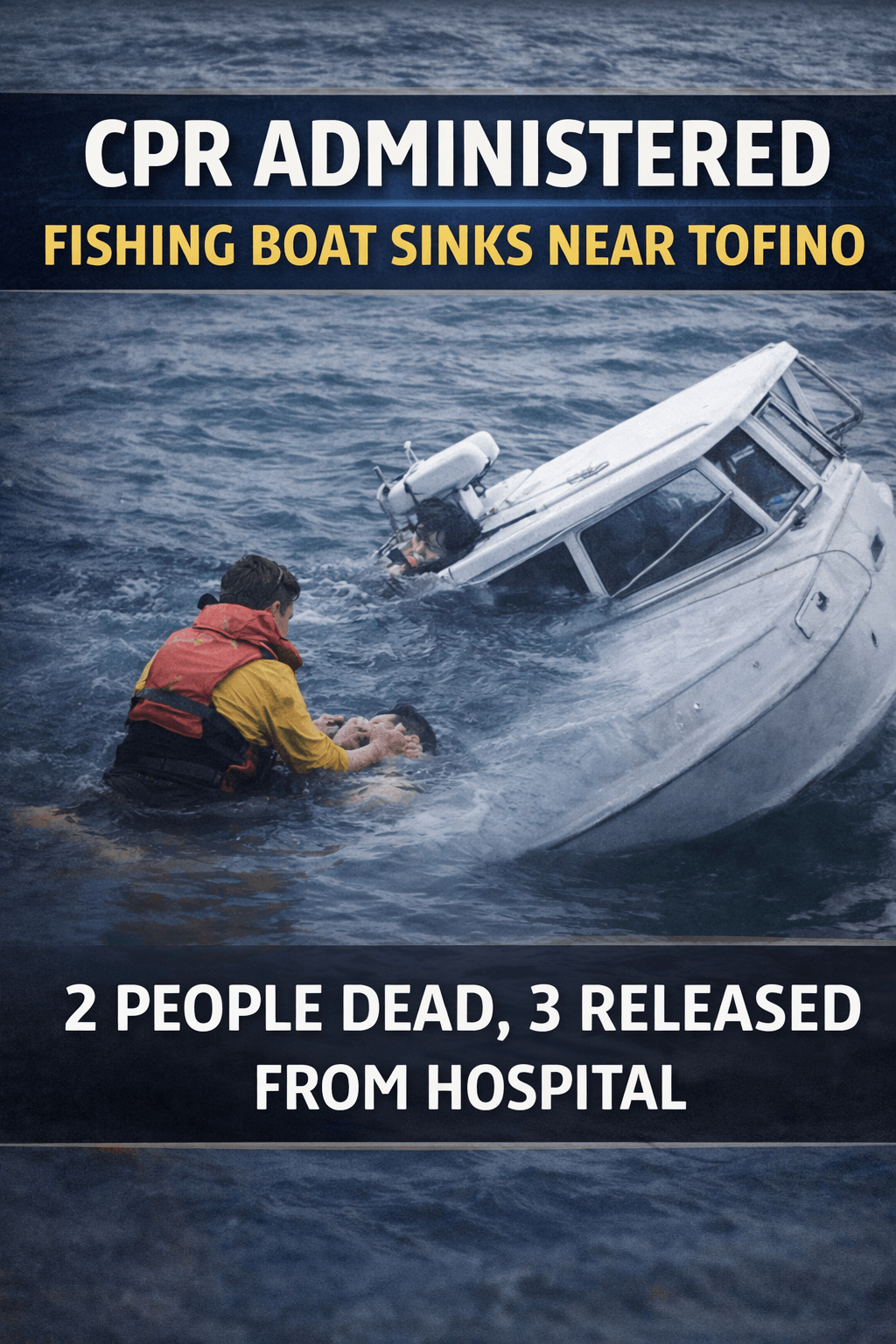 Water-related emergencies such as boating accidents can occur suddenly and require rapid rescue and medical response. When people are pulled from cold water and become unresponsive, cardiopulmonary resuscitation (CPR) may be used to support breathing and circulation while emergency medical teams arrive.
Across British Columbia and the Lower Mainland—including Vancouver, Richmond, Burnaby, and coastal communities such as Tofino—first aid and CPR training are often recommended for people who spend time on boats, work in marine industries, or participate in outdoor recreation. Quick response from trained individuals can be important during water emergencies.
First Aid Awareness in Coastal and Marine Environments
British Columbia’s coastal waters are widely used for fishing, tourism, and recreational boating. Because remote areas can sometimes be far from immediate medical care, preparedness and basic first aid knowledge are valuable for boat operators, fishing crews, and passengers.
Emergency response efforts at sea often involve coordination between the Canadian Coast Guard, the Joint Rescue Coordination Centre, and nearby vessels that may be able to assist before official rescue teams arrive.
A Fishing Boat Emergency Near Tofino
A serious incident occurred when an 8.5-metre catamaran fishing vessel sank near Bartlett Island, north of Tofino on the west coast of Vancouver Island.
The boat was reportedly fishing for halibut when a distress call was made around 1:20 p.m. to the Joint Rescue Coordination Centre in Victoria. During the call, rescuers confirmed that the five people on board the vessel were abandoning the boat and entering the water.
Communication with the vessel was later lost, prompting a large search and rescue response.
Coordinated Rescue Efforts
Search and rescue teams quickly mobilized multiple resources, including:
-
Canadian Coast Guard rescue boats
-
A Royal Canadian Air Force helicopter
-
A search aircraft from CFB Comox
-
Nearby marine vessels responding to the emergency broadcast
Two commercial floatplanes also responded to the distress call. One of the pilots spotted the individuals in the water and directed rescuers to their location.
Nearby boats were able to reach the group and recover all five people from the water before transferring them to rescue crews.
First Aid and CPR at the Scene
Once the survivors were brought aboard rescue vessels, emergency responders and trained bystanders began providing medical assistance.
An off-duty paramedic administered CPR to one passenger, while a Canadian Coast Guard rescue specialist attempted resuscitation efforts on another individual.
All five passengers were transported to shore and transferred to emergency health services in Tofino.
Health officials later confirmed that three individuals were treated and released from hospital, while two passengers unfortunately died following the incident.
Why CPR Training Is Important
Water emergencies can involve several life-threatening factors, including lack of oxygen, cold exposure, and exhaustion. Early CPR provided by trained responders may help support breathing and circulation while waiting for advanced medical care.
First aid training programs often highlight the importance of the “chain of survival,” which includes:
-
Recognizing an emergency quickly
-
Calling for rescue assistance
-
Beginning CPR if a person is unresponsive and not breathing normally
-
Continuing care until emergency responders take over
Preparedness can be especially important in remote coastal areas where rescue teams may need time to reach the scene.
Safety and Preparedness for Boating Activities
While boating accidents are relatively uncommon, several safety measures may help reduce risks and improve emergency preparedness:
-
Wearing properly fitted life jackets
-
Carrying marine communication equipment
-
Monitoring weather and water conditions
-
Ensuring vessels have safety equipment and flotation devices
-
Learning first aid and CPR skills
Across Vancouver Island and coastal British Columbia, many marine safety programs encourage boaters to complete CPR and first aid training before heading out on the water.
Frequently Asked Questions
Why might CPR be needed during a boating accident?
If someone becomes unresponsive and stops breathing normally after being rescued from the water, CPR may be used to support circulation and breathing until medical responders arrive.
Who responds to marine emergencies in Canada?
Marine rescues are often coordinated by the Canadian Coast Guard and the Joint Rescue Coordination Centre, along with nearby vessels and search aircraft.
Why is rescue coordination important in remote areas?
Coastal and offshore emergencies may occur far from hospitals or emergency services, so coordination between multiple rescue teams helps locate and assist survivors quickly.
What safety equipment should boats carry?
Boats are typically expected to carry life jackets, communication devices, signalling equipment, and emergency supplies depending on the type of vessel and location.
Can recreational boaters learn CPR?
Yes. CPR and first aid courses are widely available across Canada and are recommended for people who spend time on the water.
Educational Note
This article is intended for general public education about first aid awareness and emergency preparedness. Certified CPR and first aid training programs provide hands-on instruction to help individuals recognize emergencies and respond safely.
About The Author

Mark Kascha
First Aid Instructor Trainer with 30+ years of experience in CPR, emergency response, and safety training across Canada.
Last reviewed: March 2026
 Support local, Canadian-owned businesses, with no connections to American corporations or partnerships.