
Understanding Cardiac Emergencies in the Workplace
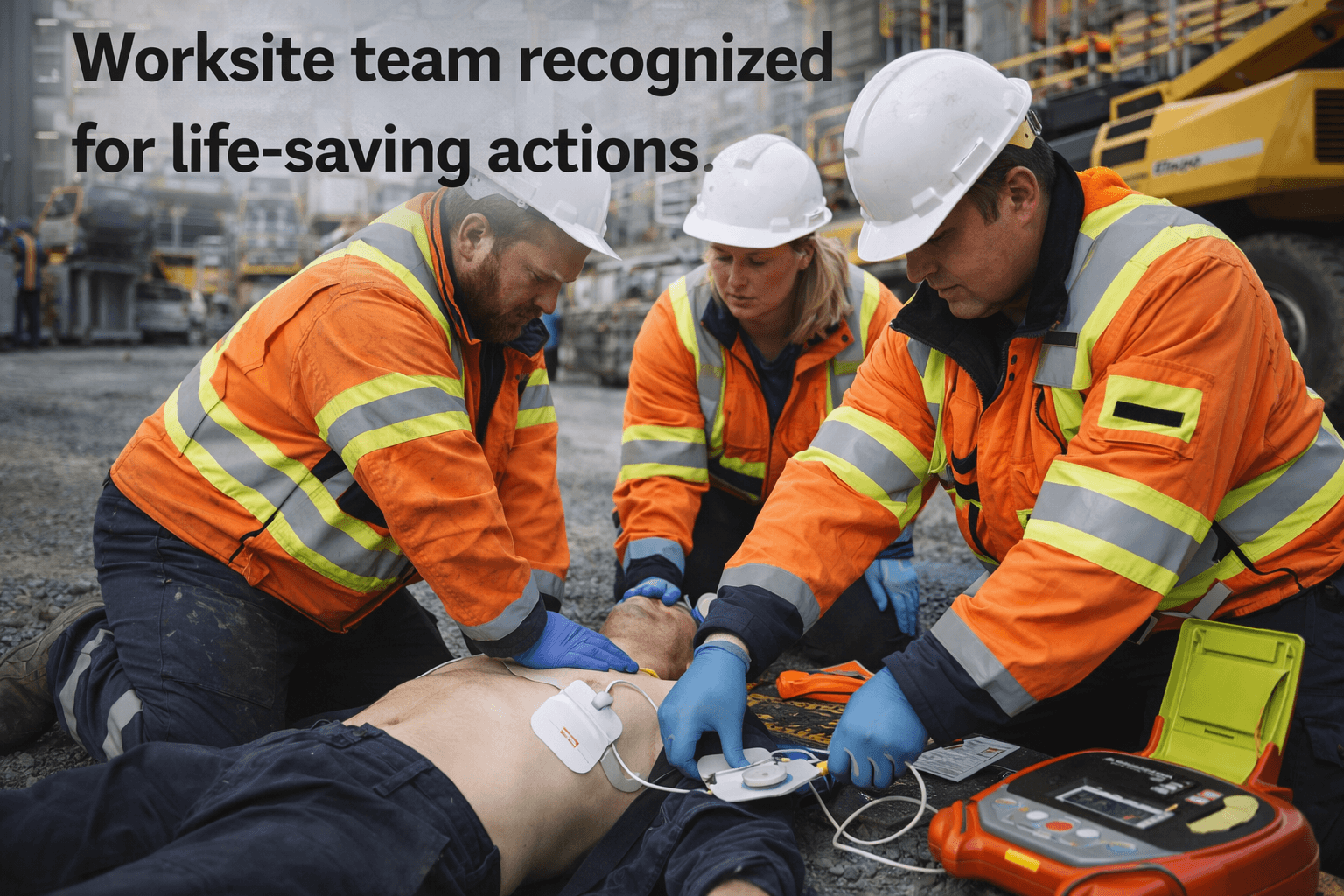 Cardiac emergencies can happen suddenly, even in structured and safety-focused environments like industrial worksites. When a person becomes unconscious and not breathing normally, immediate action—especially CPR and the use of an automated external defibrillator (AED)—can help restore a normal heart rhythm.
Quick, coordinated response from trained team members is often critical in these situations.
First Aid & Workplace Relevance in Vancouver and the Lower Mainland
Across Vancouver, Burnaby, Richmond, Surrey, and industrial areas throughout the Lower Mainland, many workers operate in construction, energy, and large-scale project environments.
These workplaces often have designated emergency response teams, highlighting the importance of:
-
CPR and AED training
-
Clear emergency protocols
-
Team coordination during incidents
Prepared teams can respond effectively while waiting for paramedics.
Real Incident Overview
At the Hebron Gravity Base Structure site, a serious workplace emergency led to life-saving action by three trained responders.
Adrian Tarrant of Clarenville, along with Jamie Budden and Ashley Perham, were recognized for their efforts in saving the life of a co-worker who became unconscious on site.
The three were members of the site’s emergency response team. After a call for help was made over the radio, Tarrant and Perham arrived to find Budden already performing CPR.
They quickly coordinated their efforts, continuing CPR while preparing additional emergency interventions. An AED was brought to the scene and used as part of the response.
After delivering a second shock with the AED, the team was able to restore a pulse. The individual was then transported by ambulance to a healthcare facility for further care.
Tarrant later emphasized that the outcome was the result of teamwork, with each responder contributing to the effort. Their actions were recognized for demonstrating the value of training, preparedness, and collaboration in emergency situations.
Signs of Cardiac Arrest in the Workplace
A person may:
-
Collapse suddenly
-
Be unresponsive
-
Not breathe normally
-
Have no detectable pulse
Immediate recognition is key to starting CPR.
First Aid Response: CPR and AED in the Workplace
If someone collapses at work:
-
Call 911 immediately
-
Check responsiveness and breathing
-
Begin CPR (chest compressions)
-
Have someone retrieve an AED
-
Follow AED prompts and continue CPR
-
Continue until emergency services arrive
Early CPR and defibrillation can significantly improve outcomes.
Why Teamwork Matters in Emergency Response
This incident highlights:
-
The importance of clear communication
-
The value of shared responsibilities
-
The effectiveness of trained response teams
-
The role of AED access in workplaces
Coordinated efforts can make a critical difference.
Prevention and Workplace Safety Considerations
To improve workplace readiness:
-
Provide CPR and AED training for staff
-
Ensure AEDs are accessible and maintained
-
Develop clear emergency response procedures
-
Conduct regular safety drills
-
Encourage a culture of safety awareness
Prepared workplaces are safer workplaces.
Frequently Asked Questions
What should I do if a coworker collapses?
Call 911, check breathing, and begin CPR if needed.
Why is an AED important in the workplace?
It can help restore a normal heart rhythm during cardiac arrest.
Can multiple people assist during CPR?
Yes. Teamwork helps maintain effective and continuous care.
How often should AEDs be checked?
Regularly, to ensure they are ready for use.
Why is training important for workers?
It prepares them to respond confidently during emergencies.
Educational Note
This article is intended for general first aid awareness and workplace safety education in Canada. CPR and AED training can help individuals respond effectively in workplace emergencies.
About The Author

Mark Kascha
First Aid Instructor Trainer with 30+ years of experience in CPR, emergency response, and safety training across Canada.
👉 [View full credentials]🔗 View LinkedIn Profile
Last reviewed: March 2026
 Support local, Canadian-owned businesses, with no connections to American corporations or partnerships.