loading...
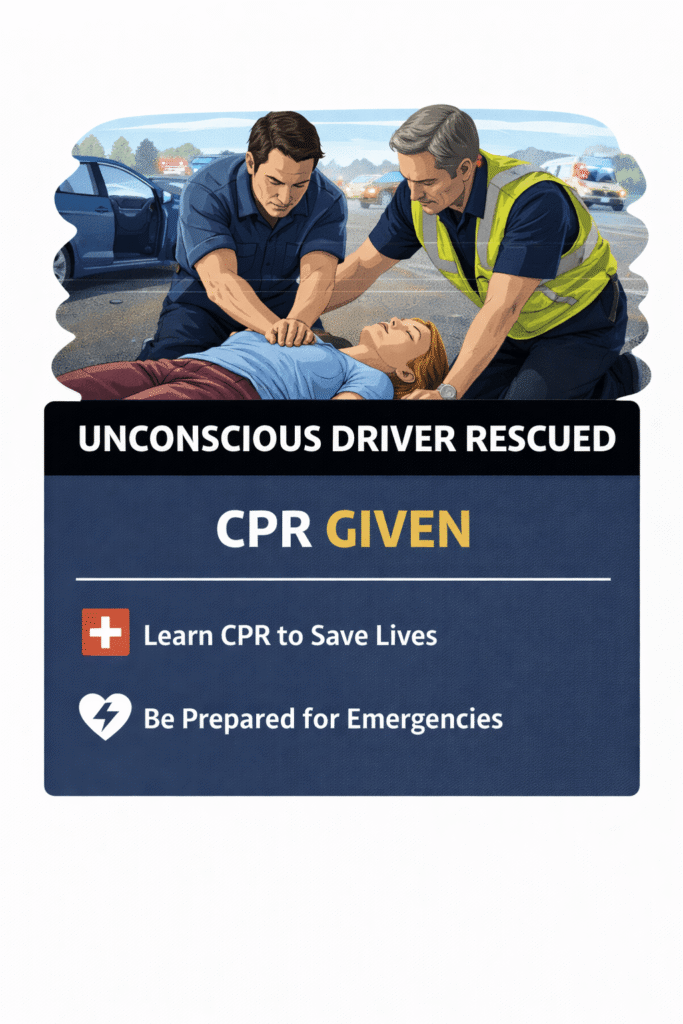
Medical emergencies can happen anywhere—including while driving. If a driver suddenly experiences a cardiac event such as a heart attack or cardiac arrest, the vehicle may become uncontrolled and create a dangerous situation for both the driver and others on the road. Across Coquitlam, Vancouver, Burnaby, and the Lower Mainland of British Columbia, busy highways
Bystanders Perform CPR to Help Unconscious Driver on Highway 1 in Coquitlam Read More »
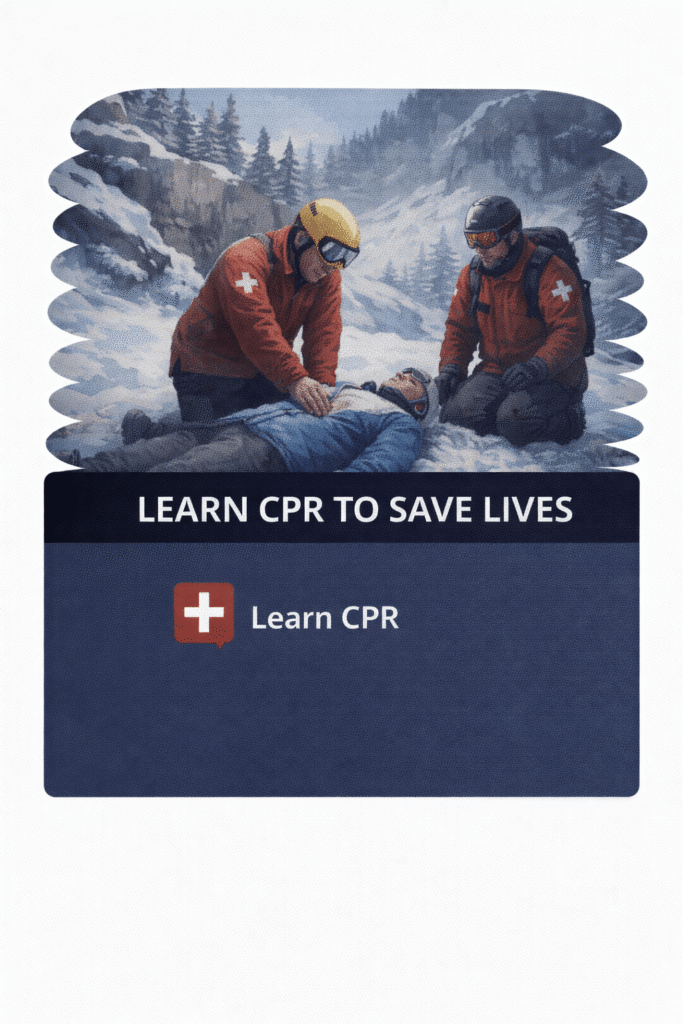
Skiing and snowboarding are popular activities across British Columbia, especially in destinations like Whistler and the North Shore mountains near Vancouver. While these environments are well-managed, they still involve natural hazards such as steep terrain, cliffs, and changing snow conditions. When a serious fall or accident occurs, immediate first aid and cardiopulmonary resuscitation (CPR) may
CPR Awareness in Skiing Emergencies: Abbotsford Student Incident at Whistler Read More »
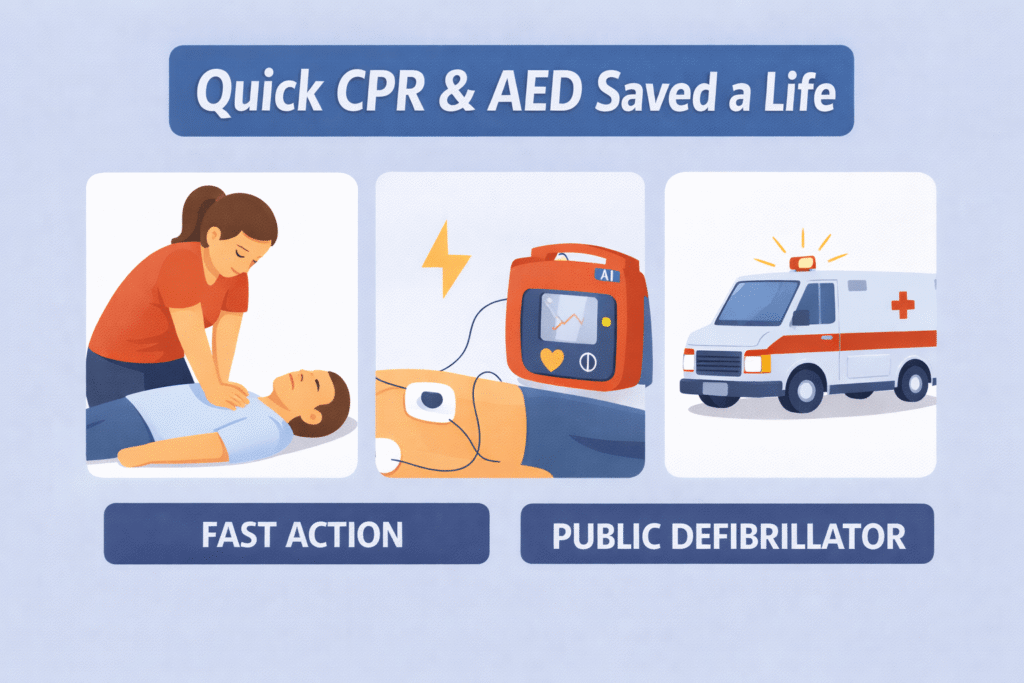
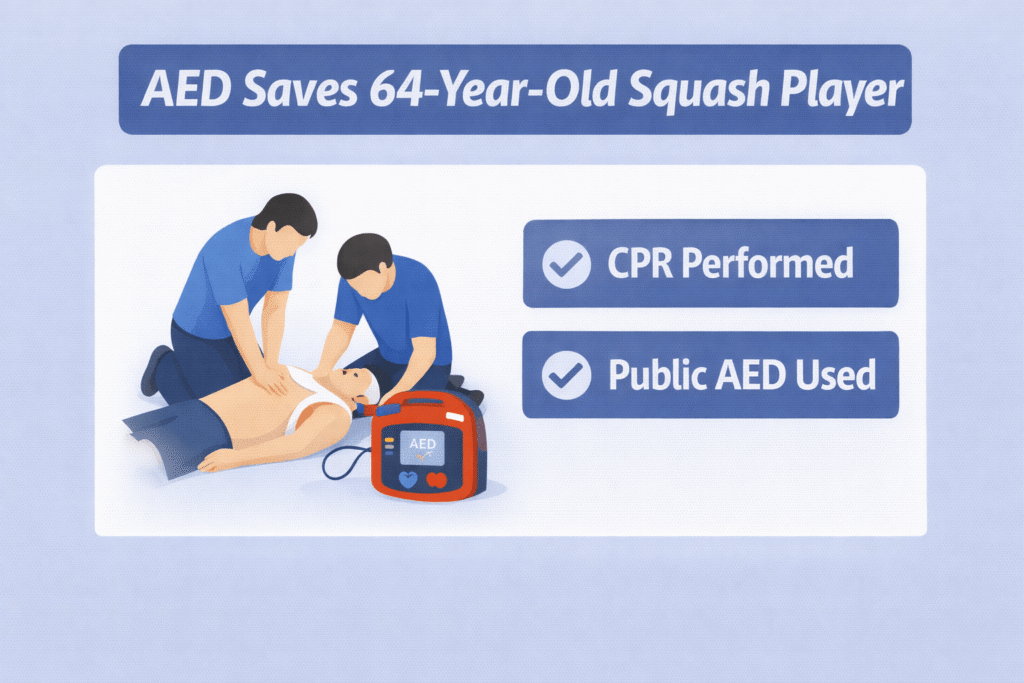
Understanding Cardiac Arrest During Physical Activity Cardiac arrest occurs when the heart suddenly stops beating due to an electrical problem. It can happen without warning, including during or after physical activity such as sports. Immediate response—especially CPR (cardiopulmonary resuscitation) and the use of an automated external defibrillator (AED)—is critical in helping restore circulation and improving
AED and CPR in Sports Facilities: Quick Response to Cardiac Arrest in Canada Read More »
Chris Parsons encourages everyone that knowing how to perform CPR is a useful skill. Parsons is a street performer with the stage name Chris Without the Hat. While in Saskatoon to perform at the Fringe Festival, he had to perform CPR to help a man breathe again. Importance of CPR training According to Parsons, he
Fringe performer’s visit takes a serious turn where CPR is needed Read More »
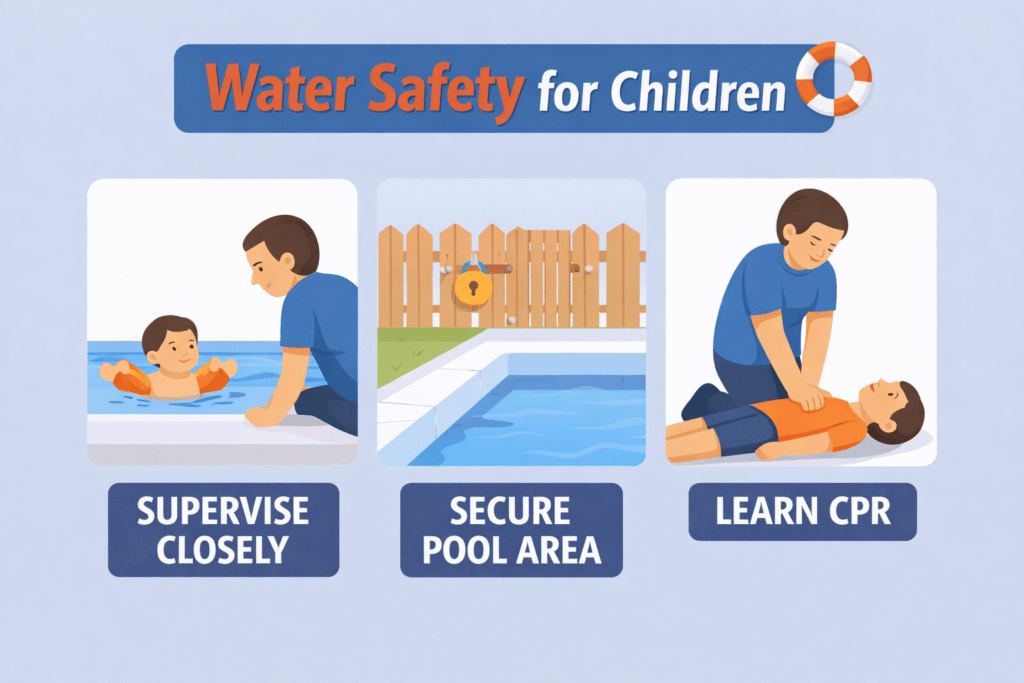
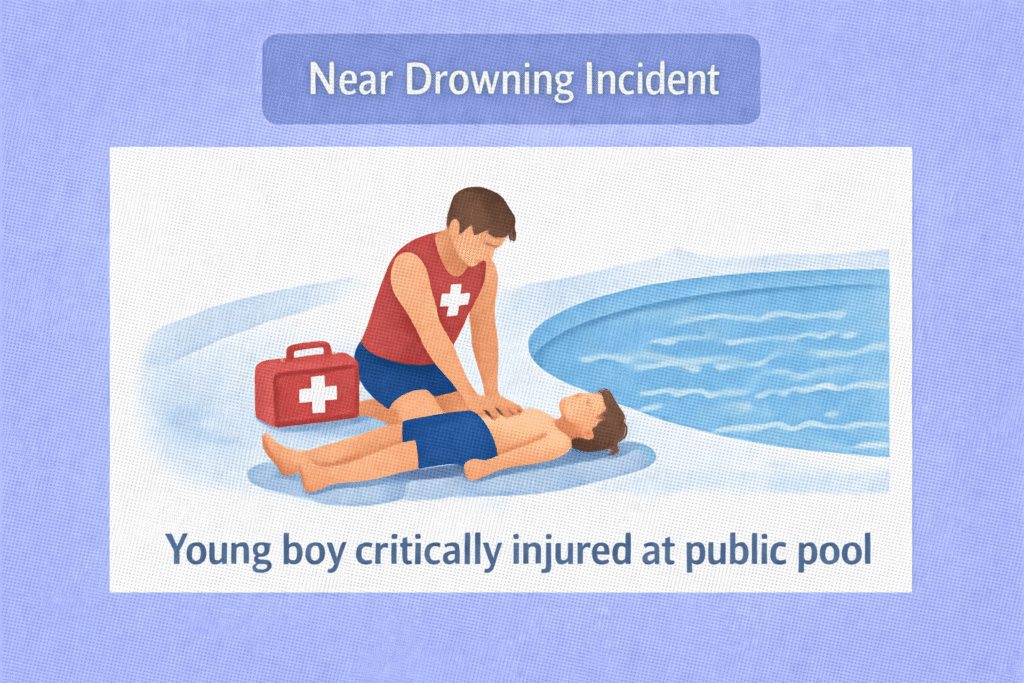
Understanding Near Drowning and Water Emergencies A near drowning occurs when a person is rescued after being unable to breathe in water. Even if breathing is restored, the situation can remain serious due to lack of oxygen. Immediate response—especially rescue from water and CPR if needed—is critical in supporting recovery. Children are particularly vulnerable, and
Near Drowning in Public Pools: Child Water Safety and CPR Awareness in Canada Read More »
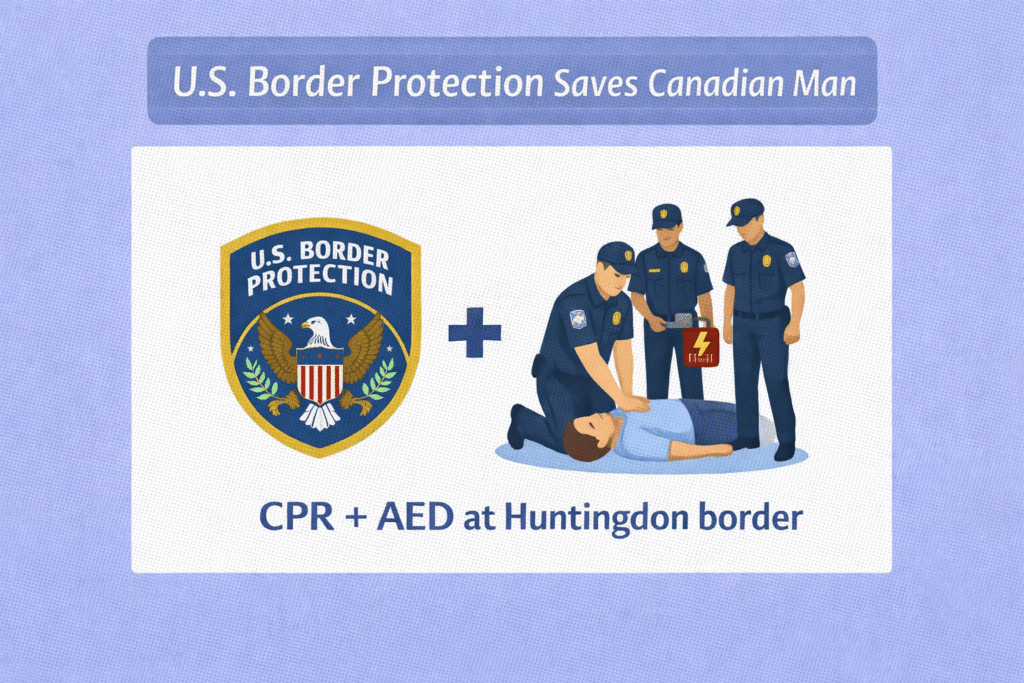
Understanding Cardiac Arrest and Emergency Care Cardiac arrest occurs when the heart suddenly stops beating due to an electrical problem. This stops blood flow to the brain and vital organs. Immediate action—especially CPR (cardiopulmonary resuscitation) and the use of an automated external defibrillator (AED)—is critical in helping restore circulation and improving survival. AEDs are designed
CPR and AED Use at Border Crossings: Emergency Response in Cardiac Arrest Read More »
Understanding Cardiac Arrest and CPR Cardiac arrest occurs when the heart suddenly stops beating, preventing blood from circulating to the brain and vital organs. When this happens, immediate CPR (cardiopulmonary resuscitation) can help maintain blood flow until normal heart function is restored or emergency care arrives. CPR is a critical life-saving skill that can be
CPR on Flights: How Quick Action Can Save Lives in Cardiac Emergencies Read More »
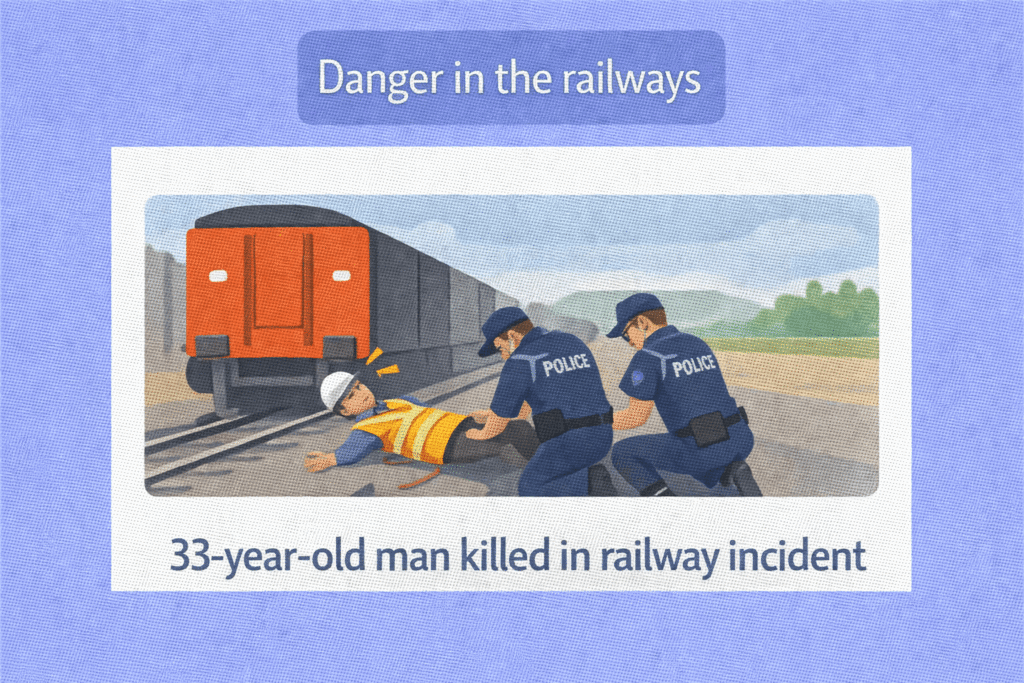
Understanding Railway Workplace Hazards Railway environments involve heavy equipment, moving railcars, and limited visibility, which can create serious safety risks. Incidents involving trains or railcars can result in severe injuries due to impact, crushing, or entrapment. In these situations, immediate first aid and emergency response are critical in supporting the injured person until advanced medical
Railway Safety and First Aid: Responding to Serious Workplace Injuries in Canada Read More »
Serving the Vancouver Lower Mainland with the lowest priced, highest quality safety, CPR, food safe and first aid training since 2010.