loading...
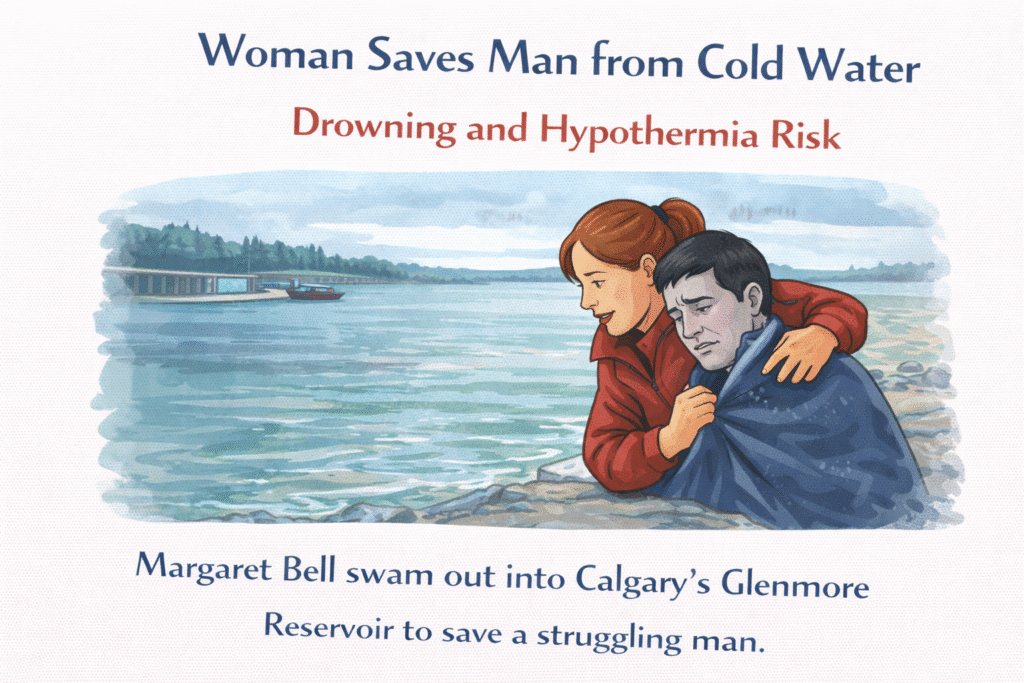
A rescue at Calgary’s Glenmore Reservoir highlights how quickly water emergencies can develop — and how basic first aid knowledge can make a difference. Across Canada, including Vancouver and throughout British Columbia, lakes and reservoirs are popular for recreation and exercise. Whether jogging along the seawall or paddling on local waterways, understanding water safety and
Reservoir Rescue: Recognizing Drowning Risk and Hypothermia in Open Water Read More »
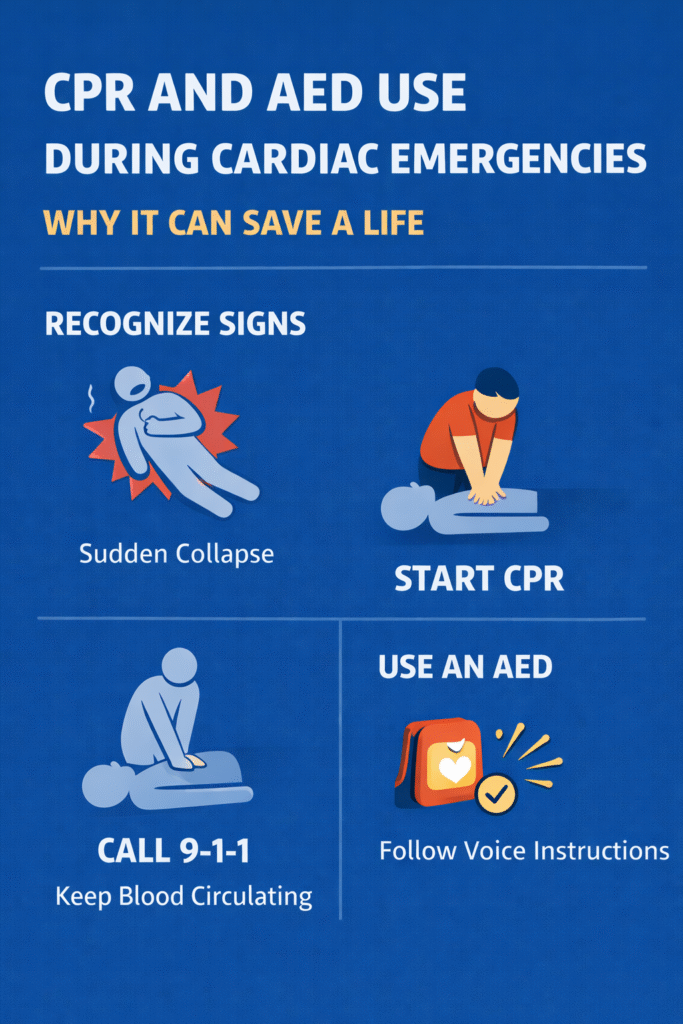
A sudden cardiac emergency occurs when the heart stops pumping effectively, preventing blood and oxygen from reaching vital organs. When this happens, a person may collapse, lose consciousness, and stop breathing normally. Cardiopulmonary resuscitation (CPR) and the use of an automated external defibrillator (AED) can help maintain circulation and restore a normal heart rhythm until
Cardiac Emergencies at Border Crossings: How CPR and AED Use Can Save Lives Read More »
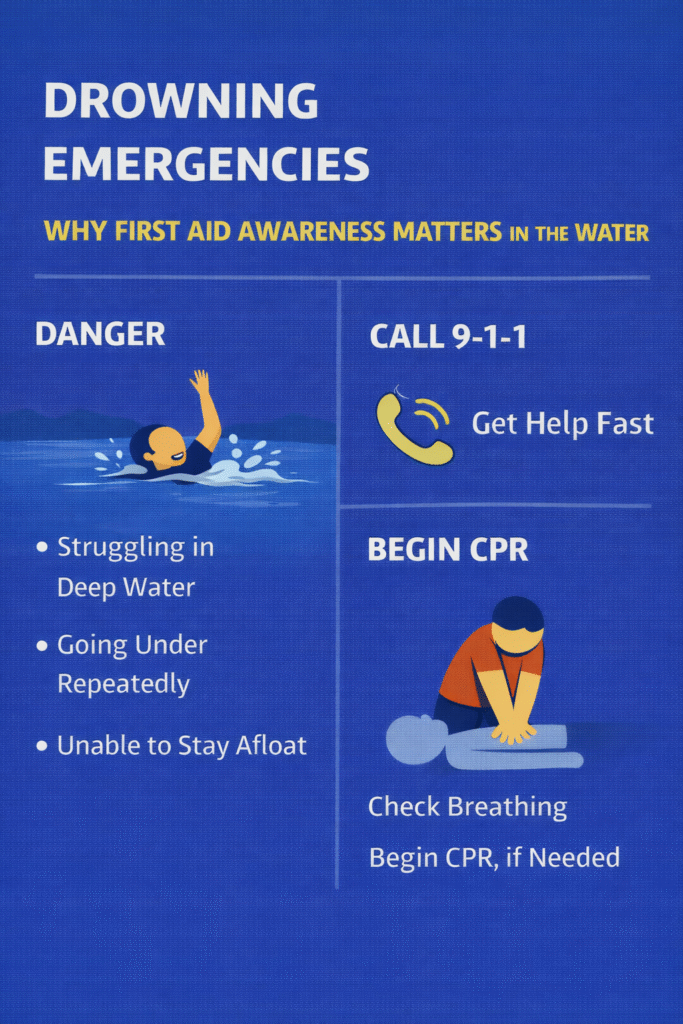
Drowning emergencies can develop quickly in oceans, lakes, or rivers when a person is unable to stay afloat or breathe effectively. Fatigue, waves, strong currents, or unexpected conditions can make it difficult for swimmers to remain above water. If a person is pulled from the water and is not breathing normally, cardiopulmonary resuscitation (CPR) may
A man recognized for saving a life Read More »
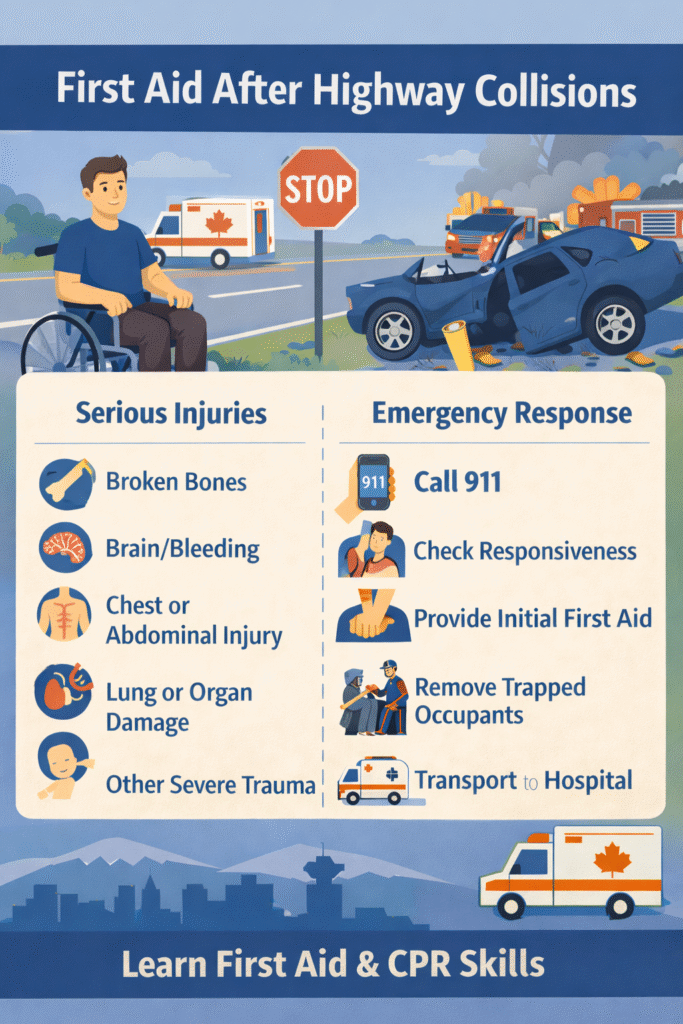
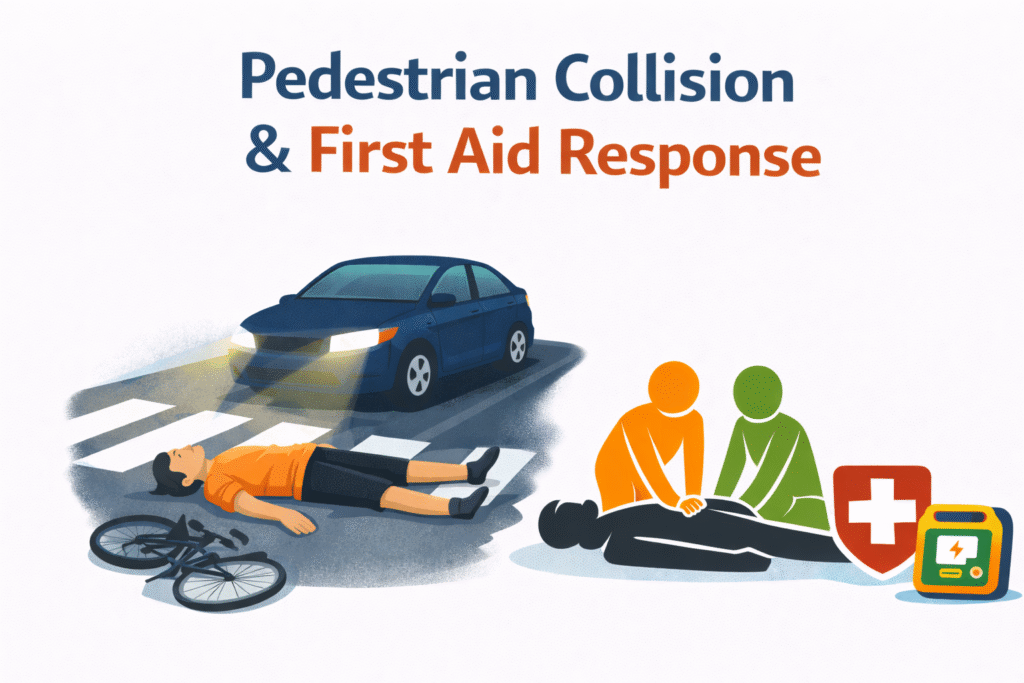
Pedestrian collisions can occur when vehicles and pedestrians share busy intersections or roadways. Even at relatively low speeds, these incidents can lead to serious injuries because pedestrians have little protection during an impact. In Vancouver and across British Columbia, busy intersections and high-traffic corridors require drivers and pedestrians to remain alert at all times. Because
Pedestrian Collisions and First Aid Awareness: Responding to Roadway Emergencies Read More »
Serving the Vancouver Lower Mainland with the lowest priced, highest quality safety, CPR, food safe and first aid training since 2010.