Vancouver First Aid

First Aid for Hypothermia: Bus Driver Assists Man in Freezing Conditions

Hypothermia occurs when the body loses heat faster than it can produce it, causing body temperature to drop to unsafe levels. This condition can develop quickly in extreme cold temperatures, especially when a person is exposed to wind, wet conditions, or prolonged time outdoors. Across Vancouver, Burnaby, Surrey, and many parts of Canada, cold weather […]

First Aid for Hypothermia: Bus Driver Assists Man in Freezing Conditions Read More »
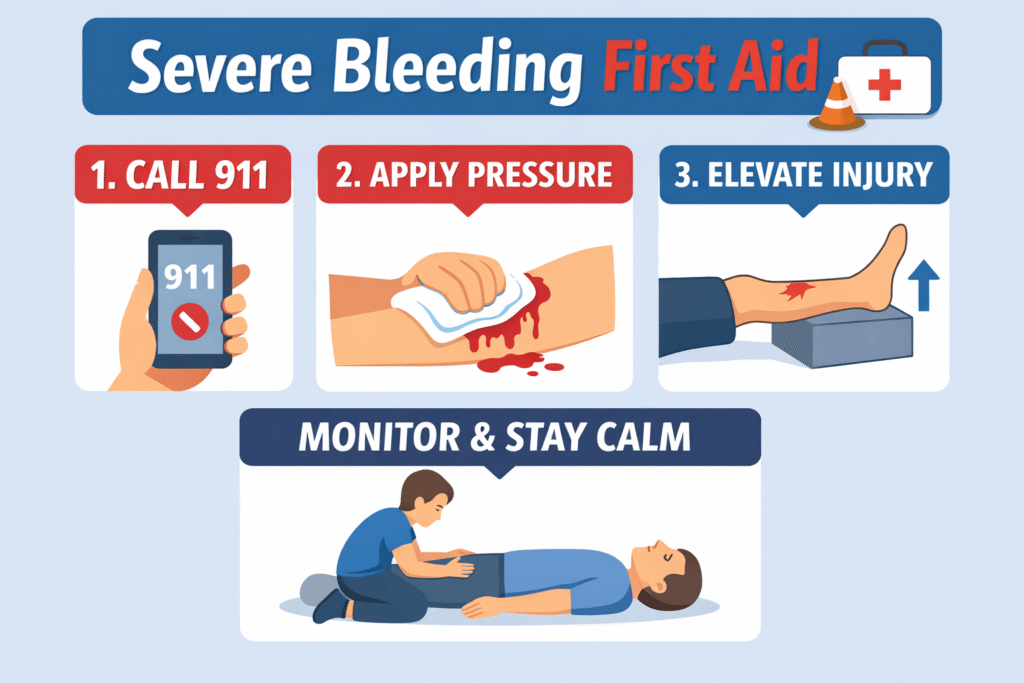
Severe bleeding first aid guide

Recognizing and Responding to Severe Bleeding Injuries: Workplace First Aid Awareness in Canada

Understanding Severe Bleeding and Traumatic Injuries Severe bleeding, also known as major external bleeding, is a life-threatening condition that can occur when blood vessels are damaged due to trauma such as cuts, punctures, or impact injuries. While incidents like shootings are uncommon in most Canadian workplaces, the first aid response principles for severe bleeding are

Recognizing and Responding to Severe Bleeding Injuries: Workplace First Aid Awareness in Canada Read More »

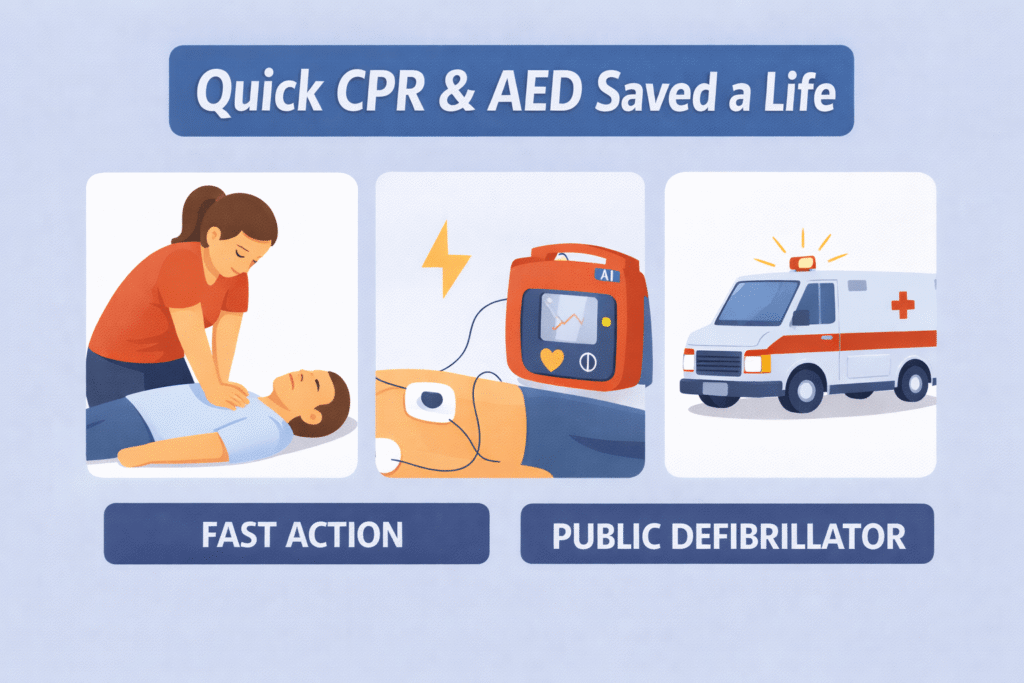
AED Accessibility in Canadian Cities: Why Placement Matters for Cardiac Emergencies

Understanding AEDs and Cardiac Arrest Response An automated external defibrillator (AED) is a portable device used to help restore a normal heart rhythm during cardiac arrest. Cardiac arrest occurs when the heart suddenly stops beating due to an electrical issue, preventing blood from circulating to the brain and vital organs. AEDs are designed for public

AED Accessibility in Canadian Cities: Why Placement Matters for Cardiac Emergencies Read More »

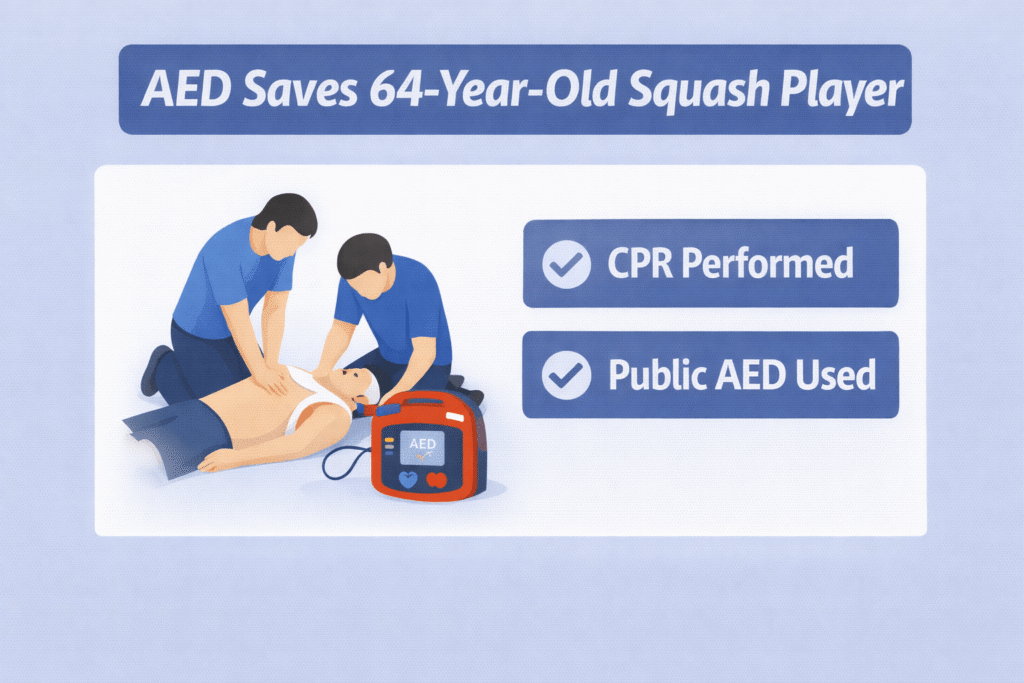
AED used to save squash player

AED and CPR in Sports Facilities: Quick Response to Cardiac Arrest in Canada

Understanding Cardiac Arrest During Physical Activity Cardiac arrest occurs when the heart suddenly stops beating due to an electrical problem. It can happen without warning, including during or after physical activity such as sports. Immediate response—especially CPR (cardiopulmonary resuscitation) and the use of an automated external defibrillator (AED)—is critical in helping restore circulation and improving

AED and CPR in Sports Facilities: Quick Response to Cardiac Arrest in Canada Read More »

Infant Water Safety and First Aid: Responding to Near Drowning at Home

Understanding Near Drowning in Infants Near drowning occurs when a person is rescued after being unable to breathe in water. For infants and young children, even a brief submersion can be serious because their airways are small and they cannot protect themselves. Immediate rescue and early first aid, including CPR if needed, are critical in

Infant Water Safety and First Aid: Responding to Near Drowning at Home Read More »

Near Drowning in Public Pools: Child Water Safety and CPR Awareness in Canada

Understanding Near Drowning and Water Emergencies A near drowning occurs when a person is rescued after being unable to breathe in water. Even if breathing is restored, the situation can remain serious due to lack of oxygen. Immediate response—especially rescue from water and CPR if needed—is critical in supporting recovery. Children are particularly vulnerable, and

Near Drowning in Public Pools: Child Water Safety and CPR Awareness in Canada Read More »

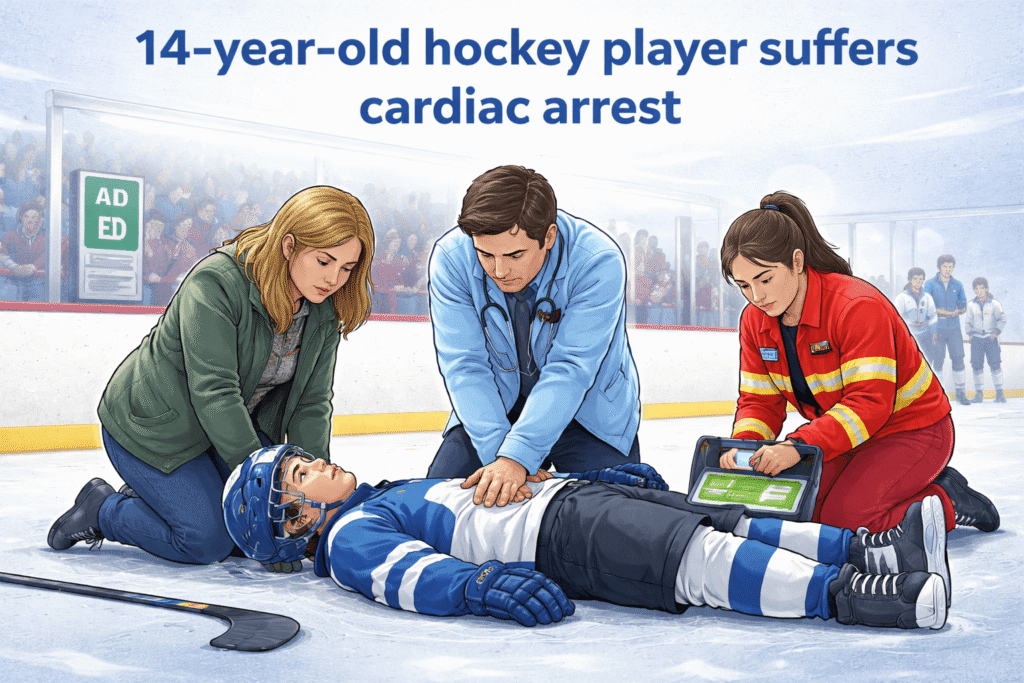
Emergency care on the ice

CPR and AED Readiness in Sports: Cardiac Emergencies on the Ice

Understanding Sudden Cardiac Arrest in Youth Sports Sudden cardiac arrest can occur when the heart’s electrical system is disrupted, causing it to stop beating effectively. In rare cases, a strong impact to the chest—such as from a puck or ball—can trigger a dangerous heart rhythm. Immediate response with CPR and an automated external defibrillator (AED)

CPR and AED Readiness in Sports: Cardiac Emergencies on the Ice Read More »

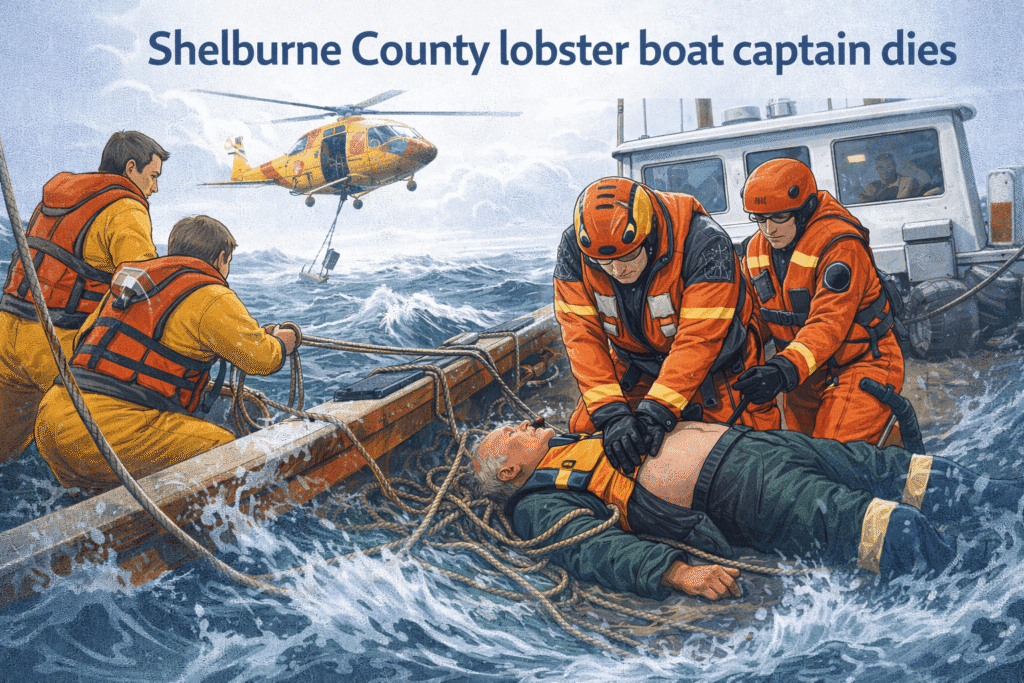
Lobster boat rescue at sea

Marine Safety and First Aid: Responding to Overboard Incidents in Canadian Waters

Understanding Overboard Incidents and Water Emergencies Working on the water—especially in commercial fishing—comes with serious risks. One of the most dangerous situations is being pulled overboard, often due to entanglement in ropes or equipment. These incidents can lead to drowning, hypothermia, or severe trauma. Even with safety equipment like personal flotation devices (PFDs), quick rescue

Marine Safety and First Aid: Responding to Overboard Incidents in Canadian Waters Read More »

Pedestrian Safety and First Aid: Responding to Vehicle Collisions in BC

Understanding Pedestrian Injuries and Road Safety Pedestrian-related incidents can occur quickly, even in controlled areas such as marked crosswalks. Injuries may range from minor cuts and bruises to more serious trauma depending on the impact. In these situations, immediate first aid and quick response from bystanders or trained personnel can help stabilize the injured person

Pedestrian Safety and First Aid: Responding to Vehicle Collisions in BC Read More »

Pedestrian Collision Awareness: First Aid and Road Safety in Abbotsford

Understanding Pedestrian Collisions and Injury Risks Pedestrian collisions can result in serious injuries due to the lack of physical protection compared to vehicles. Even at intersections and controlled areas, unexpected movements, visibility issues, or timing can lead to incidents. In these situations, immediate first aid and quick emergency response are important in supporting the injured

Pedestrian Collision Awareness: First Aid and Road Safety in Abbotsford Read More »

Serving the Vancouver Lower Mainland with the lowest priced, highest quality safety, CPR, food safe and first aid training since 2010.

Shopping Cart
Scroll to Top
Call Now Button
Maple Leaf Support local, Canadian-owned businesses, with no connections to American corporations or partnerships. Maple Leaf
This is default text for notification bar