A. Clarke
As a certified first responder and registered nurse, Arthur Clarke provides a variety of health-related topics, specifically on first aid care. With years of experience as a nurse, he eventually decided to offer first aid classes in his hometown. As part of the services he provides, he also dedicates his free time on sharing and providing a variety of first aid topics to several websites which he claims as his way of creating awareness on the topic.
Understanding Skiing-Related Injuries Skiing and snowboarding are popular winter activities across Canada, but they come with risks—especially at higher speeds or on challenging terrain. Collisions with obstacles such as trees can result in head injuries, loss of consciousness, or breathing emergencies. In these situations, rapid response, early first aid, and CPR when needed are critical […]
Ski Safety and First Aid: Responding to Serious Injuries on the Slopes Read More »
Understanding Sudden Cardiac Emergencies Sudden cardiac emergencies can occur without warning in everyday environments such as stores, workplaces, or public spaces. When a person collapses and is not breathing normally or has no pulse, immediate action is required. Cardiopulmonary resuscitation (CPR) helps maintain blood flow and oxygen to vital organs until emergency medical services arrive.
CPR in Public Places: How Training Helped Save a Life in a Retail Setting Read More »
Understanding Emergency Response in Public Settings Serious incidents can occur unexpectedly in public spaces such as parks, sports fields, and community facilities. In these situations, rapid first aid and CPR can play a critical role in stabilizing an injured person until emergency medical services arrive. Even without advanced medical equipment, trained bystanders can provide meaningful
Emergency First Aid in Public Spaces: Responding Quickly to Serious Injuries Read More »
Understanding Cardiac Emergencies in the Workplace Cardiac emergencies can happen suddenly, even in structured and safety-focused environments like industrial worksites. When a person becomes unconscious and not breathing normally, immediate action—especially CPR and the use of an automated external defibrillator (AED)—can help restore a normal heart rhythm. Quick, coordinated response from trained team members is
Workplace CPR and AED Use: Team Response Saves a Life on a Job Site Read More »
Understanding Cardiac Emergencies While Driving Medical emergencies such as heart attacks or sudden cardiac arrest can occur anywhere—including while driving. When a person becomes unresponsive or stops breathing normally, immediate assistance is critical. Early CPR and the use of an automated external defibrillator (AED) can help restore circulation and improve the chances of survival until
CPR and AED Response on the Road: How Quick Action Saved a Life in Delta Read More »
Understanding Sudden Cardiac Arrest at Home Sudden cardiac arrest can occur without warning, even in individuals with no known history of heart conditions. When a person becomes unresponsive and stops breathing normally, immediate CPR and the use of an automated external defibrillator (AED) can help restore a normal heart rhythm. Early action in the first
CPR and AED Save a Life: Abbotsford Cardiac Arrest Survival Story Read More »
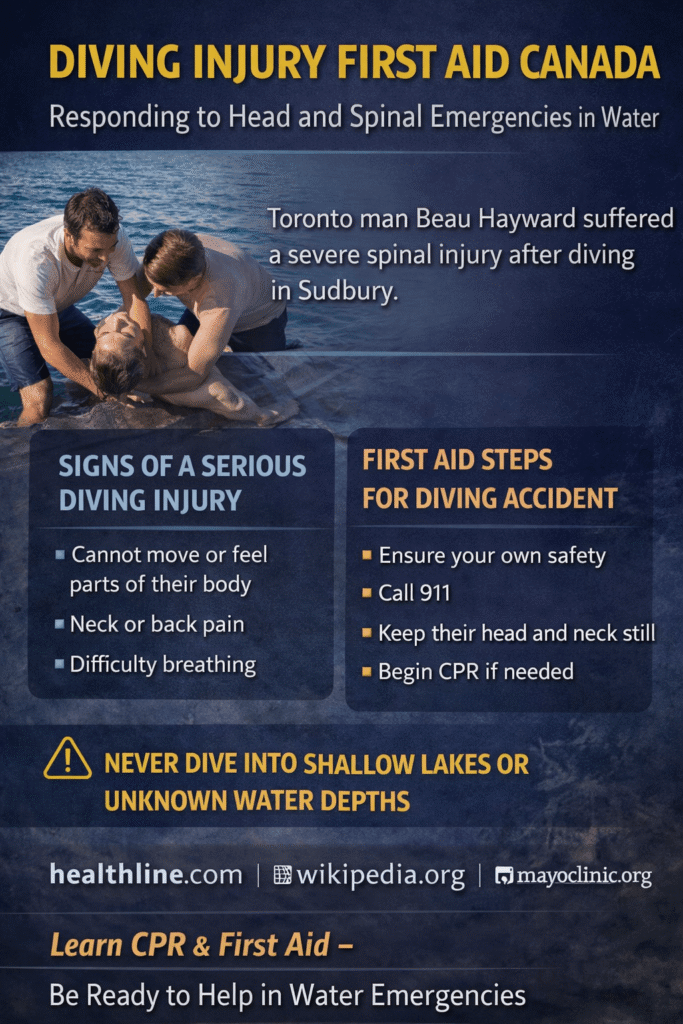
Understanding Diving-Related Injuries Diving into shallow or unfamiliar water can result in serious injuries, particularly to the head, neck, and spine. A forceful impact can cause vertebral fractures or spinal cord compression, which may affect movement, breathing, or consciousness. In water-related emergencies, quick recognition, safe rescue, and first aid response are essential. First Aid &
Diving Injuries and First Aid: Responding to Head and Spinal Emergencies in Water Read More »
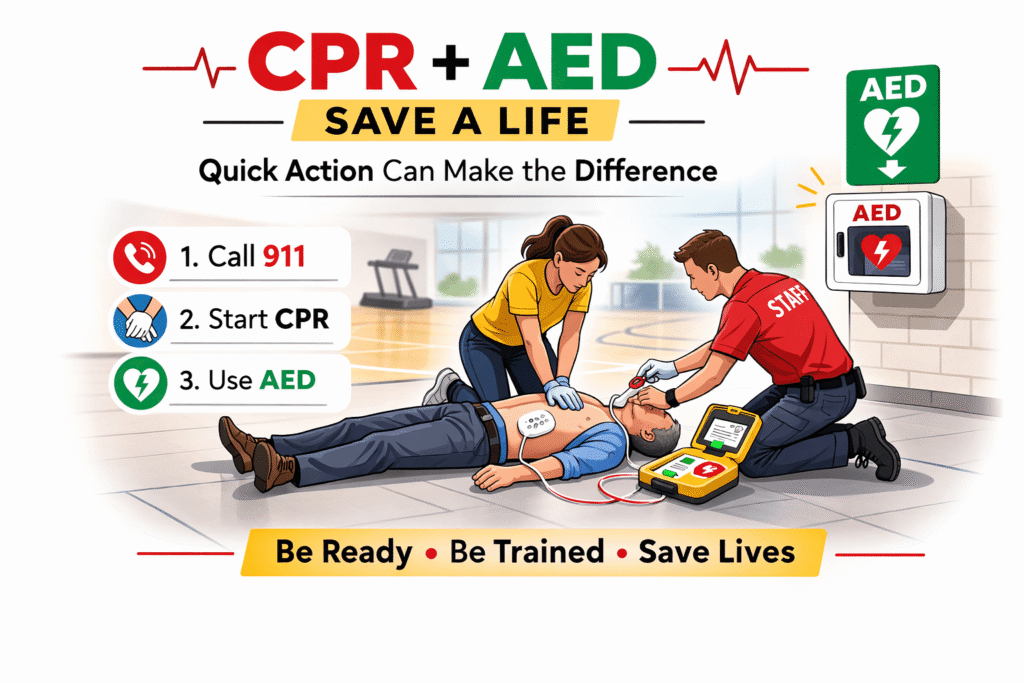
Understanding Cardiac Arrest During Physical Activity Sudden cardiac arrest can occur during or after physical activity, even in individuals who appear healthy. It happens when the heart’s electrical system malfunctions, causing it to stop pumping effectively. When a person becomes unresponsive, not breathing normally, and without a pulse, immediate CPR and the use of an
CPR and AED in Recreational Facilities: How Quick Action Saved a Life Read More »
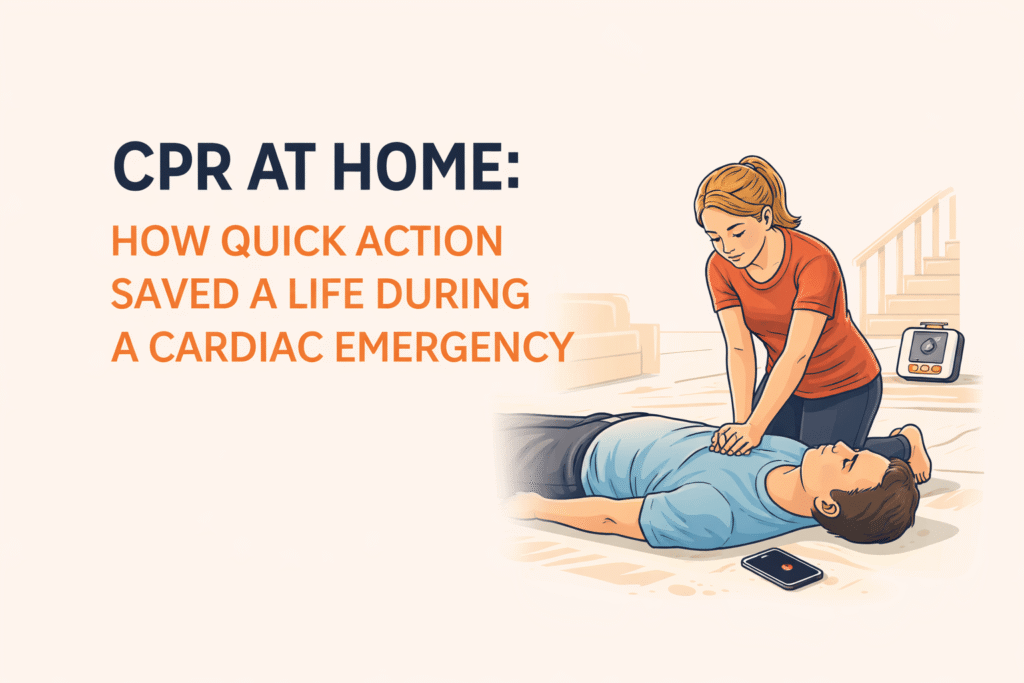
CPR at Home: How Quick Action Saved a Life During a Cardiac Emergency Understanding Cardiac Emergencies at Home Sudden cardiac arrest can happen without warning, even during everyday activities like exercising at home. When a person becomes unresponsive, not breathing normally, and without a pulse, immediate CPR is essential to maintain blood flow to the
CPR at Home: How Quick Action Saved a Life During a Cardiac Emergency Read More »
Understanding Cardiac Emergencies in Public Settings Sudden cardiac arrest can occur anywhere—including busy public venues like sports arenas. When a person becomes unresponsive, not breathing normally, and without a pulse, immediate CPR can help maintain circulation until emergency medical services arrive. Quick action from trained bystanders is often a critical link in survival. First Aid
CPR at a Hockey Game: Quick Action by a Paramedic Goalie Helps Save a Life Read More »
Serving the Vancouver Lower Mainland with the lowest priced, highest quality safety, CPR, food safe and first aid training since 2010.

 Support local, Canadian-owned businesses, with no connections to American corporations or partnerships.