loading...
A serious multi-vehicle collision in Chilliwack serves as a reminder that road emergencies can escalate quickly — and that bystander first aid knowledge can be critical before paramedics arrive. Motor vehicle crashes remain a leading cause of traumatic injury in British Columbia. Whether commuting through Vancouver, travelling the Fraser Valley, or working in transportation-related industries,
Multi-Vehicle Crash in Chilliwack: Why CPR and First Aid Training Matter in BC Read More »
An incident at the Edmonton Remand Centre highlights the reality that medical emergencies can occur in any environment — including correctional facilities — and that CPR is often initiated immediately when someone is found unresponsive. While not every resuscitation effort results in survival, early CPR remains a critical part of emergency response across Canada, including
Remand Centre inmate receives immediate CPR Read More »
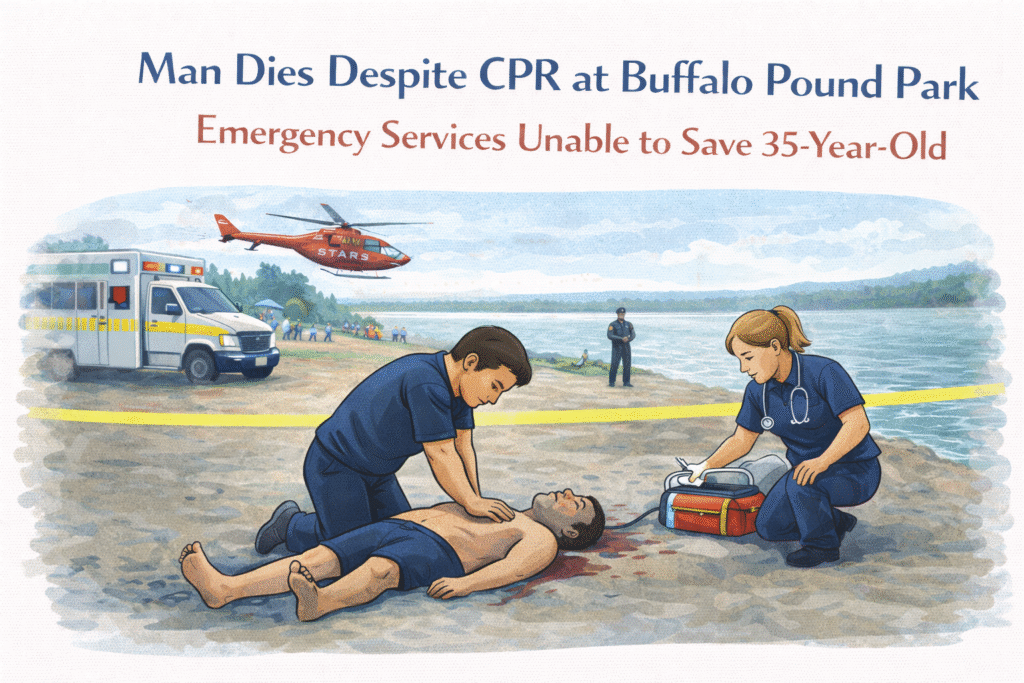
A drowning at Buffalo Pound Provincial Park serves as a reminder that water emergencies can happen quickly — even during family gatherings and recreational outings. Across Canada, including Vancouver and throughout British Columbia, lakes and beaches are popular destinations during warmer months. Understanding water safety and basic CPR principles is an important part of community
Buffalo Pound Provincial Park Drowning: Water Safety and CPR Awareness Read More »
Drowning occurs when a person is unable to breathe due to submersion or immersion in water. When oxygen cannot reach the lungs and brain, the body can quickly become deprived of the oxygen needed for vital functions. In these situations, rapid rescue and early cardiopulmonary resuscitation (CPR) may help support circulation and breathing until professional
Drowning Emergencies and CPR: Understanding Water Safety and Rescue Risks Read More »
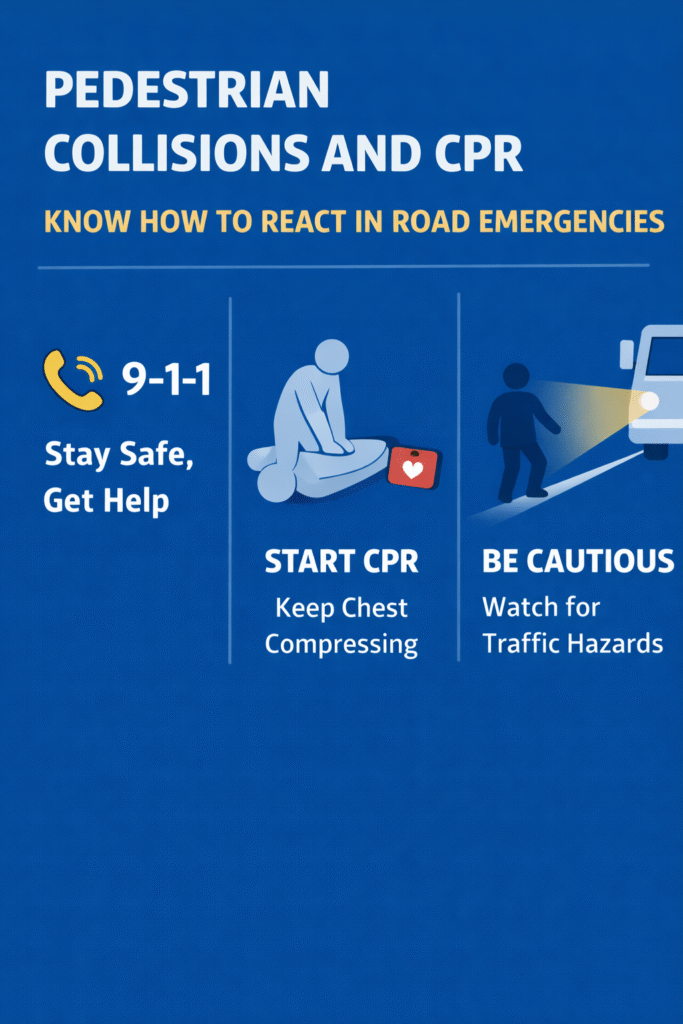
Serious vehicle collisions can cause life-threatening injuries that may affect breathing and circulation. When a person becomes unconscious or stops breathing normally, cardiopulmonary resuscitation (CPR) may help maintain blood flow and oxygen to the brain until paramedics arrive. Across British Columbia, including Vancouver and the Lower Mainland, many workplaces and community organizations encourage CPR and
Pedestrian Collision in Pitt Meadows: Why Bystander CPR Can Matter in Road Emergencies Read More »
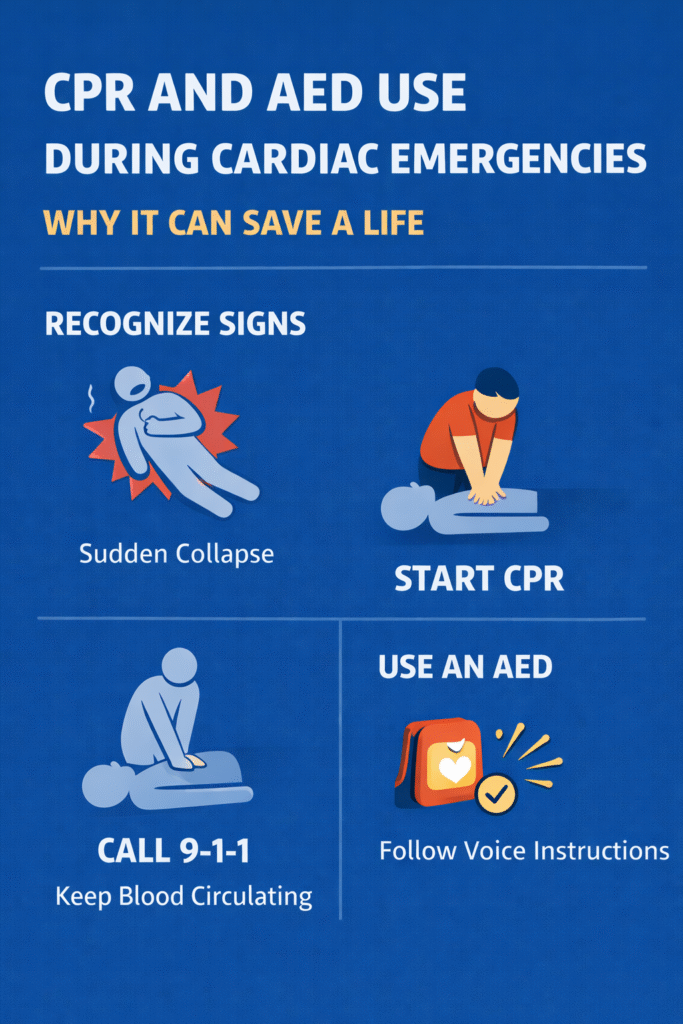
A sudden cardiac emergency occurs when the heart stops pumping effectively, preventing blood and oxygen from reaching vital organs. When this happens, a person may collapse, lose consciousness, and stop breathing normally. Cardiopulmonary resuscitation (CPR) and the use of an automated external defibrillator (AED) can help maintain circulation and restore a normal heart rhythm until
Cardiac Emergencies at Border Crossings: How CPR and AED Use Can Save Lives Read More »
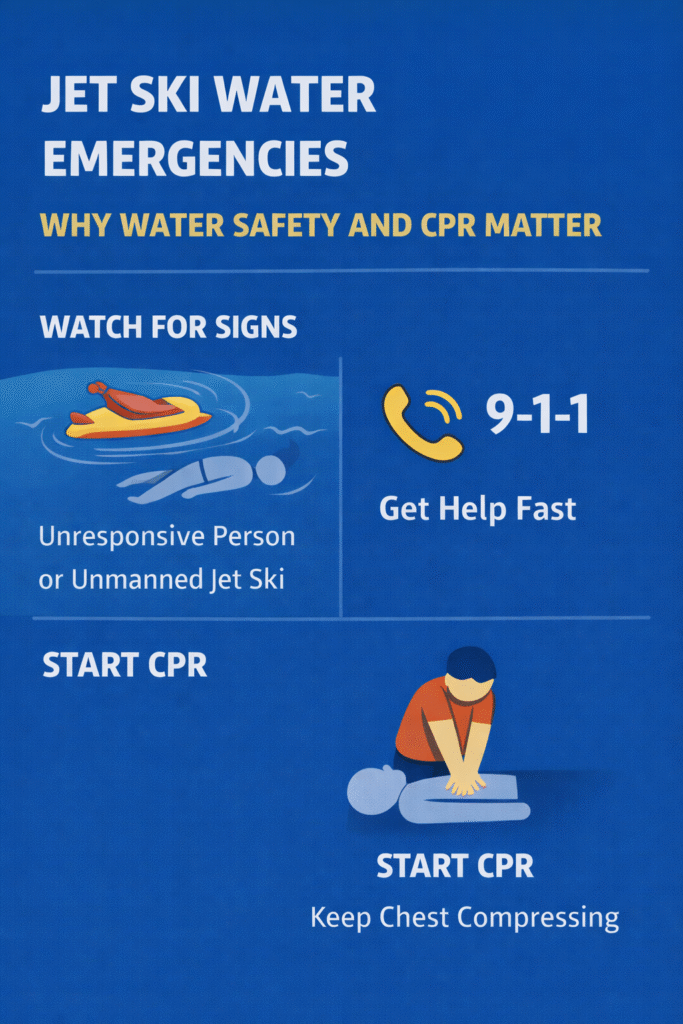
Water recreation activities such as boating and personal watercraft use can be enjoyable, but they also carry safety risks. When a person becomes submerged or loses consciousness in water, breathing can stop quickly. In these situations, cardiopulmonary resuscitation (CPR) may help maintain circulation and oxygen flow until emergency responders arrive. Across Canada, including British Columbia
Jet Ski Water Emergencies: Why CPR and Water Safety Awareness Matter Read More »
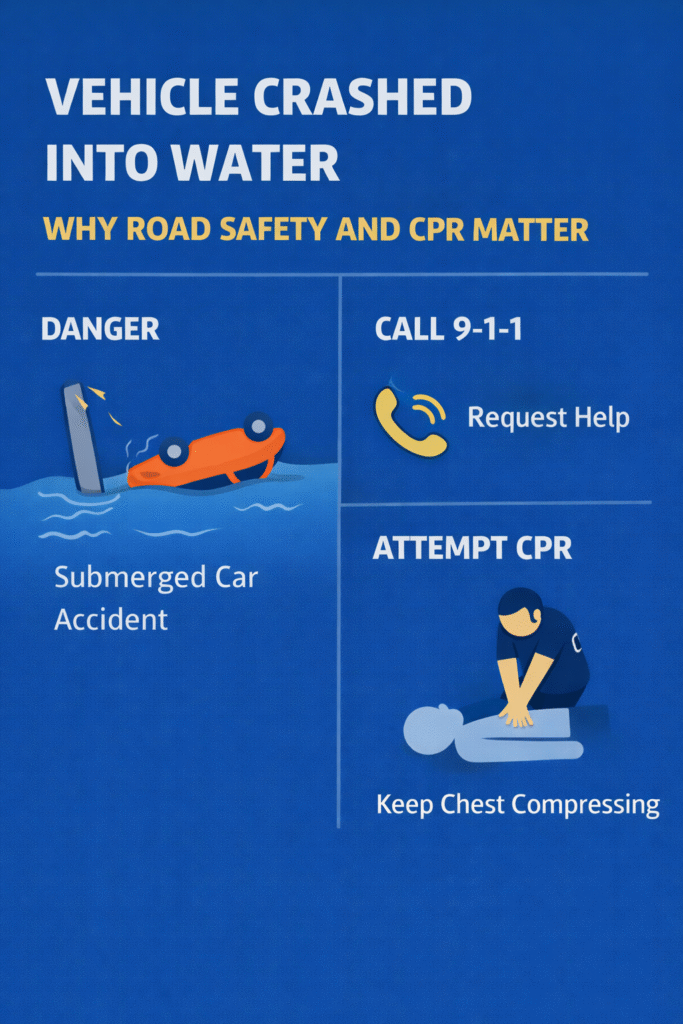
Vehicle crashes near rivers, lakes, or coastal roads can sometimes lead to vehicles entering the water. When a vehicle becomes submerged, occupants may quickly face life-threatening conditions due to limited air supply, cold water exposure, or injuries from the collision. In these emergencies, rapid rescue and cardiopulmonary resuscitation (CPR) may be attempted once a person
Vehicle Submerged in Water: Road Safety and CPR Awareness in Water-Related Crashes Read More »
Serving the Vancouver Lower Mainland with the lowest priced, highest quality safety, CPR, food safe and first aid training since 2010.