loading...
Understanding Structural Accidents and Emergency Response Accidents involving structural failures—such as a deck or balcony collapse—can occur suddenly and affect many people at once. These incidents may lead to injuries ranging from minor cuts and bruises to fractures or more serious trauma. When large gatherings are involved, quick first aid response from bystanders can help […]
Deck Collapse in Langley Highlights the Importance of First Aid Preparedness Read More »
Understanding CPR in Everyday Emergencies Cardiopulmonary resuscitation (CPR) is a first aid technique used when a person’s heart stops beating effectively or when they are not breathing normally. CPR helps circulate blood to vital organs until professional medical help arrives. Across British Columbia and the Lower Mainland—including Vancouver, Burnaby, Surrey, and Coquitlam—CPR training is often
CPR on Public Transit: College Student Responds to Medical Emergency Read More »
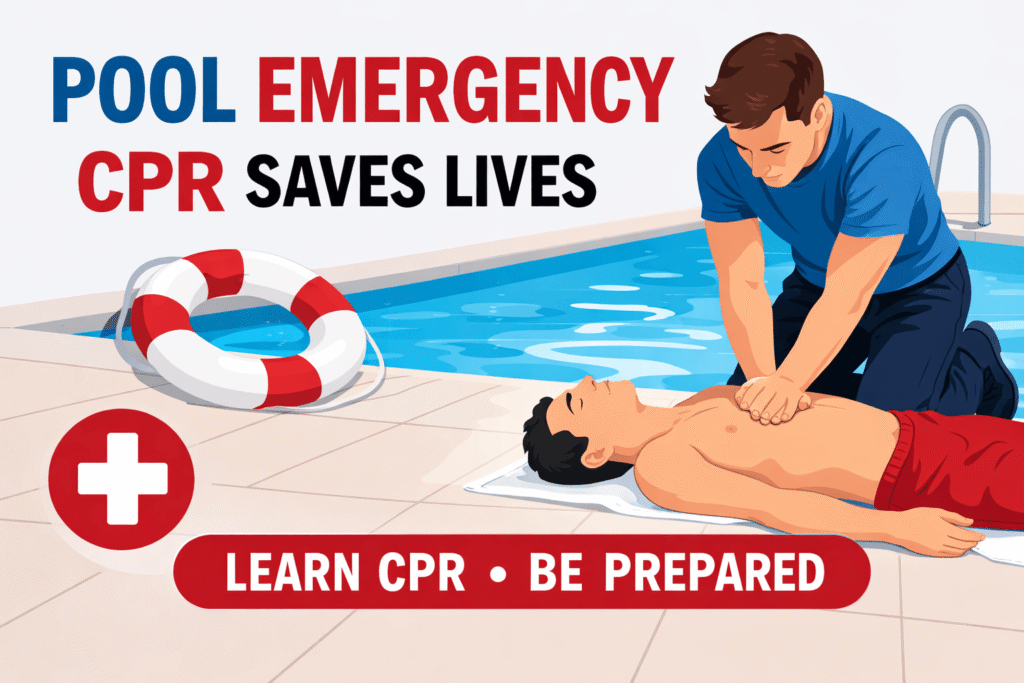
Understanding Water-Related Medical Emergencies Water-related emergencies, including drowning or near-drowning incidents, can occur quickly and without warning. When a person is submerged or unable to breathe normally in water, oxygen levels in the body can drop rapidly. In these situations, immediate assistance and CPR may help maintain circulation and breathing until emergency medical services arrive.
CPR Response After Pool Emergency in a Condominium Building Read More »
Police Officer Uses CPR and AED to Help Cardiac Arrest Victim Understanding Cardiac Arrest and Emergency Response Sudden cardiac arrest occurs when the heart suddenly stops pumping blood effectively. Without immediate assistance, blood flow to the brain and other vital organs stops. In these situations, early recognition, CPR (cardiopulmonary resuscitation), and the use of an
Police Officer Uses CPR and AED to Help Cardiac Arrest Victim Read More »
Understanding Infant CPR and Emergency Response Cardiopulmonary resuscitation (CPR) is a life-saving first aid technique used when a person is unresponsive and not breathing normally. For infants, CPR uses modified techniques designed for smaller bodies and delicate airways. Quick recognition of an emergency and immediate assistance can help support breathing and circulation until professional medical
Infant Revived After Bystanders Perform CPR With Dispatcher Guidance Read More »
Understanding CPR and AED Response in Schools Sudden cardiac arrest can occur unexpectedly, even among young people. When the heart suddenly stops beating effectively, blood circulation to the brain and vital organs is interrupted. In these situations, immediate CPR and rapid use of an automated external defibrillator (AED) can help support the body until emergency
School Staff Use AED to Help Student During Cardiac Emergency Read More »
Understanding Cardiac Arrest and Workplace Emergency Response Sudden cardiac arrest occurs when the heart stops pumping blood effectively. When this happens, oxygen circulation to the brain and other vital organs quickly decreases. Immediate action—such as calling emergency services, starting CPR (cardiopulmonary resuscitation), and using an automated external defibrillator (AED)—can help support the body until paramedics
Co-Workers Use CPR and AED to Help Save a Man During Workplace Cardiac Emergency Read More »
Understanding Emergency Response After Traffic Collisions Traffic collisions involving pedestrians can lead to serious injuries that require immediate medical attention. In these situations, bystanders may provide first aid—such as calling emergency services, controlling bleeding, or performing CPR—while waiting for paramedics to arrive. Across British Columbia and the Lower Mainland, including Richmond, Vancouver, Burnaby, and Surrey,
Pedestrian Collision in Richmond Highlights Importance of First Aid and Road Safety Read More »
Understanding Emergency Response in Institutional Settings Medical emergencies can occur in many environments, including workplaces, public facilities, and institutional settings such as correctional centres. When someone becomes unresponsive, staff members are often responsible for recognizing the emergency and providing immediate assistance until paramedics arrive. Across British Columbia and the Lower Mainland—including Abbotsford, Vancouver, and Surrey—first
Prison Inquest Highlights Importance of CPR Training and Emergency Preparedness Read More »
Serving the Vancouver Lower Mainland with the lowest priced, highest quality safety, CPR, food safe and first aid training since 2010.

 Support local, Canadian-owned businesses, with no connections to American corporations or partnerships.