loading...
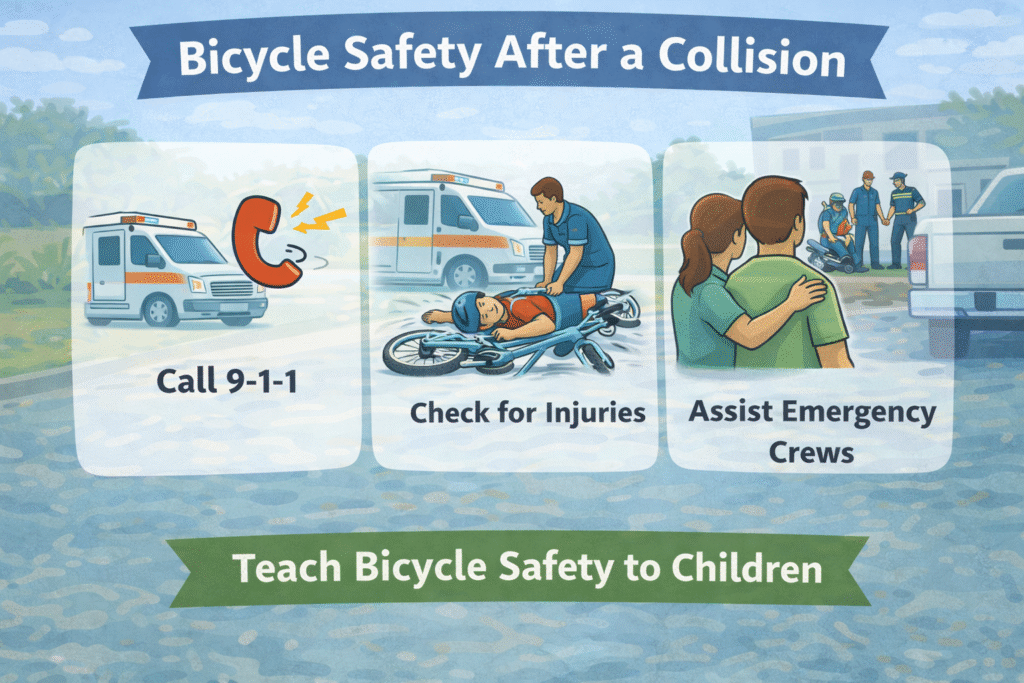
Cycling is a common activity for children across Canada, including Vancouver and communities throughout British Columbia. Riding a bicycle supports physical activity, independence, and outdoor recreation. However, roads and residential streets also present safety risks when bicycles and motor vehicles share the same space. Because of these risks, communities and schools across BC emphasize road […]
First aid given to child after struck by truck Read More »
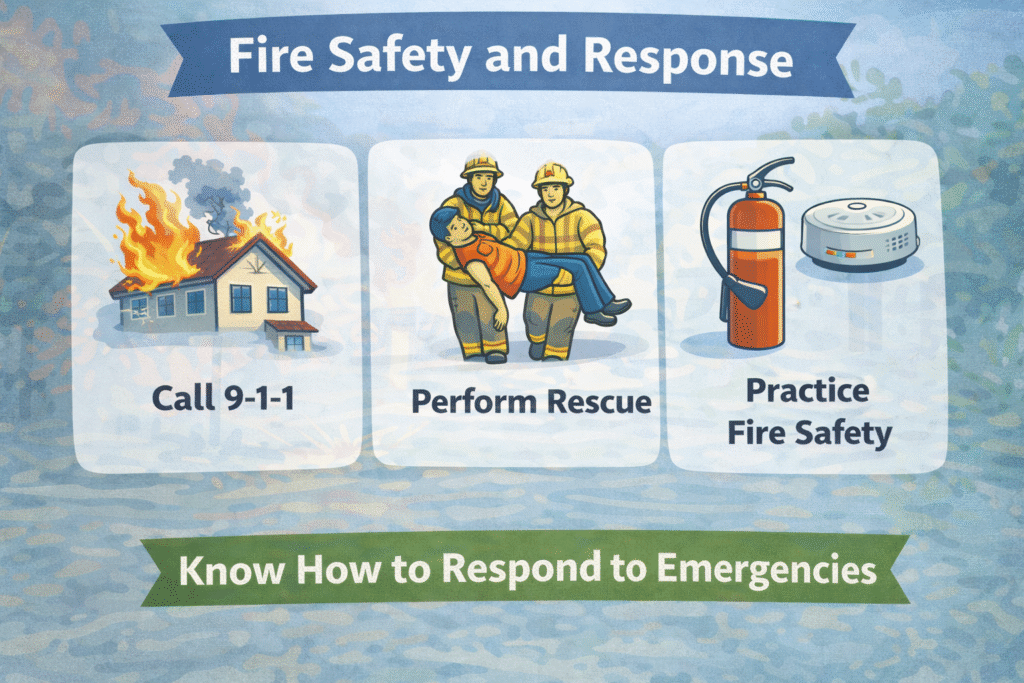
Residential fires can develop quickly and may create dangerous conditions such as smoke, heat, and structural damage. Fire departments across Canada, including Vancouver and throughout British Columbia, respond to thousands of residential fires each year. Emergency crews are trained to rescue occupants, control the fire, and provide immediate first aid care when individuals are found
Fire Safety and Emergency Response Awareness: Lessons from a Residential Fire Read More »
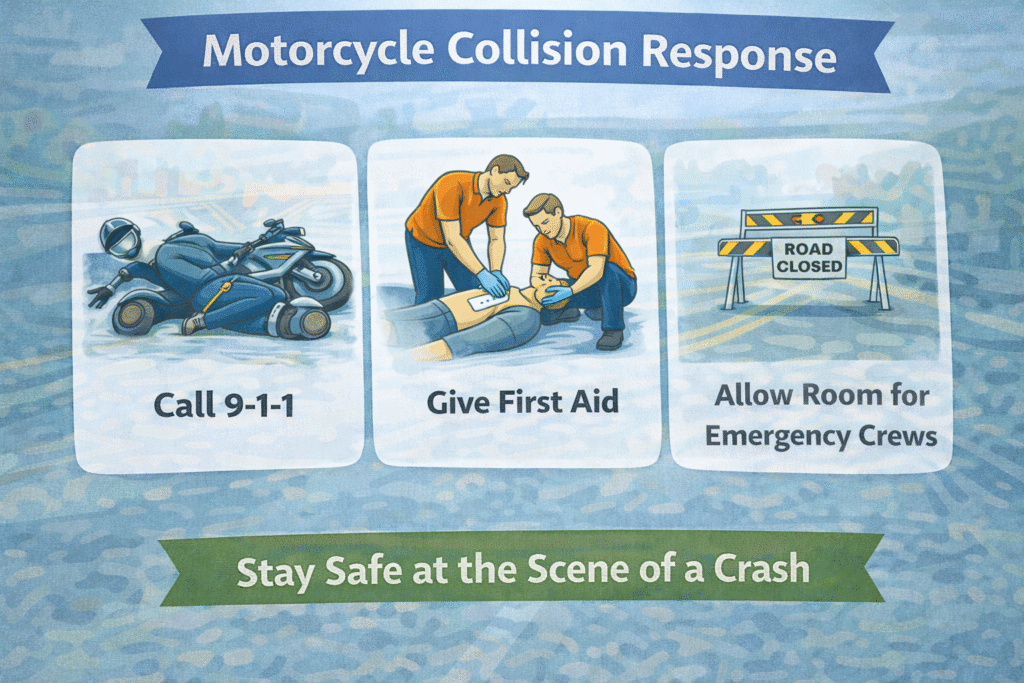
Motorcycles share the road with larger vehicles, but riders have less physical protection compared with drivers inside cars or trucks. Because of this, collisions involving motorcycles can lead to serious injuries, even at moderate speeds. Across Canada, including Vancouver and communities throughout British Columbia, road safety education emphasizes both defensive driving and first aid awareness.
Motorcycle Collision Awareness and First Aid Response on Canadian Roads Read More »
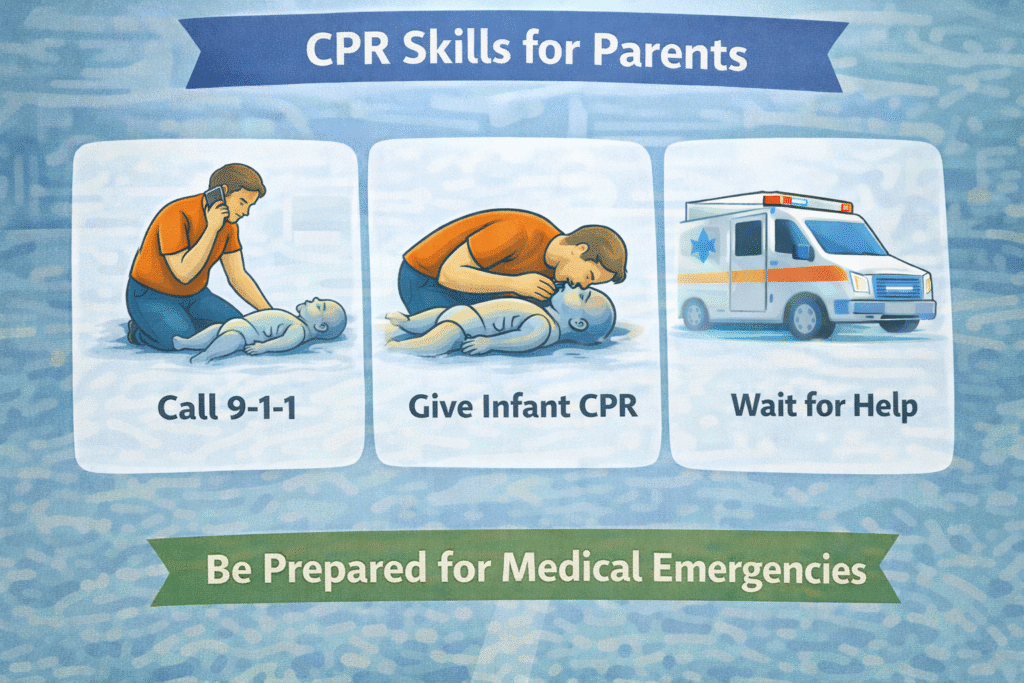
Infants can experience breathing difficulties for many reasons, including illness, airway obstruction, or sudden medical events. When a baby stops breathing or becomes unresponsive, immediate action is critical while emergency medical services are contacted. Across Canada, including Vancouver and communities throughout British Columbia, many parents, caregivers, and childcare providers choose to complete infant first aid
Infant CPR Awareness: How First Aid Training Can Help Parents Respond to Emergencies Read More »
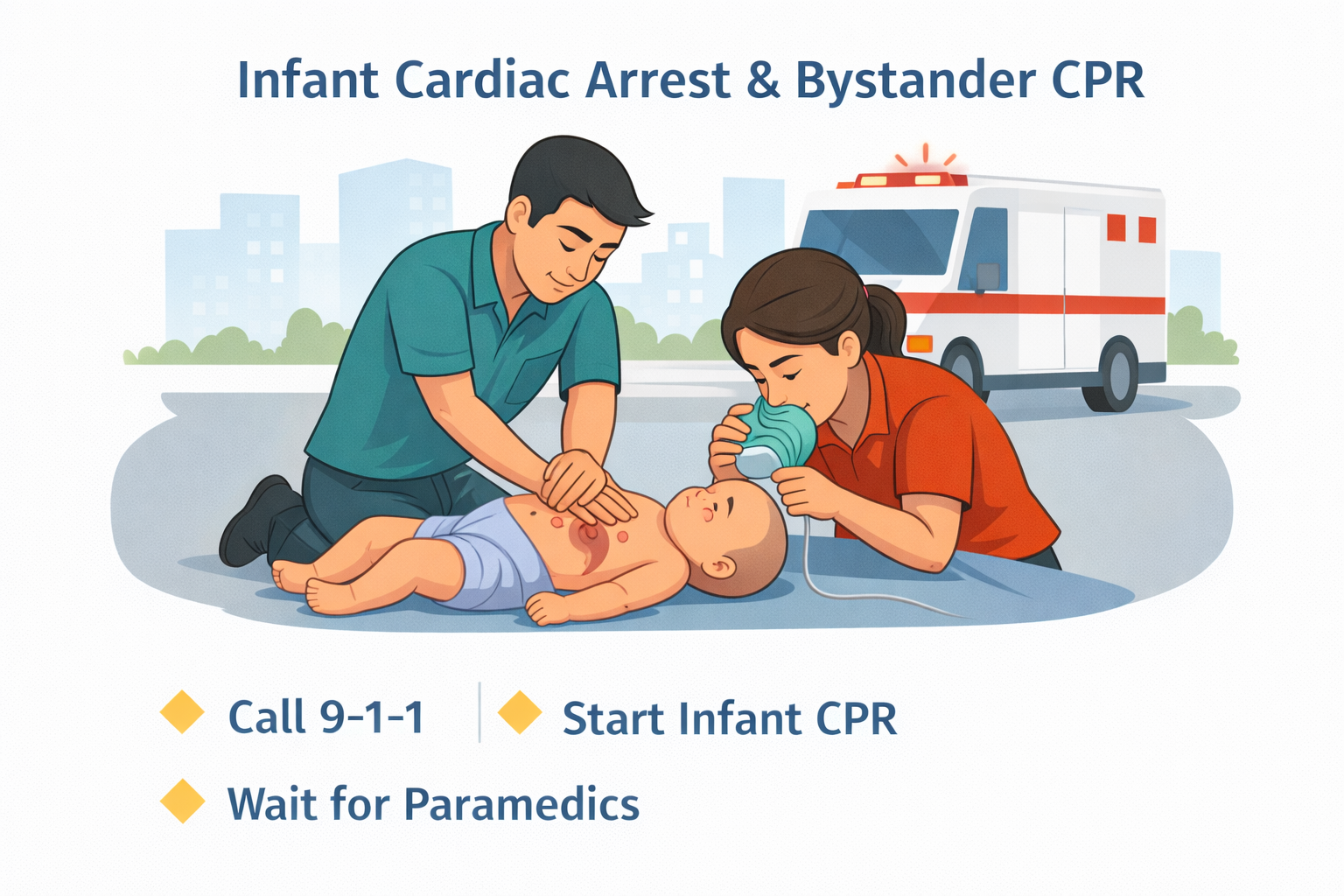
Understanding Infant Cardiac Arrest and Breathing Emergencies Cardiac arrest in infants occurs when the heart stops effectively pumping blood, often following a serious breathing emergency. In babies, cardiac arrest is frequently related to problems with breathing rather than primary heart disease. When breathing stops, oxygen levels fall quickly, which can lead to loss of consciousness
Infant Cardiac Arrest and Bystander CPR: How Quick Action Helped Save a Baby’s Life Read More »
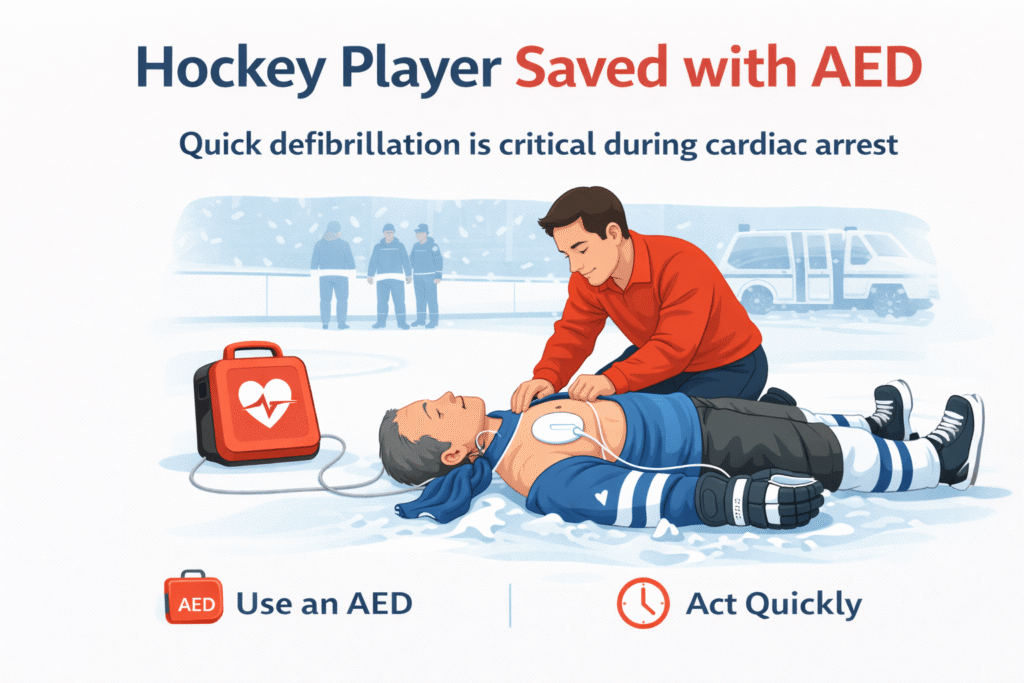
Understanding Cardiac Arrest and Defibrillation Sudden cardiac arrest occurs when the heart unexpectedly stops beating effectively. When this happens, blood circulation to the brain and vital organs stops, and the person may collapse and lose consciousness. Immediate action—especially cardiopulmonary resuscitation (CPR) and the use of an automated external defibrillator (AED)—can help restore heart rhythm and
Hockey Player Revived with AED at Arena: Why Quick Defibrillation Matters Read More »
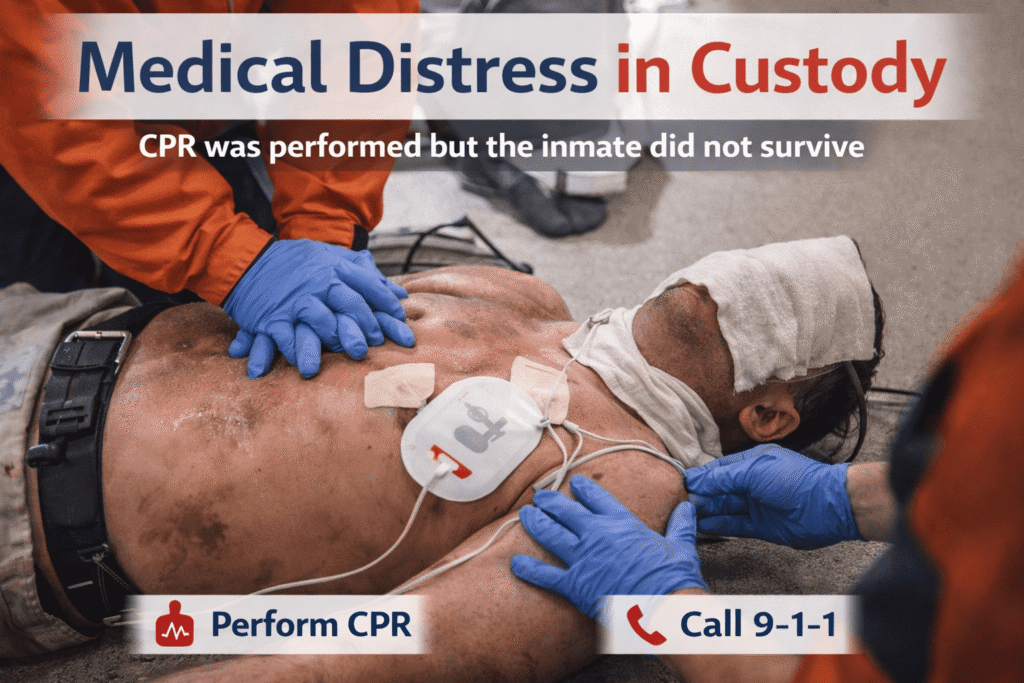
Understanding Cardiac Arrest and Emergency Response Cardiac arrest occurs when the heart suddenly stops pumping blood effectively. When this happens, oxygen can no longer circulate to the brain and other vital organs. Immediate response—such as cardiopulmonary resuscitation (CPR) and advanced medical care—may help support circulation until professional treatment is available. Across Canada, including British Columbia
CPR and Emergency Response During Medical Distress in Custody Settings Read More »
Understanding Overdose and Cardiac Arrest Drug overdoses can sometimes lead to serious medical emergencies, including breathing problems, loss of consciousness, or cardiac arrest. Cardiac arrest occurs when the heart suddenly stops pumping blood effectively, preventing oxygen from reaching the brain and other vital organs. Immediate assistance—such as cardiopulmonary resuscitation (CPR)—can help maintain circulation until emergency
Man who overdoses at camp received CPR Read More »
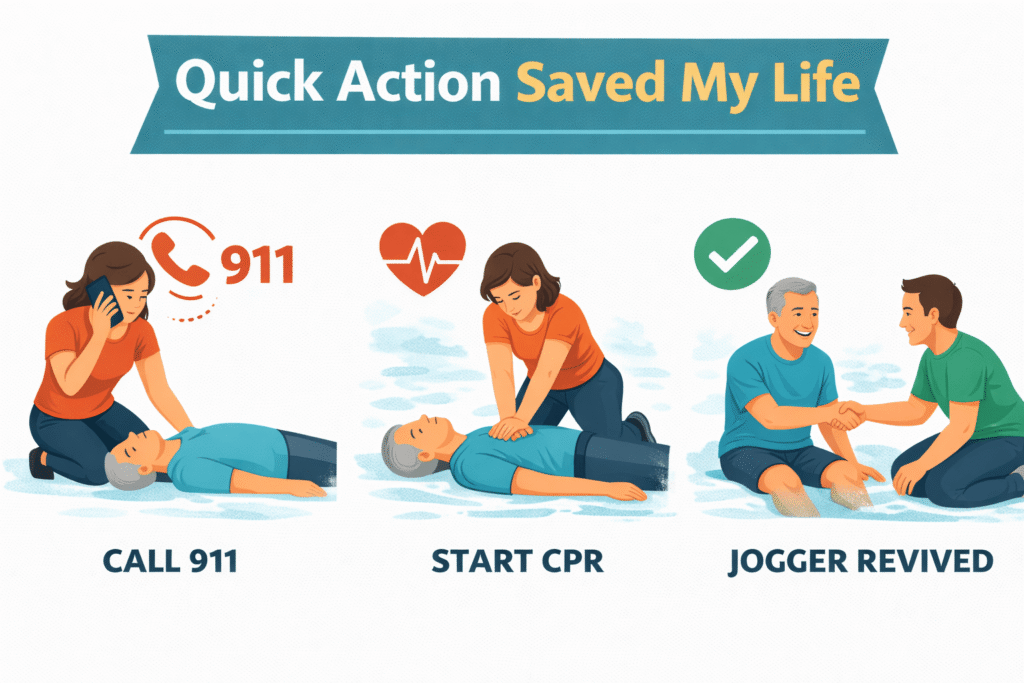
Sudden cardiac arrest can occur without warning, even during routine activities such as jogging or walking. Cardiac arrest happens when the heart suddenly stops pumping effectively, preventing oxygen-rich blood from reaching the brain and other vital organs. In Canada, including Vancouver and throughout British Columbia, workplace and community first aid training often emphasizes CPR and
Bystander CPR Saves Lives: A Jogger Revived by Quick Action Read More »
Serving the Vancouver Lower Mainland with the lowest priced, highest quality safety, CPR, food safe and first aid training since 2010.