loading...
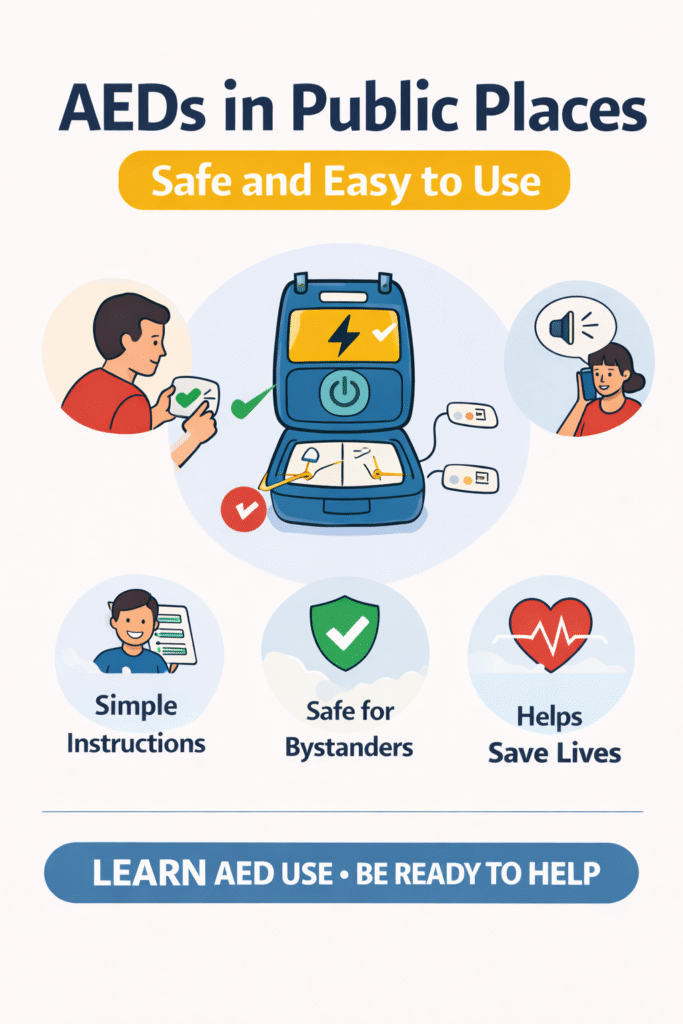
An automated external defibrillator (AED) is a portable device designed to help restore a normal heart rhythm during certain cardiac emergencies, particularly sudden cardiac arrest. The device analyzes the heart’s rhythm and, when appropriate, delivers an electrical shock to help the heart restart an effective beat. Across Canada, including Vancouver and British Columbia, AEDs are
Automated External Defibrillators (AEDs): Public Access and Life-Saving Technology Read More »
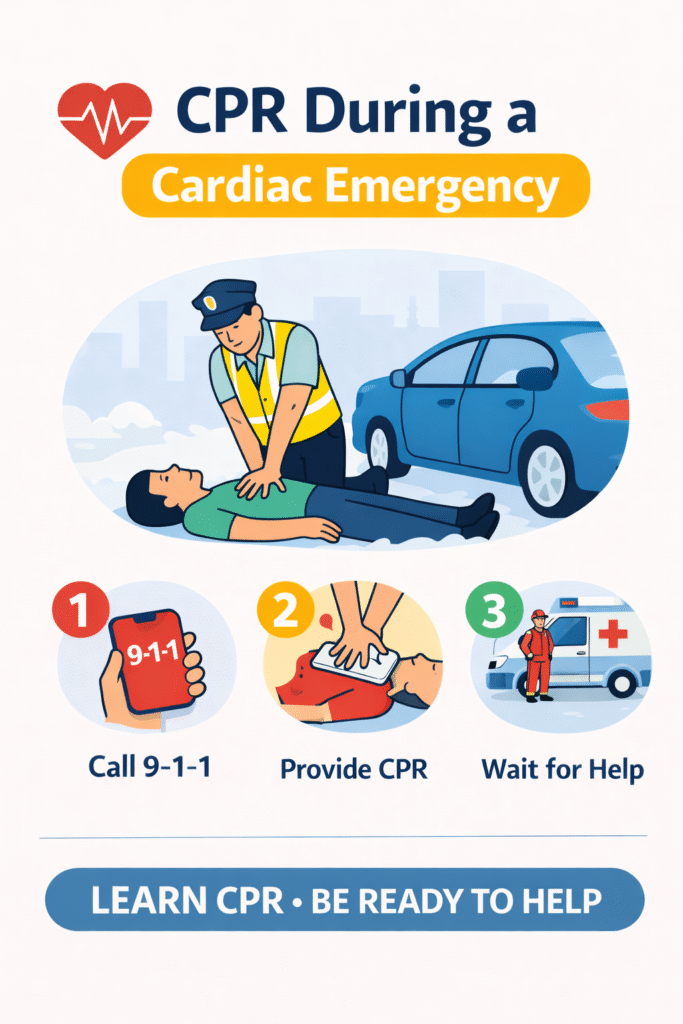
Cardiac emergencies such as heart attacks and sudden cardiac arrest can occur unexpectedly in everyday situations. When the heart stops pumping effectively, oxygen-rich blood cannot circulate to vital organs, including the brain. Cardiopulmonary resuscitation (CPR) is a first aid technique designed to help maintain blood flow during these emergencies until professional medical help arrives. Across
CPR in Action: Parking Officer Responds to a Cardiac Emergency in Burnaby Read More »
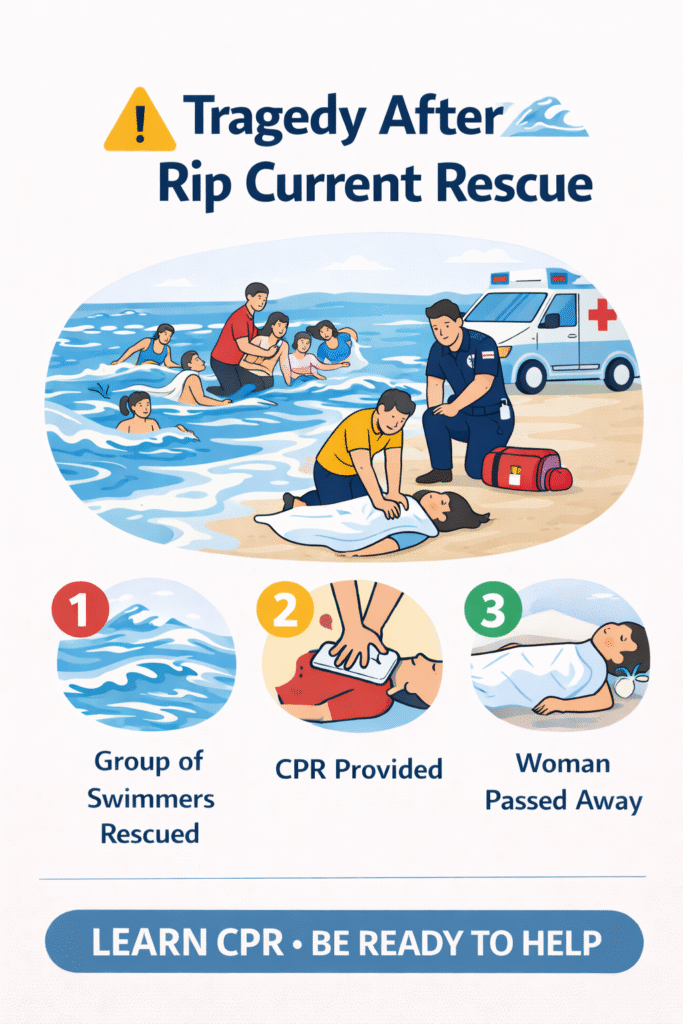
Rip currents are powerful, fast-moving channels of water that flow away from the shoreline. These currents can quickly pull swimmers away from shallow water and into deeper areas, creating dangerous situations even for experienced swimmers. Across Canada, including coastal regions of British Columbia and Vancouver Island, beach safety education often highlights the risks associated with
Rip Current Safety and CPR Awareness at Beaches Read More »
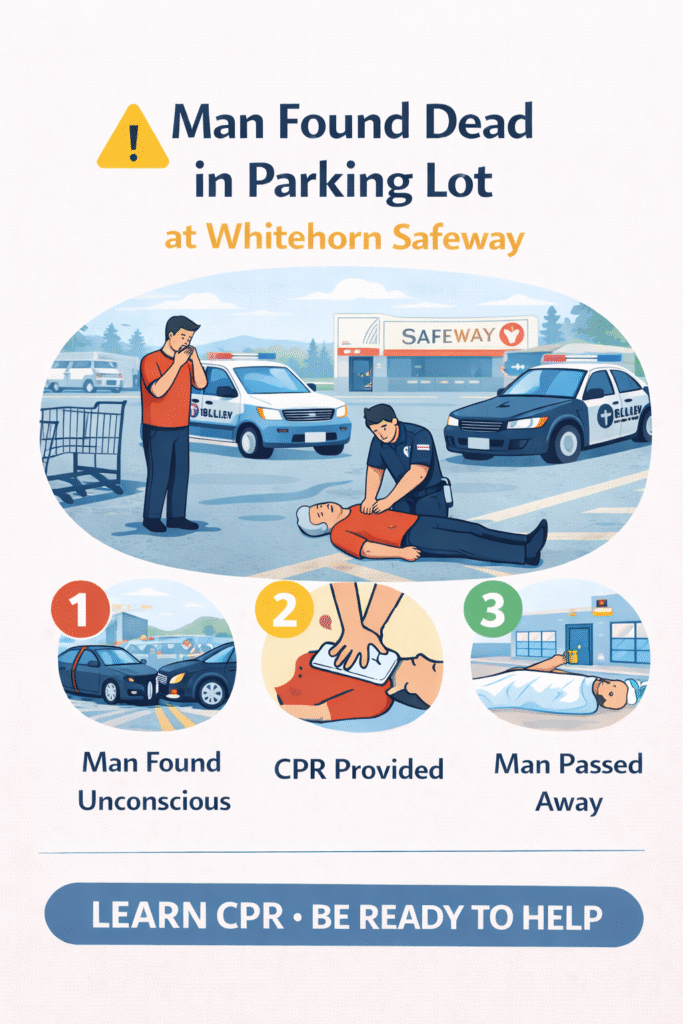
Medical emergencies can occur anywhere, including shopping centres, parking lots, workplaces, and other public spaces. When a person becomes unresponsive or shows signs of severe injury, immediate assistance from bystanders or emergency responders may help stabilize the situation until paramedics arrive. Cardiopulmonary resuscitation (CPR) and basic first aid are commonly taught in training programs across
First Aid and CPR in Public Emergencies: Responding to Medical Distress in Public Spaces Read More »
Infants are especially vulnerable during medical emergencies because their bodies are smaller and more sensitive to trauma. When an infant becomes unresponsive or stops breathing normally, immediate emergency response and cardiopulmonary resuscitation (CPR) may be attempted while waiting for professional medical help. Across Canada, including Vancouver and British Columbia, many first aid and CPR training
Infant CPR Awareness and Parking Lot Safety in Public Venues Read More »
House fires can create dangerous conditions very quickly. Smoke inhalation, burns, and lack of oxygen can cause a person to lose consciousness or stop breathing normally. In these situations, emergency responders may begin cardiopulmonary resuscitation (CPR) after removing a person from the hazardous environment. Across Vancouver and British Columbia, first aid and CPR training are
House Fire Emergency Response and CPR Awareness Read More »
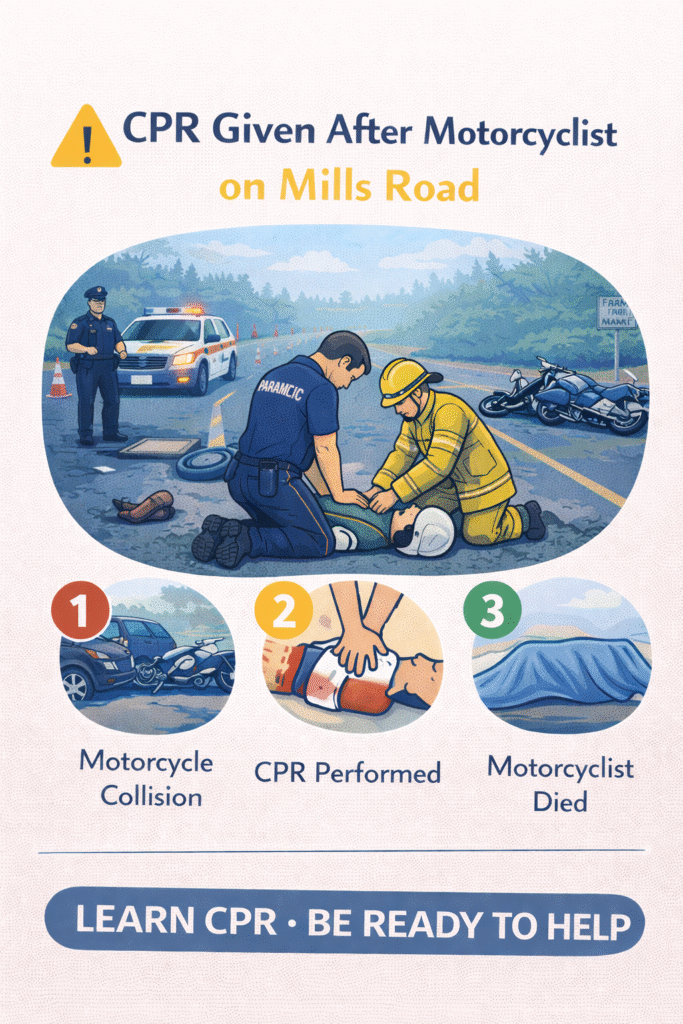
Serious road collisions can lead to life-threatening injuries that require an immediate emergency response. In some cases, a person involved in a crash may become unresponsive or stop breathing normally, leading first responders to begin cardiopulmonary resuscitation (CPR) while advanced care is arranged. Across Vancouver and British Columbia, CPR and first aid training are widely
Motorcyclist involved in crash on Mills Road given CPR Read More »
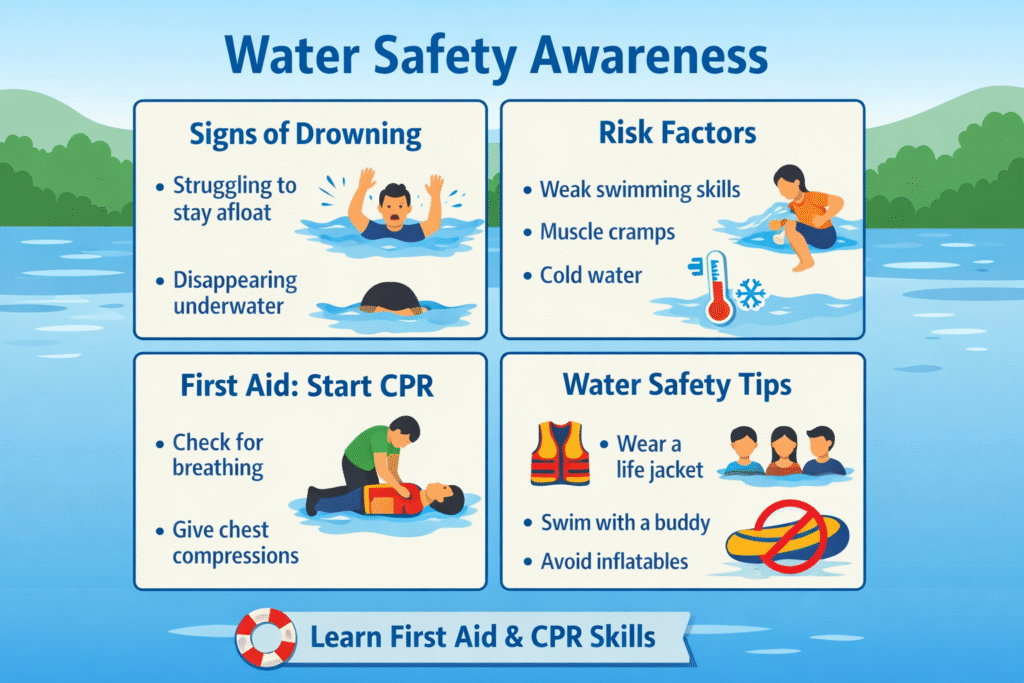
Spending time at lakes and natural swimming areas is a popular summer activity across British Columbia, including well-known locations around Victoria and the Vancouver region. While these areas offer recreation and relaxation, they can also present hidden water safety risks. Drowning incidents often occur quickly and quietly, particularly when swimmers overestimate their abilities or encounter
Understanding Water Safety and Drowning Risks at Lakes in British Columbia Read More »
Serving the Vancouver Lower Mainland with the lowest priced, highest quality safety, CPR, food safe and first aid training since 2010.